



アクセス
ンゴロンゴロはアルーシャから車で半日ほどで、通常はマニャラ湖とカラトゥを経由します。北部の国立公園とセレンゲティをつなぐ、自然な中継地点です。

地球で最も注目すべき野生動物の保護区のひとつで、「アフリカのエデンの園」とも呼ばれます。国立公園ではなく保全地域で、野生動物と地元のマサイが共存しています。
ンゴロンゴロは、世界最大の完全な形の火山カルデラを中心にした保全地域で、底の面積は約260平方キロメートル、周囲を約600メートルの壁が囲んでいます。ユネスコ世界遺産です。
国立公園とは異なり、この地域は野生動物とマサイとその牛が共有しています。クレーターの縁は標高約2,300メートルにあり、夜は涼しくなります。
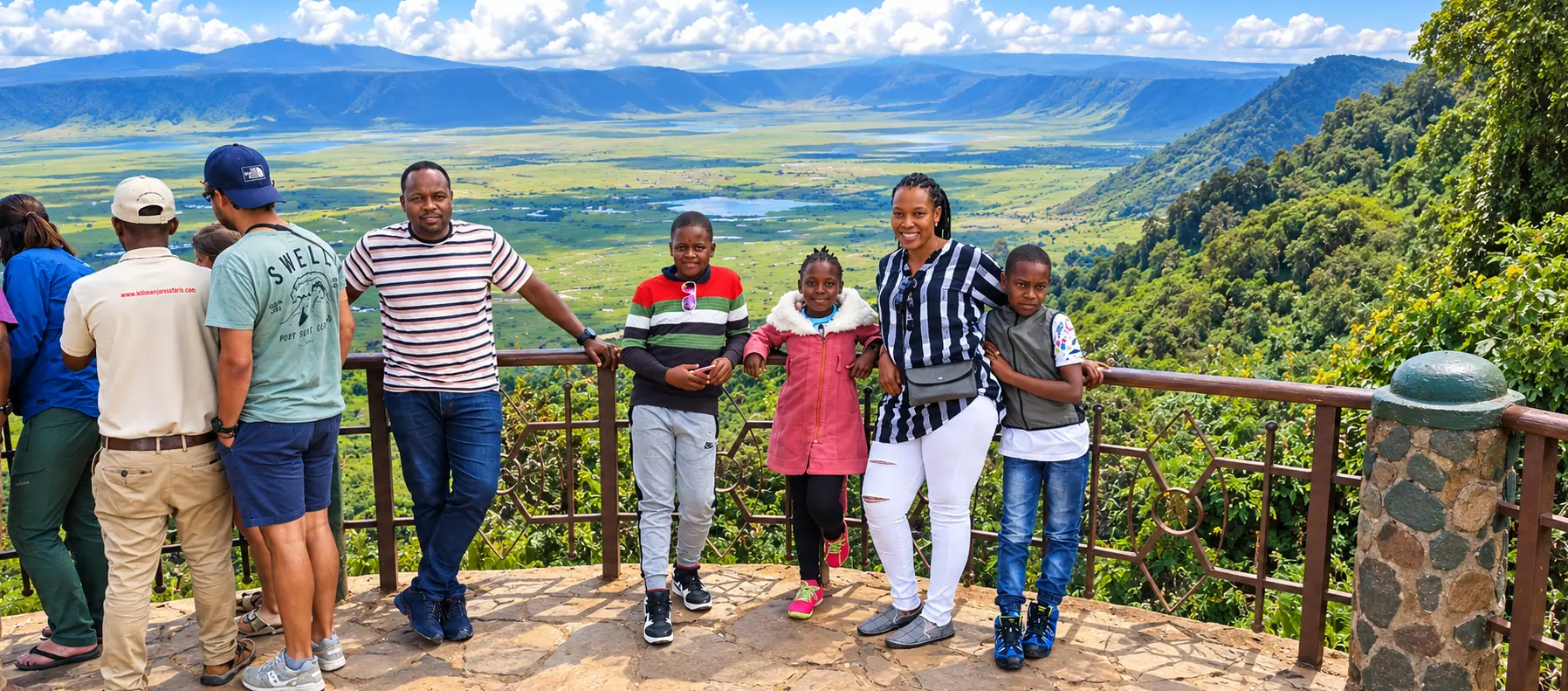
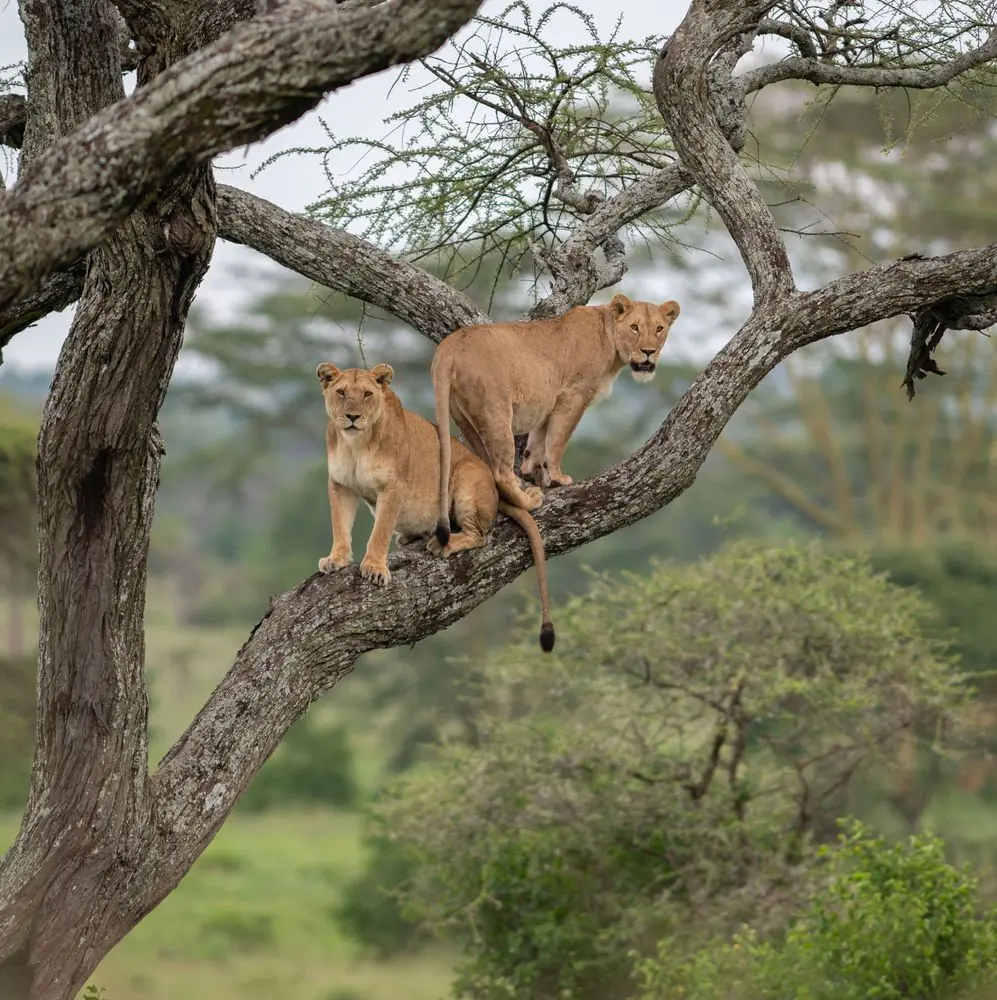
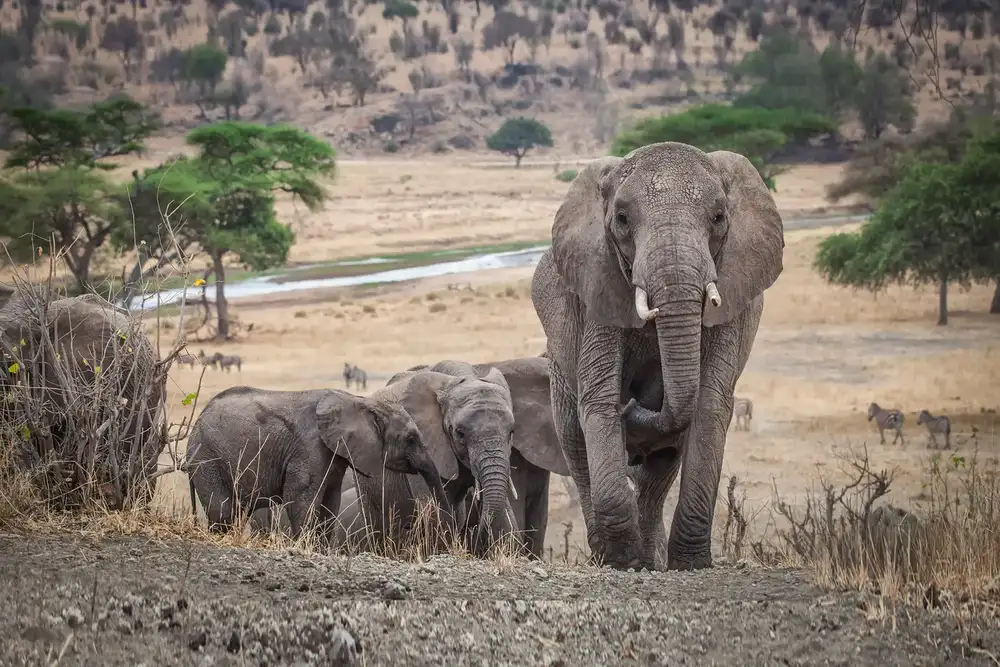
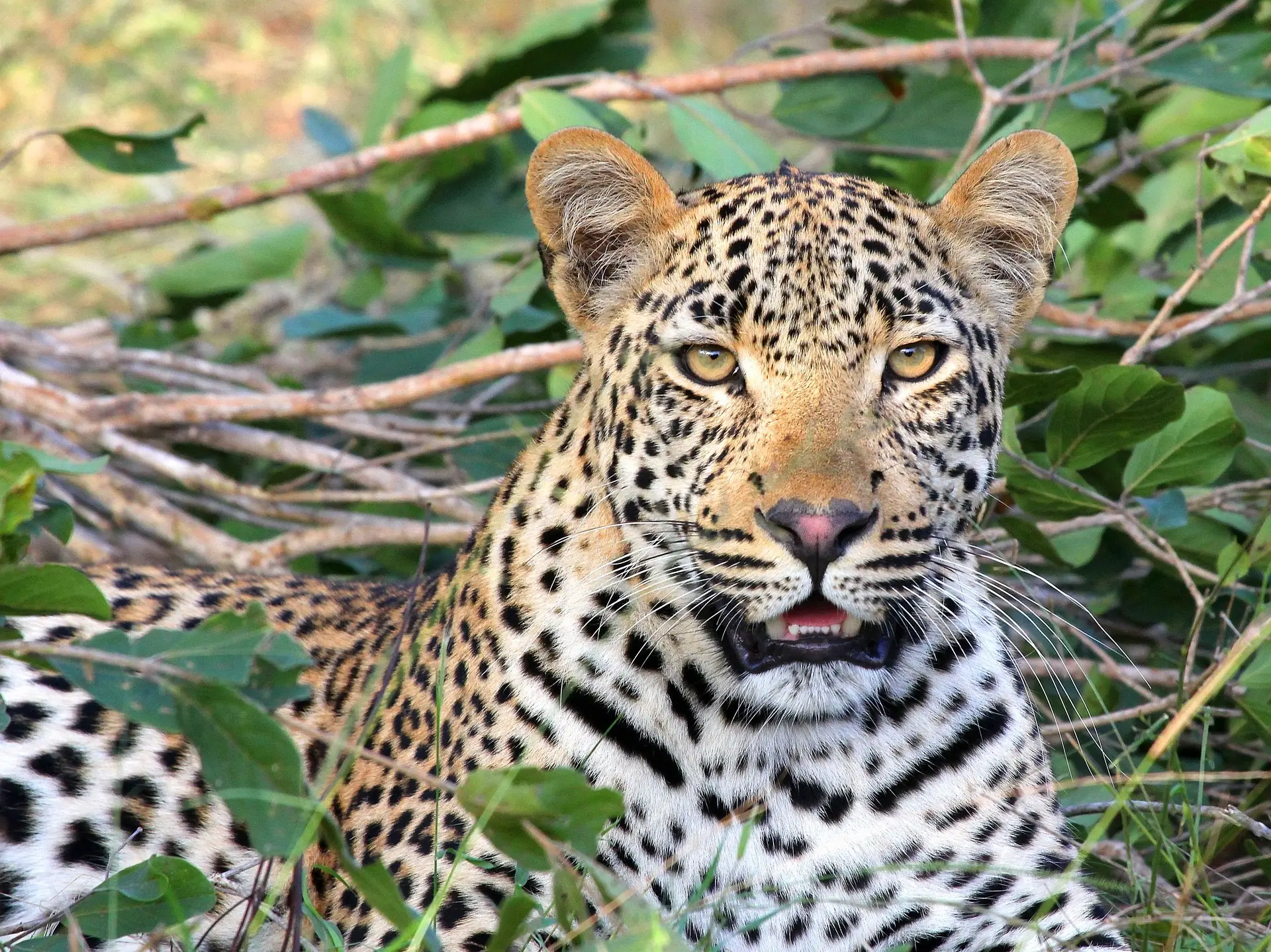
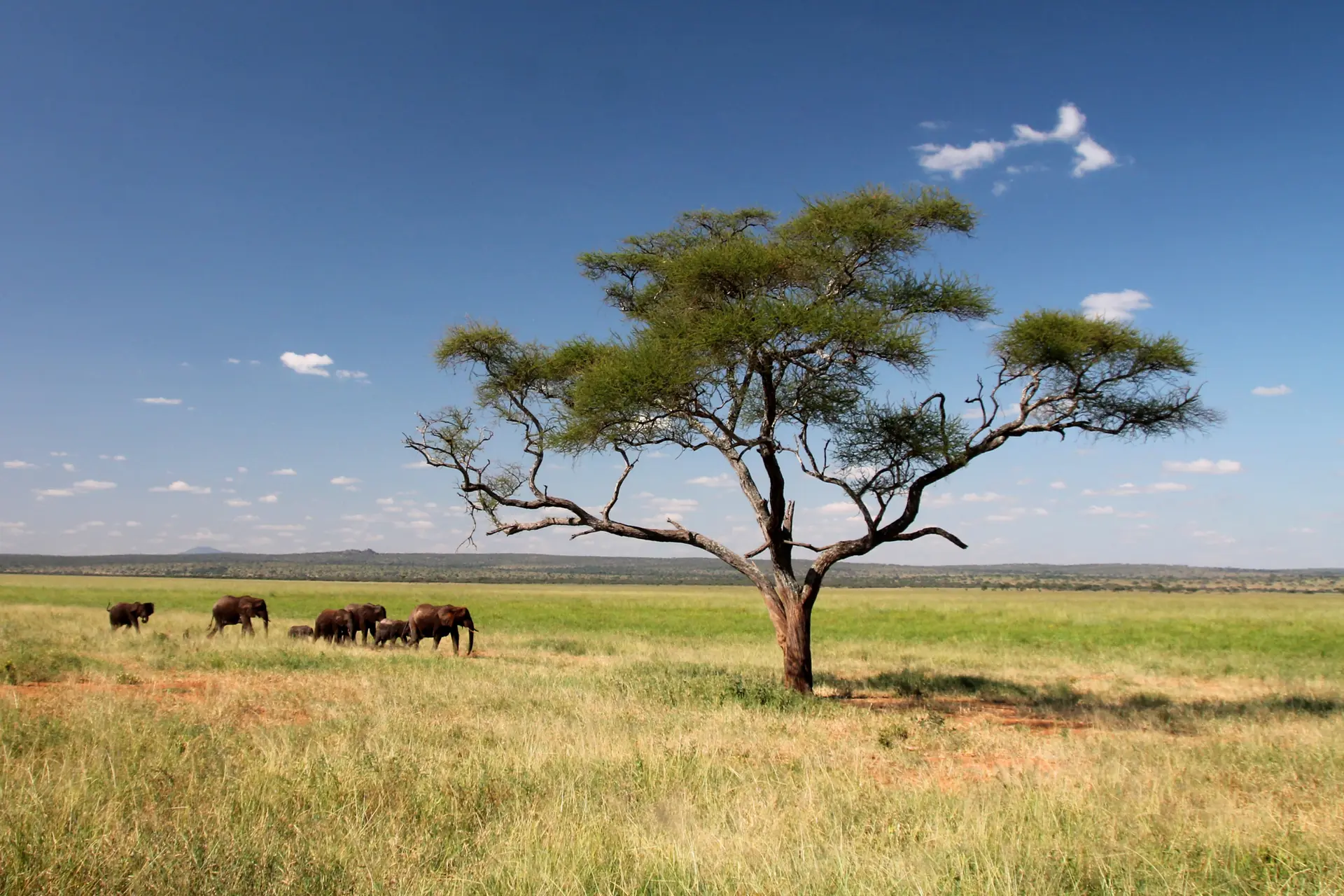
クレーターの底には、小さな範囲に密度の高い野生動物が集まっています。ライオン、ブチハイエナ、ゾウ、バッファロー、カバ、ヌー、シマウマ、マガディ湖のフラミンゴ、そしてタンザニアでクロサイに出会える最高のチャンスのひとつです。クレーターの中にキリンは生息していません。
クレーターは一年を通して訪れられます。6月から10月の乾季は、道や眺めが最もはっきりしています。雨の多い月は、緑が濃く、静かです。縁の朝は、一年のどの時期でも霧が出て寒いことがあります。
ロッジはクレーターの縁に建ち、カルデラを望めます。より手頃な選択肢は、近くのカラトゥにあります。多くの旅程には、縁の近くでの1泊が含まれます。
ンゴロンゴロはアルーシャから車で半日ほどで、通常はマニャラ湖とカラトゥを経由します。北部の国立公園とセレンゲティをつなぐ、自然な中継地点です。
縁での1泊が最低限です。2泊すれば、ゆったりしたペースでクレーターをもう一度見られます。
宿泊: ロッジとテント式キャンプ
料金はお問い合わせください
旅程を見る宿泊: ロッジとテント式キャンプ
料金はお問い合わせください
旅程を見る宿泊: ロッジとテント式キャンプ
料金はお問い合わせください
旅程を見る車両がクレーターの底に滞在できる時間は1日あたり限られているため、多くの方は早朝に下り、昼食のあとに上がってきます。
縁では寒いです。早朝と夜に着られる暖かい服を持参してください。
ご希望をお聞かせください。率直なアドバイスとオーダーメイドのお見積りをご返信します。
このページは英語のみでご覧いただけます。
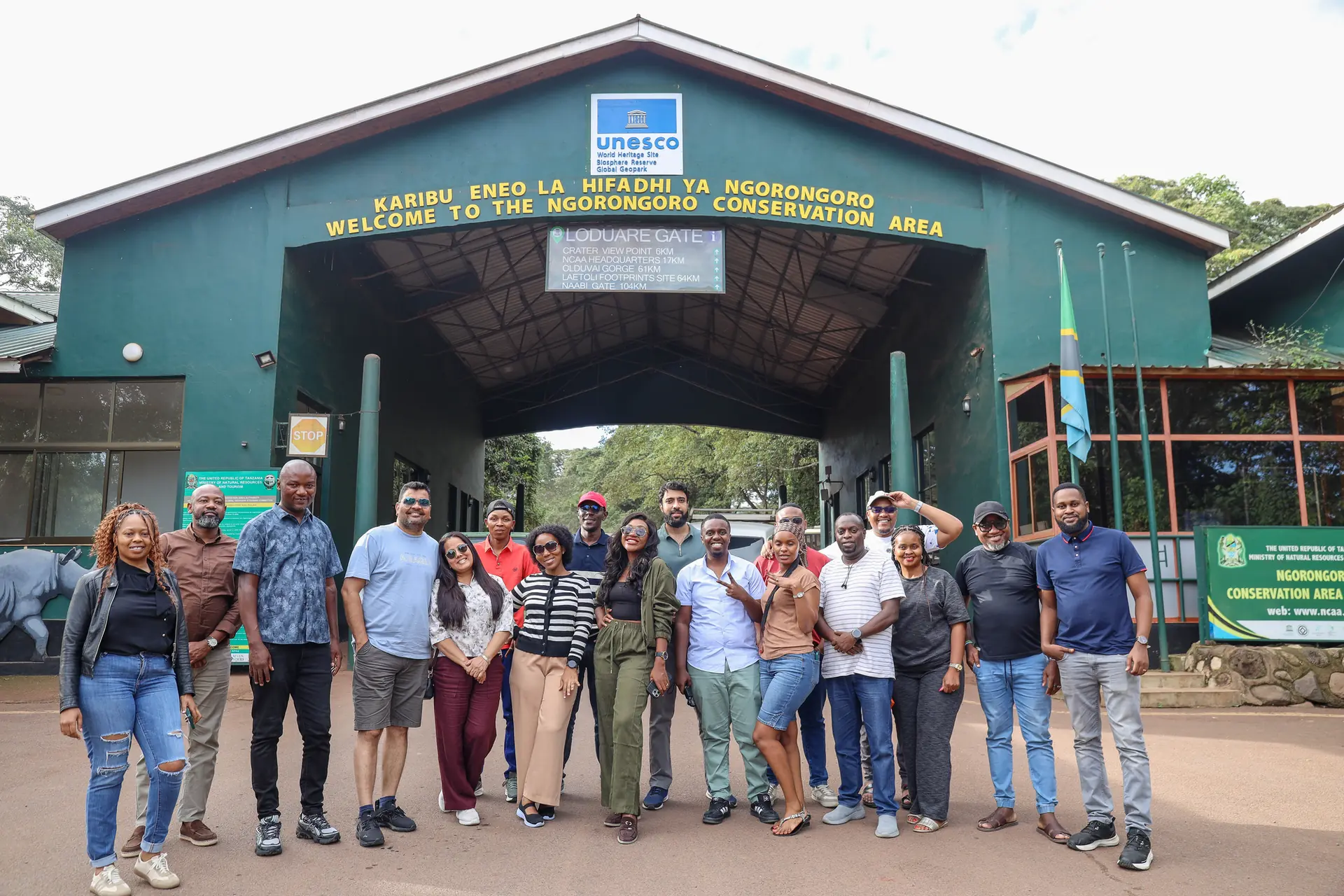
The Ngorongoro Conservation Area is a protected area and a World Heritage Site located 180 km (110 mi) west of Arusha in the Crater Highlands area of Tanzania. The area is named after Ngorongoro Crater, a large volcanic caldera within the area. The conservation area is administered by the Ngorongoro Conservation Area Authority, an arm of the Tanzanian government, and its boundaries follow the boundary of the Ngorongoro Division of the Arusha Region.
The Ngorongoro Conservation Area covers 8,292 square kilometers. It is one of the three divisions that comprise the Ngorongoro District in the Arusha Region. NCA was established in 1959 by the NCA Ordinance No 413 of 1959 as multiple land-use areas, designated to promote the conservation of natural resources, safeguard the interests of NCA indigenous residents and promote tourism. NCA is a unique protected area in the whole of Africa where the conservation of natural resources is integrated with human development
The Ngorongoro Crater is one of Africa’s most famous sites and is said to have the highest density of wildlife in Africa. Sometimes described as an ‘eighth wonder of the world’, the Crater has achieved world renown, attracting an ever-increasing number of visitors each year. You are unlikely to escape other vehicles here, but you are guaranteed great wildlife viewing in a genuinely mind-blowing environment. There is nowhere else in Africa quite like Ngorongoro!
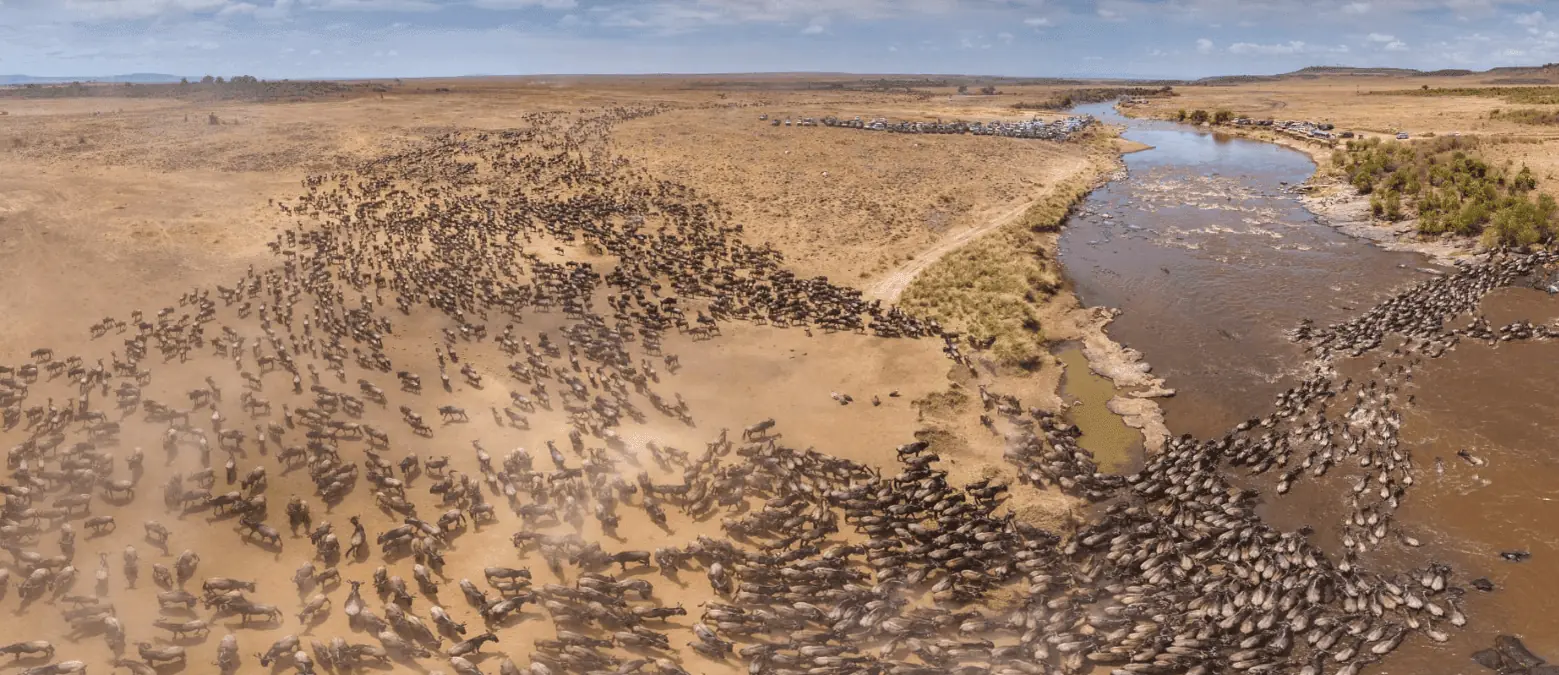
The main feature of the NCA includes the Ngorongoro Crater, The Serengeti Plains that support about 2.0 million migratory wildlife species of the Serengeti Mara-ecosystem (TAWIRI, 2003) and the catchment forest; the Northern Highland Forest Reserve (NHFR) known as ‘Entim Olturot’ in Maa language. Other important features found in the NCA are the archaeological and palaeontological site located at Oldupai Gorge and the early human footprints that were discovered at Alaitole in the Ngarusi area. Because of these particular features and the harmonious co-existence between wildlife and people that has existed for many years, NCA was accorded the status of a World Heritage Site and listed as one of the International Biosphere Reserve by the UNESCO’s Man and Biosphere Reserve Programme.
Frequently called the eighth wonder of the world, Ngorongoro Crater is the biggest unbroken caldera on the planet, and is one of the main places in Africa you can see each individual from the “enormous five” (rhinoceros, lion, cheetah, panther, and elephant) on a solitary diversion drive. One of a kind to Ngorongoro, indigenous tribes are allowed to live in the protection region and neighborhood Maasai touch their domesticated animals on the whole floor in agreement with close-by groups of bison and wildebeest. Strolling is allowed in Ngorongoro Conservation Area however not on the Crater floor.
Ngorongoro crater is one of world’s well-known wildlife–viewing areas and also one of the largest calderas. Within its walls (610 meters deep and an area of 260 sq. kilometers) is a variety of animals and vegetation, including grasslands, swamps, forests, salt pans, fresh water lake and abundant birdlife. Among the animals to be seen there are lions, elephants, buffaloes, black rhino, wildebeests, zebras, gazelles, reedbucks and a fleet of flamingos wading in the shallow-soda “Lake Magadi”. Of remarkable interest, visitors will have a chance to see local Maasai tribe sharing the crater with wildlife as they graze their cattle. Clients spending a day in the Crater (accessible only by 4-wheel-drive vehicles) enjoy tremendous wildlife viewing at close range.
There are no accommodations in the Crater, but several outstanding lodges on the Crater rim offer spectacular overviews and are fine staging locations for game drives into the Crater. Campsites on the eastern slope of the Crater wall also allow superb access to the wildlife. We often place our luxury camps in these locations as bases for clients spending one or more days exploring the Crater floor.
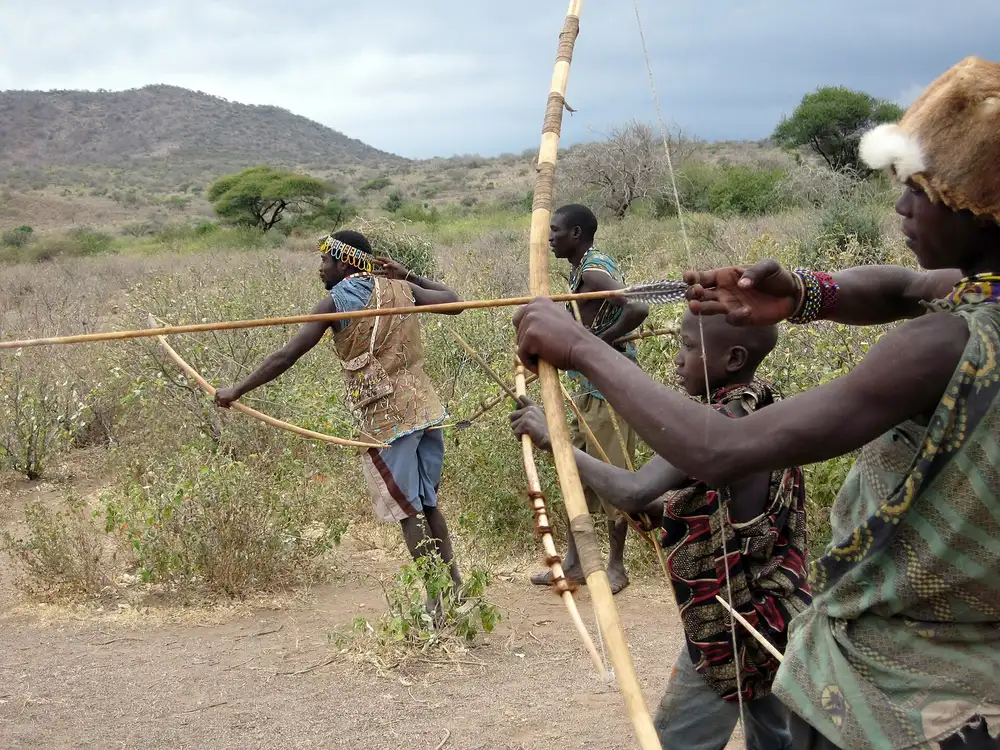
With the Crater as its centerpiece, the surrounding Ngorongoro Conservation Area is a stunning multiple-use region almost as large as the Serengeti. Forested mountains, rugged highlands, smaller volcanic craters, and expansive plains feature spectacular vistas and game viewing, and almost no other tourists. Unlike the national parks, the conservation area is still home to Maasai people who maintain their traditional pastoral lifestyle in harmony with wildlife. Cool temperatures, opportunities to become acquainted with the Maasai, and fantastic hiking make this area ideal for our walking safaris.
Ngorongoro Crater is located in Northern Tanzania, Arusha Region, Ngorongoro district and it is six kilometers wide with nearly half of its floor is occupied by lake, and its slopes covered by a thick forest.
The crater offers a spectacular scenery from every point along the rim; from the northern and eastern side you can look out to the dramatic volcano of Oldonyo Lengai, the Great Rift Valley and Lake Natron; from the south and west you can see across the Bulbul depression.
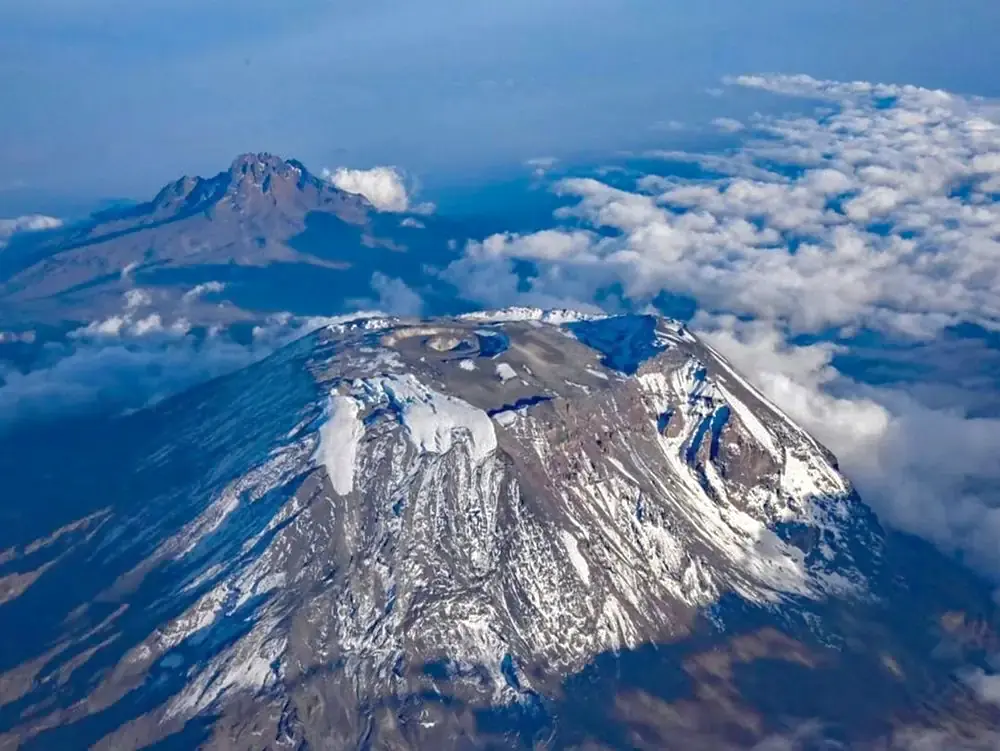
Sometimes you can even see the distant snows of Mount Kilimanjaro far to the northeast. You will definitely enjoy camping on the rim as the view of Lengai and the Rift Valley makes for great photos taking. Camping and hiking into the crater are done with an armed ranger (armed against buffalo). The drive here passes through numerous Maasai villages and small herds of gazelle, wildebeest and dark-toned zebra in a setting. On the way to Empakaai is another seldom visited crater called Olmoti. A notch in it’s rim creates a spectacular waterfall for the Munge river, which pours through on its way to Ngorongoro Crater. There is a very pleasant hike from the Nainokanoka ranger post through the forest up to the top of the waterfall.