

アクセス
アルーシャから陸路では丸1日かかり、途中でタランギレ、マニャラ湖、ンゴロンゴロと組み合わせるのが一般的です。空路のほうが速く、定期便とチャーター便が公園内各地の滑走路に着陸するため、時間が限られた方に向いています。
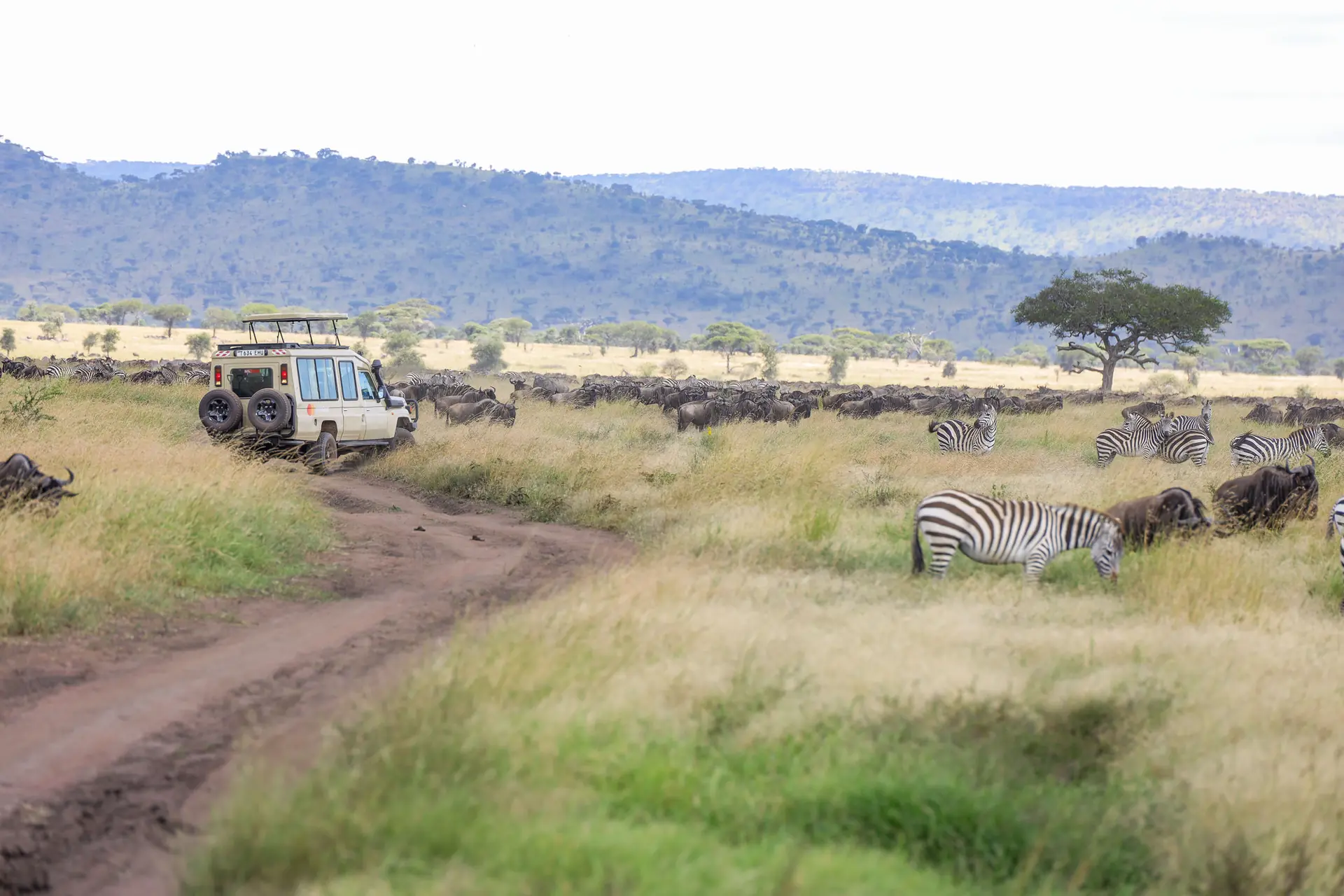
広大なサバンナと世界的に有名な大移動。セレンゲティはビッグファイブの生息地で、中央のセロネラ地区はタンザニアで最も野生動物が豊富な場所のひとつです。
セレンゲティは、タンザニアで最も古く、最も有名な国立公園で、開けた平原、コピエ、河畔林、アカシアのサバンナが広がる広大な生態系です。名前は、マサイ語で「果てしない平原」を意味する言葉に由来します。
公園は広く、エリアや季節によってまったく異なるサファリを体験できます。年間を通して動物観察ができる中央のセロネラ、出産の時期の南部とンドゥトゥ、西部回廊、川渡りが見られる北部などです。

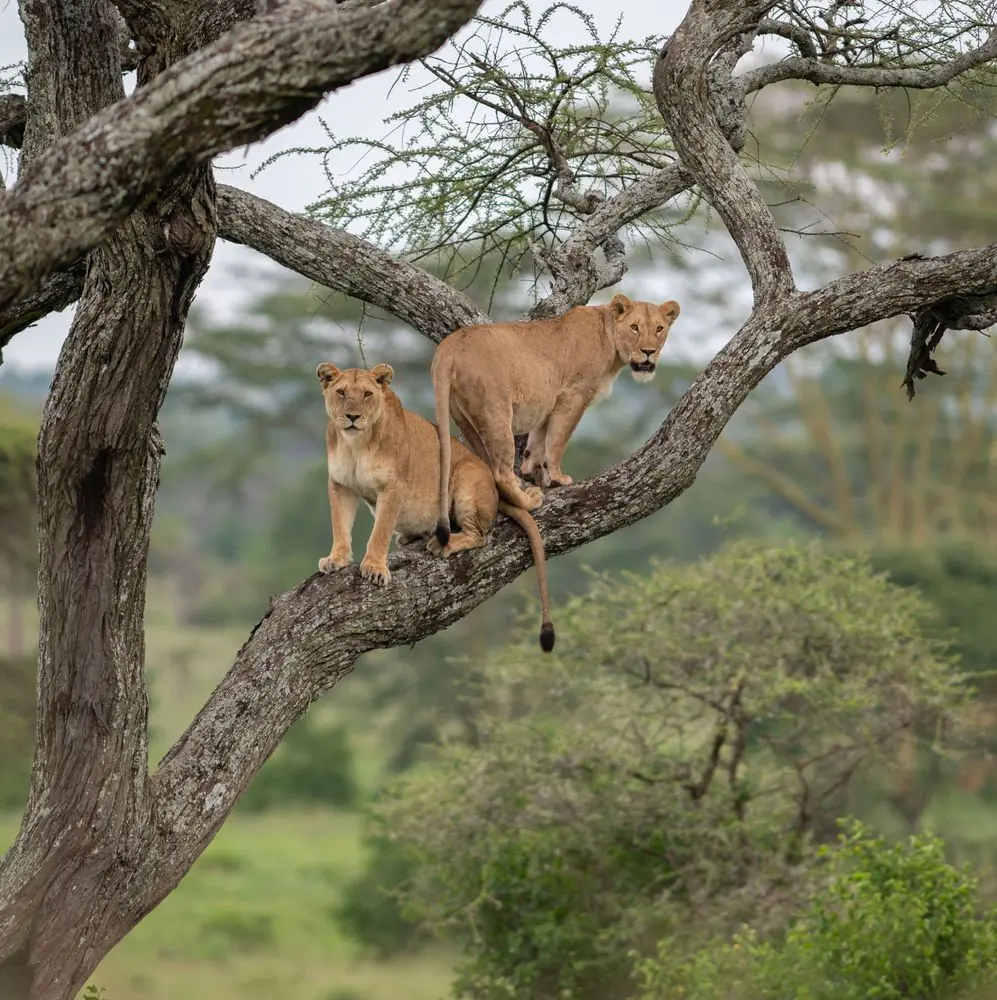
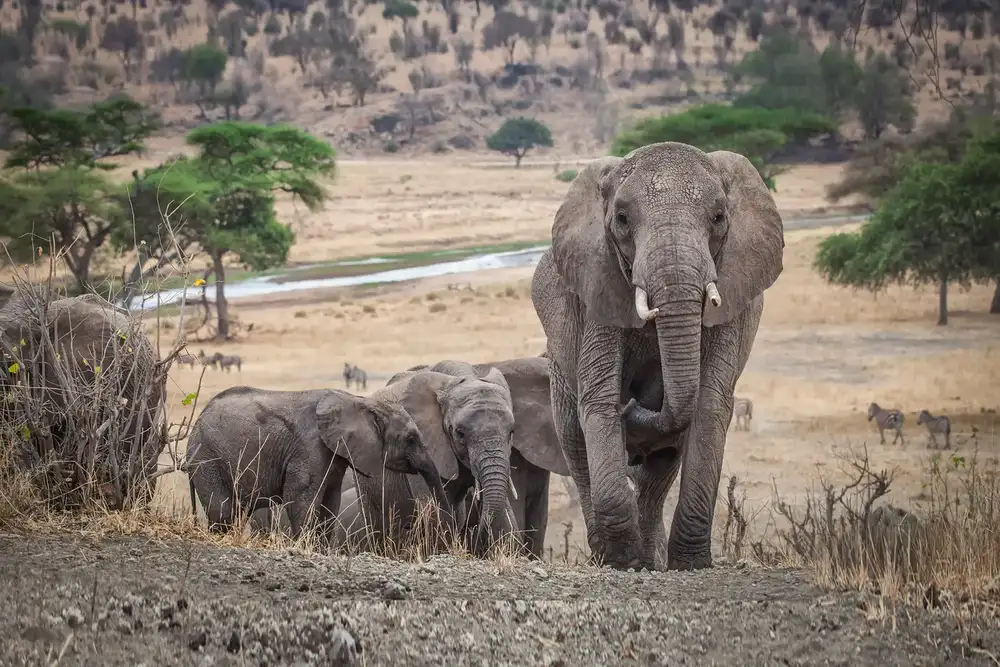
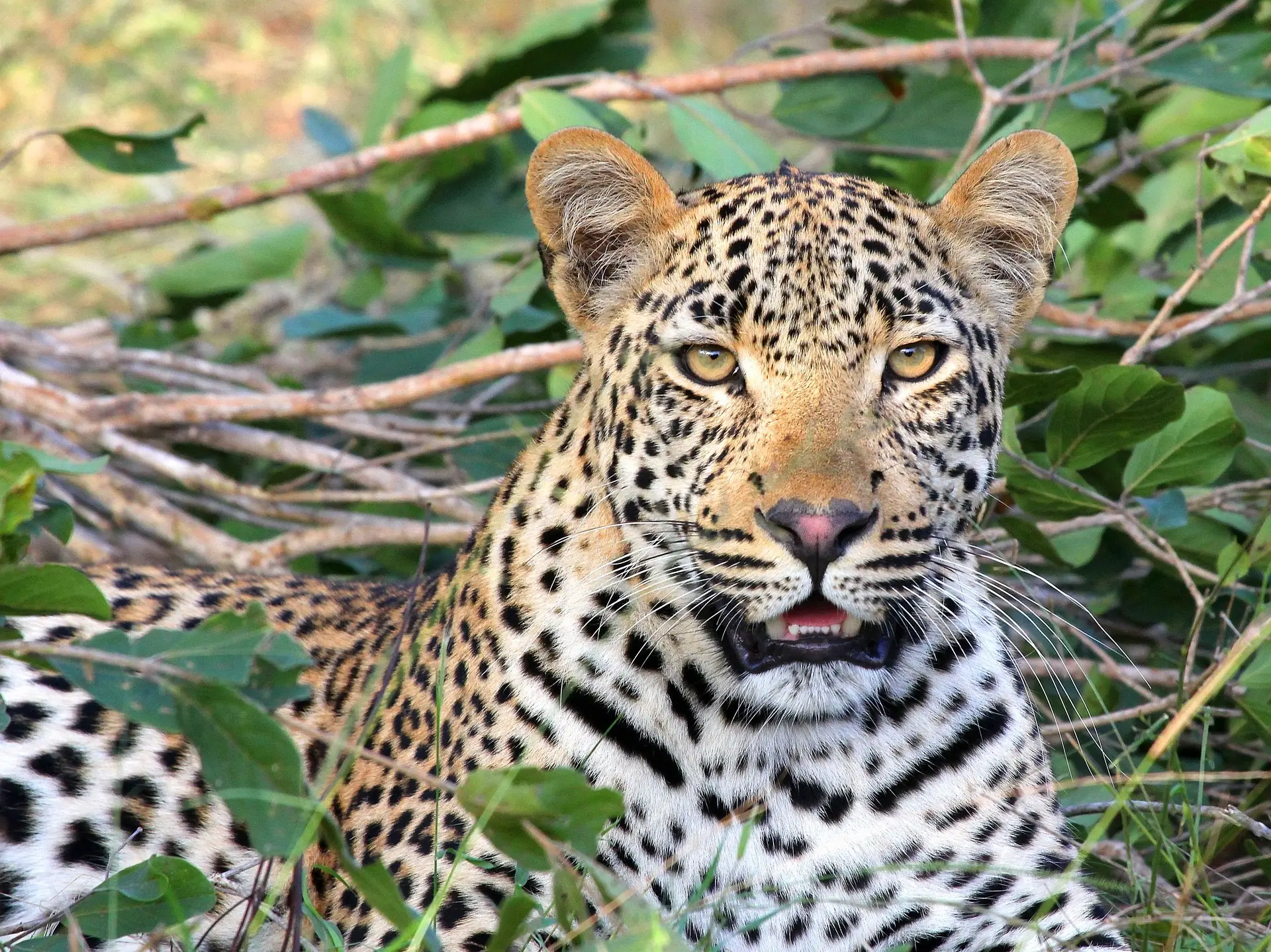
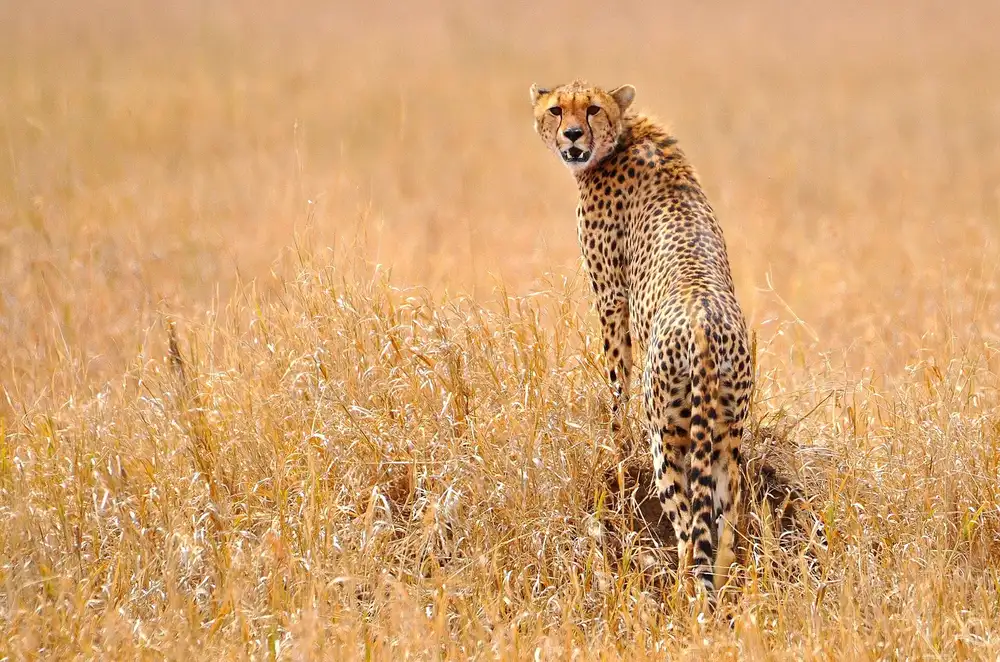
ライオン、ヒョウ、チーター、ゾウ、バッファロー、キリン、カバ、ワニ、シマウマ、ハイエナ、数種のアンテロープが生息し、記録された野鳥は500種以上にのぼります。セロネラ川の谷は、タンザニアで大型ネコ科動物を見られる最高の場所のひとつです。
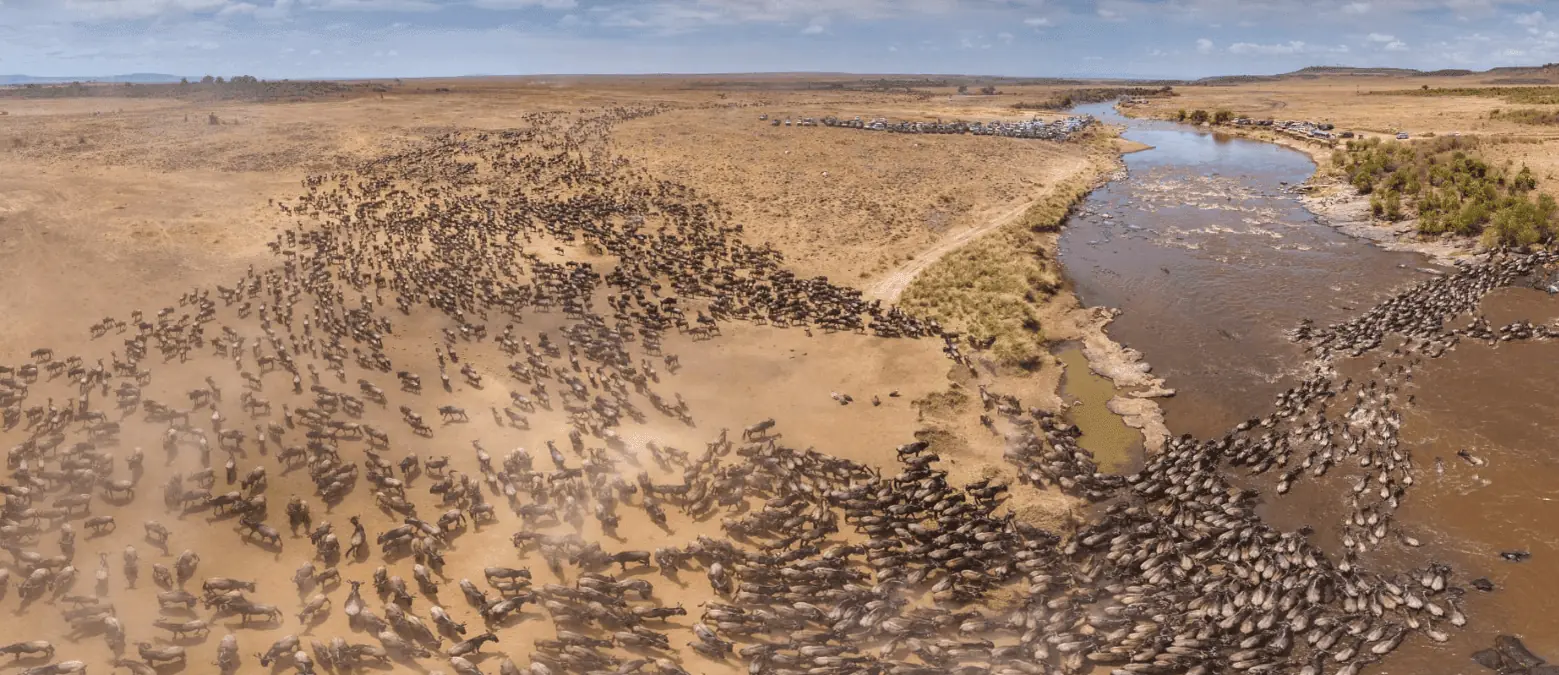
100万頭を超えるヌーが、シマウマやガゼルとともに、雨を追ってセレンゲティとケニアのマサイマラをおおよそ円を描くように移動します。群れがどこにいるかは、時期によって異なります。
出産の時期は通常1月から3月で、ンドゥトゥ周辺の南部の平原で見られます。北部のコガタンデやマラ川周辺の川渡りは、通常7月から10月に見られます。群れは移動するため、見込まれる位置をもとに計画し、旅行日が近づいてから確認します。
ンドゥトゥとセレンゲティ南部の短草平原に群れが集まり、通常1月から3月に子どもが生まれます。
あくまで典型的な動きです。群れは雨を追って移動するため、時期は毎年変わります。 イメージ地図です。ナビゲーションには使用できません。

セレンゲティは一年を通して訪れられます。6月から10月の乾季は、一般的な動物観察に最も適した時期です。1月から3月は南部での出産の時期、7月から10月は北部での川渡りに向いています。4月と5月の大雨季は、景色が緑に染まり、車両が少なく、宿泊料金も安くなります。
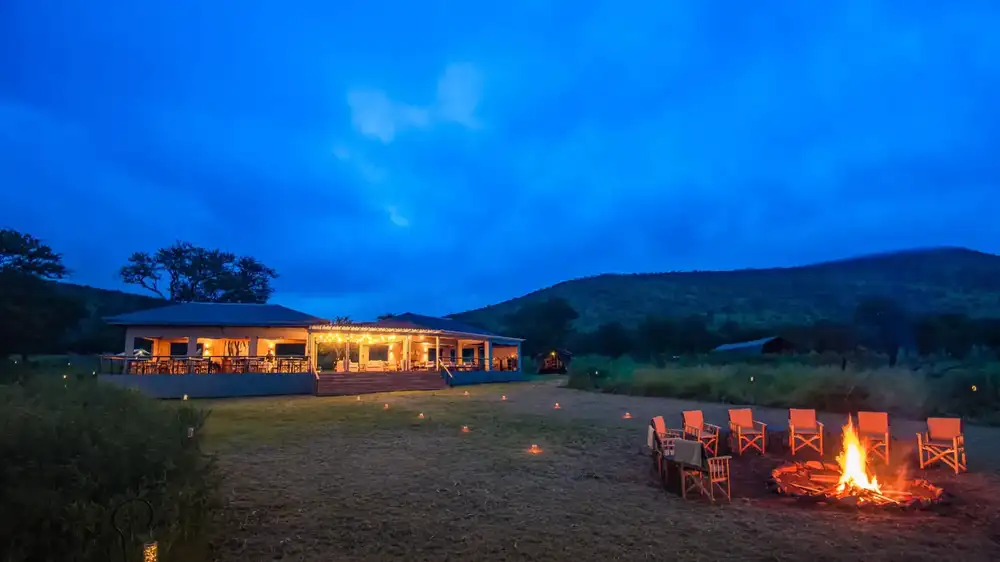
ロッジ、常設のテントキャンプ、移動式キャンプから選べます。群れのいるエリアに滞在すれば長距離の移動を減らせるため、適したキャンプは日程によって変わります。
アルーシャから陸路では丸1日かかり、途中でタランギレ、マニャラ湖、ンゴロンゴロと組み合わせるのが一般的です。空路のほうが速く、定期便とチャーター便が公園内各地の滑走路に着陸するため、時間が限られた方に向いています。
最低3泊。4〜5泊すると、複数のエリアを回れます。
宿泊: ロッジとテント式キャンプ
料金はお問い合わせください
旅程を見る宿泊: ロッジとテント式キャンプ
料金はお問い合わせください
旅程を見る宿泊: ロッジとテント式キャンプ
料金はお問い合わせください
旅程を見るいいえ。群れが一年を通して移動することで、月ごとに異なる見どころがあります。南部での出産、西部回廊、北部での川渡りなどです。
ライオン、ヒョウ、ゾウ、バッファローは、定期的に見られます。クロサイは少なく、通常はンゴロンゴロ・クレーターで見られます。
ご希望をお聞かせください。率直なアドバイスとオーダーメイドのお見積りをご返信します。
このページは英語のみでご覧いただけます。
Serengeti: A Maasai word means that “An endless plain or where the land proceeds onward for eternity”
Serengeti National Park, an incomprehensible and lovely field of 14,763 square kilometers, is maybe the world’s most well-known untamed life asylum. A World Heritage Site and Biosphere Reserve, the Serengeti bolsters the biggest convergence of field diversion on the planet. Notwithstanding viewing the inconceivable parade of practically more than two million wildebeest and zebra that happens every year from early December in the South piece of the Serengeti (Ndutu Area) consistently, many individuals additionally visit the Serengeti to look for enormous felines.
The Safari to Tanzania would be and in fact, it is incomplete without going to the Serengeti National Park . This is one of a kind sanctuary on the planet and one of the World Heritage Sites since 1972. With an area of 14,763 sq. km. the Park has numerous beautiful components: Grassland Savannah fields, wild, kopjes, more than 500 types of winged animals, etc. By the by, the most outstanding element is its fauna. It contains the best residual grouping of fields game in Africa and on a scale that has no equals on the planet.
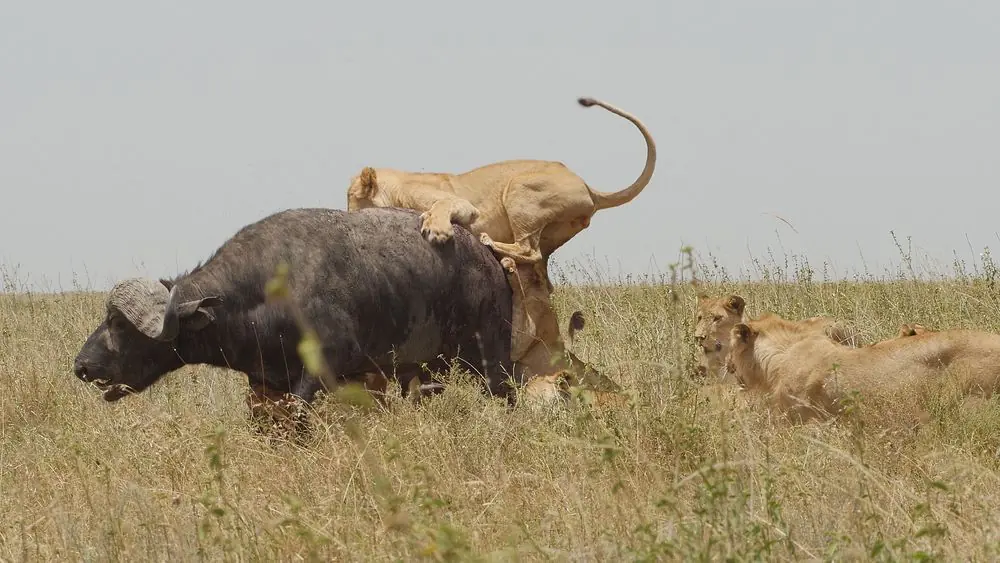
The park is the second largest park after Ruaha National Park and obviously the best park in Tanzania and East Africa . Extensive crowds of wild ox, gatherings of elephants and giraffes, and numerous countable quantities of topi, eland, impala, kongoni, give’s gazelle are accessible for seeing whenever of the year. The three major felines (Lions. Panthers and Cheetahs can likewise be seen. As normal lions are frequently discovered murdering something, if not an impala, it is a wildebeest or a zebra, and so forth. Cheetahs are extremely normal on the southeastern fields, while panthers can regularly be discovered resting lethargically in one of the vast trees close to Seronera River.
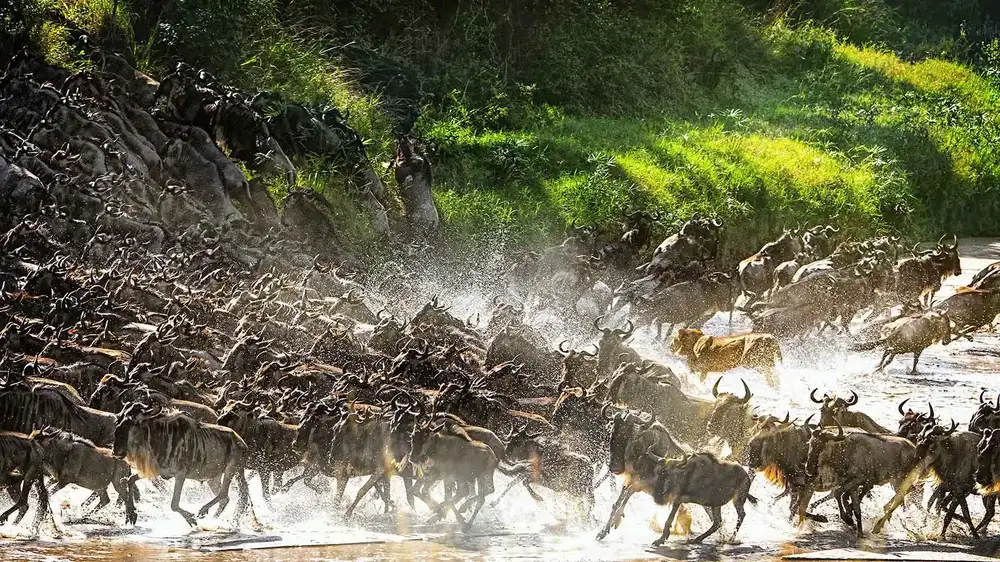
The Serengeti National Park is notable for its yearly wildebeest movement when more than 2 million wildebeest joined by around 500,000 Thomson gazelles and around 200,000 zebras cross the Mara River yearning for new waters and fields.

The best option to get there is to fly into Kilimanjaro International Airport (JRO) which is situated about 50km from Arusha. It is also possible to fly into Julius Nyerere International Airport (DAR), just outside of Dar es Salaam, and use a domestic flight to get to Arusha Airport (ARK). You can also opt to fly to Nairobi in Kenya at Jomo Kenyatta International Airport, NBO Wilson Airport, or Moi Air Base and take a shuttle transfer to Arusha about 300KM
From Arusha by road or scheduled flight to Serengeti.
Game review, Cultural visits, picnicking and outdoors, shrubbery lunch/supper, expand safaris,
The recreation center offers great natural life seeing consistently. June to October is the greatest month for seeing the movement including Mara River Crossing and February is the greatest month for the wildebeest calving. The dry season begins in June and ends in January every year and these months are best for broad game review.
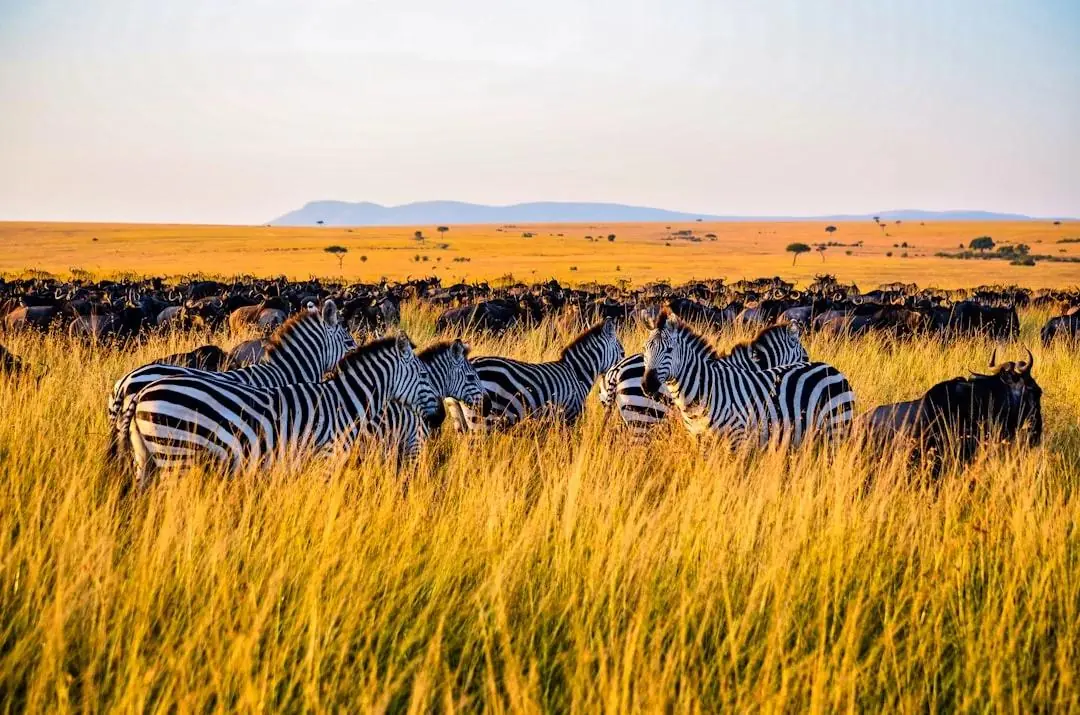
Serengeti National Park is undoubtedly the best-known wildlife sanctuary in the world, unequalled for its natural beauty and scientific value, it has the greatest concentration of plains game in Africa
Serengeti Wildebeests Migration Map
The Serengeti National Park in Tanzania was established in 1952. It is home to the greatest wildlife spectacle on earth – the great migration of wildebeest and zebra. The resident population of lion, cheetah, elephant, giraffe, and birds is also impressive. There’s a wide variety of accommodation available, from luxury lodges to mobile camps. The park covers 5,700 sq miles, (14,763 sq km), it’s larger than Connecticut, with at most a couple hundred vehicles driving around.
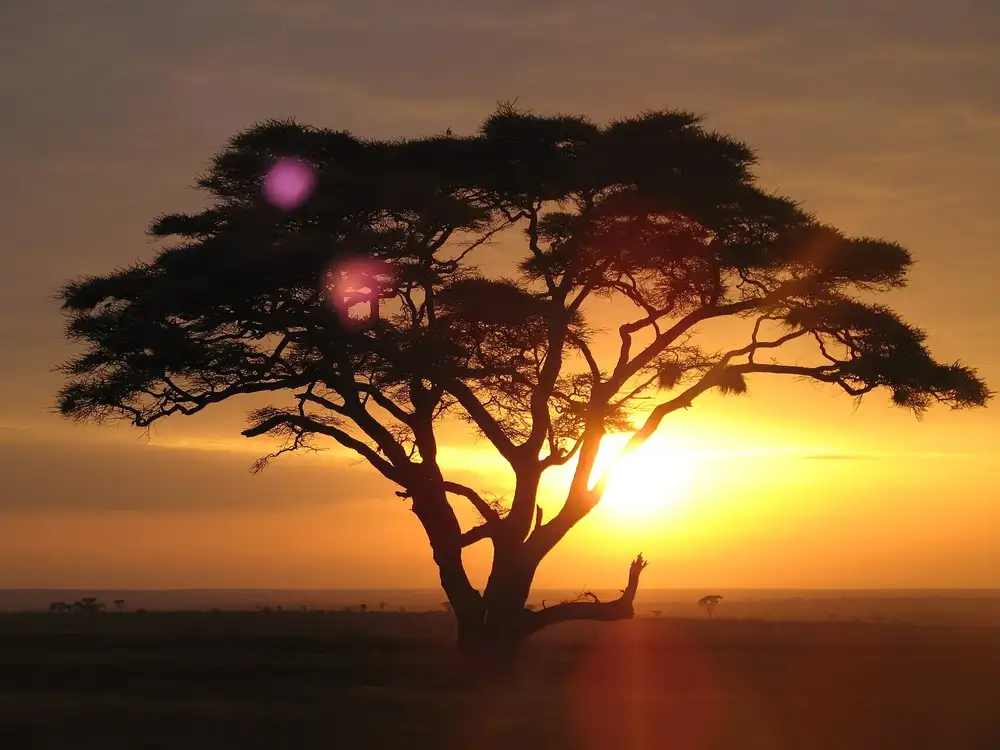
The Park can be divided into 3 sections. The popular southern/central part (Seronera Valley), is what the Maasai called the “serengit”, the land of endless plains. It’s classic savannah, dotted with acacias and filled with wildlife. The western corridor is marked by the Grumeti River, and has more forests and dense bush. The north, Lobo area, meets up with Kenya’s Masai Mara Reserve, is the least visited section.
Two World Heritage Sites and two Biosphere Reserves have been established within the 30,000 km² region. It’s unique ecosystem has inspired writers from Ernest Hemingway to Peter Mattheissen, filmakers like Hugo von Lawick and Alan Root as well as numerous photographers and scientists
The Serengeti ecosystem is one of the oldest on earth. The essential features of climate, vegetation and fauna have barely changed in the past million years. Early man himself made an appearance in Olduvai Gorge about two million years ago. Some patterns of life, death, adaptation and migration are as old as the hills themselves.
It is the migration for which Serengeti is perhaps most famous. Over a million wildebeest and about 200,000 zebras flow south from the northern hills to the southern plains for the short rains every October and November, and then swirl west and north after the long rains in April, May and June. So strong is the ancient instinct to move that no drought, gorge or crocodile infested river can hold them back.
The Wildebeest travel through a variety of parks, reserves and protected areas and through a variety of habitat. Join us to explore the different forms of vegetation and landscapes of the Serengeti ecosystem and meet some of their most fascinating inhabitants.