


가는 방법
공원은 아루샤에서 도로로 약 2~3시간 거리이며, 응고롱고로와 세렝게티로 가는 길에 있습니다.
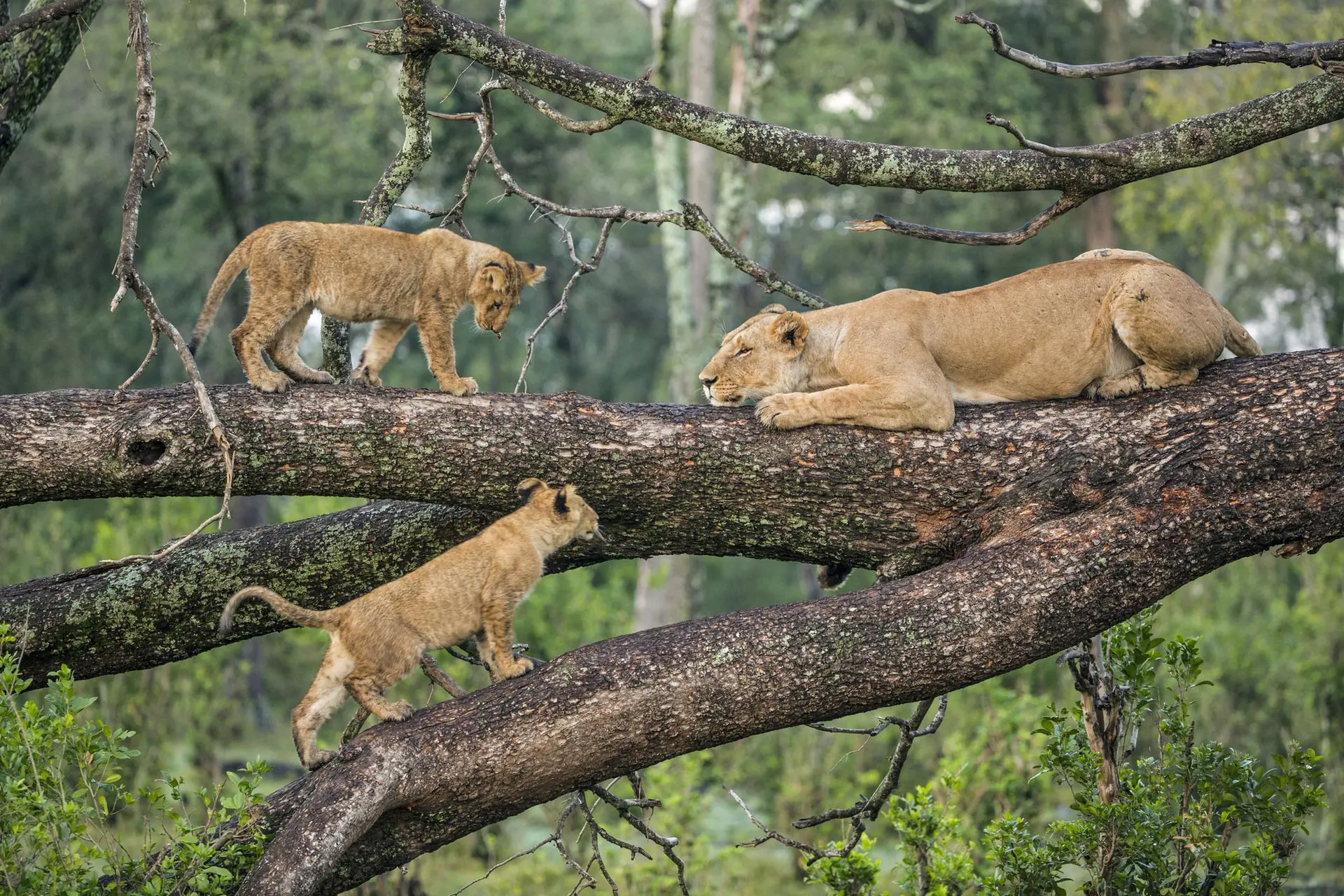
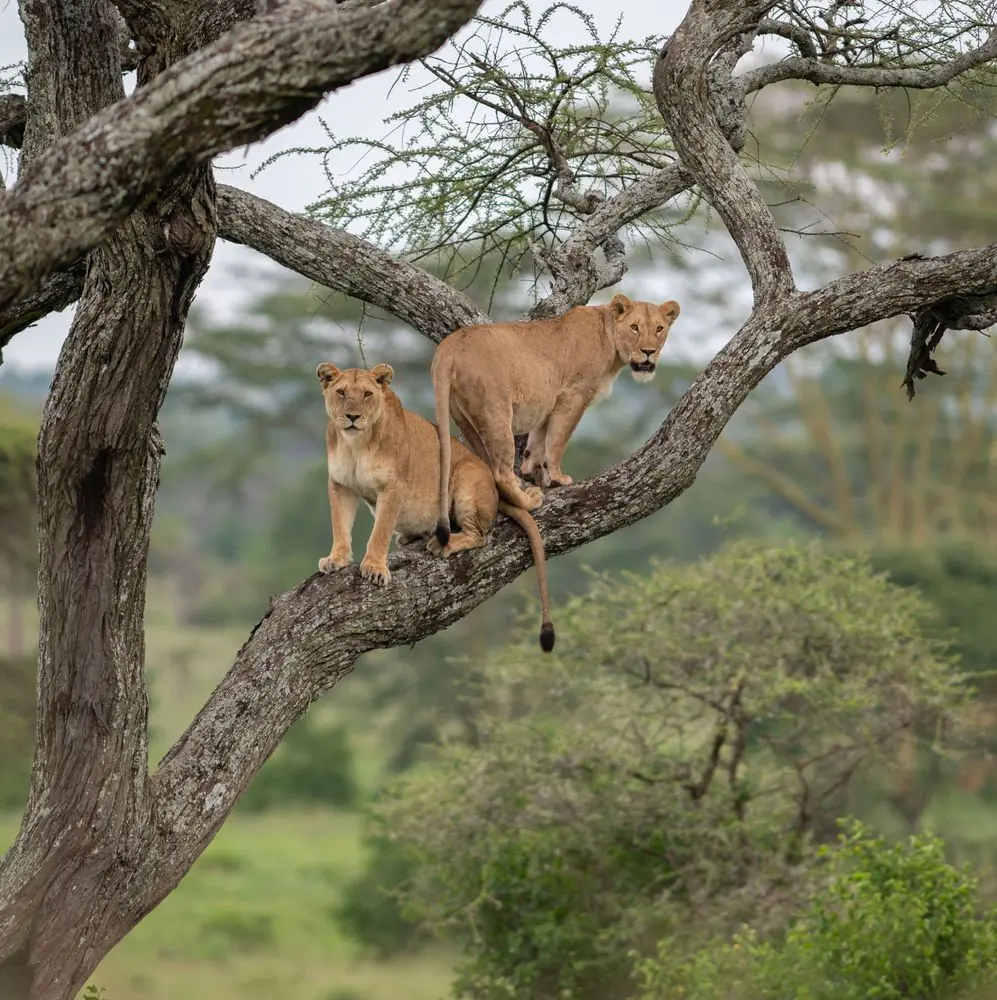
나무 타는 사자와 분홍 홍학으로 유명하며, 지하수림, 바오바브 절벽, 기록된 400종 이상의 조류가 있습니다.
마니아라 호수 국립공원은 대지구대 단애와 얕은 소다호 사이에 끼어 있는 아담한 공원입니다. 몇 시간 안에 지하수림, 탁 트인 초원, 아카시아 숲, 호숫가를 차례로 지나게 됩니다.
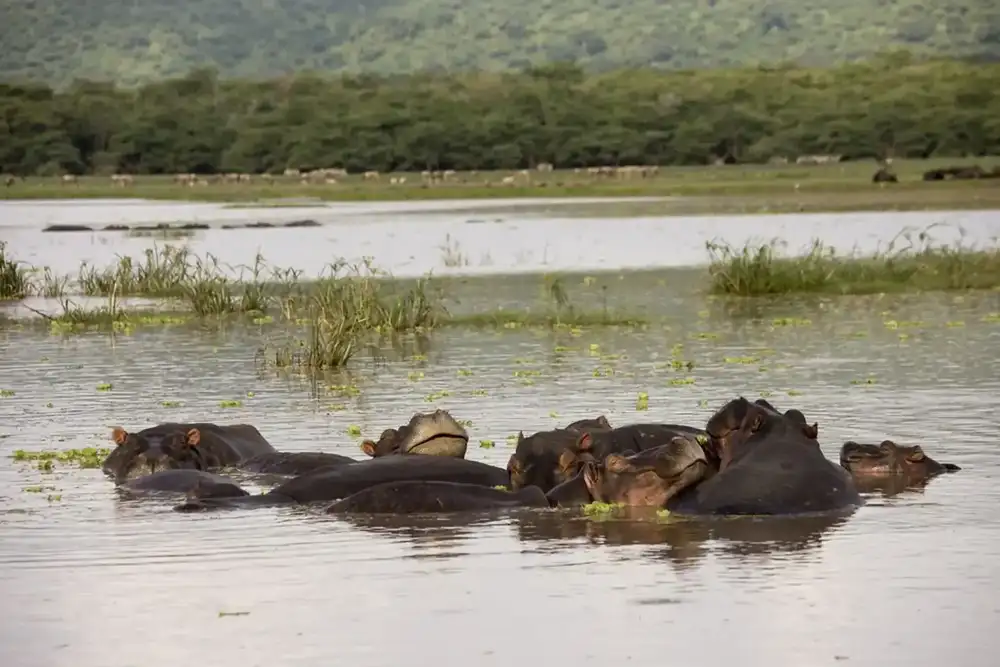
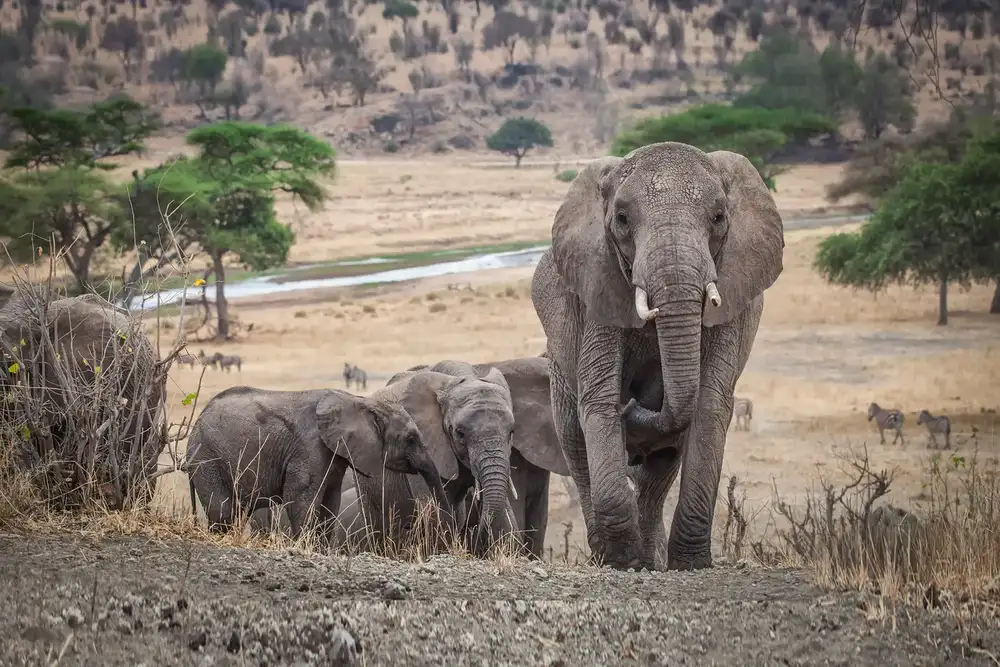
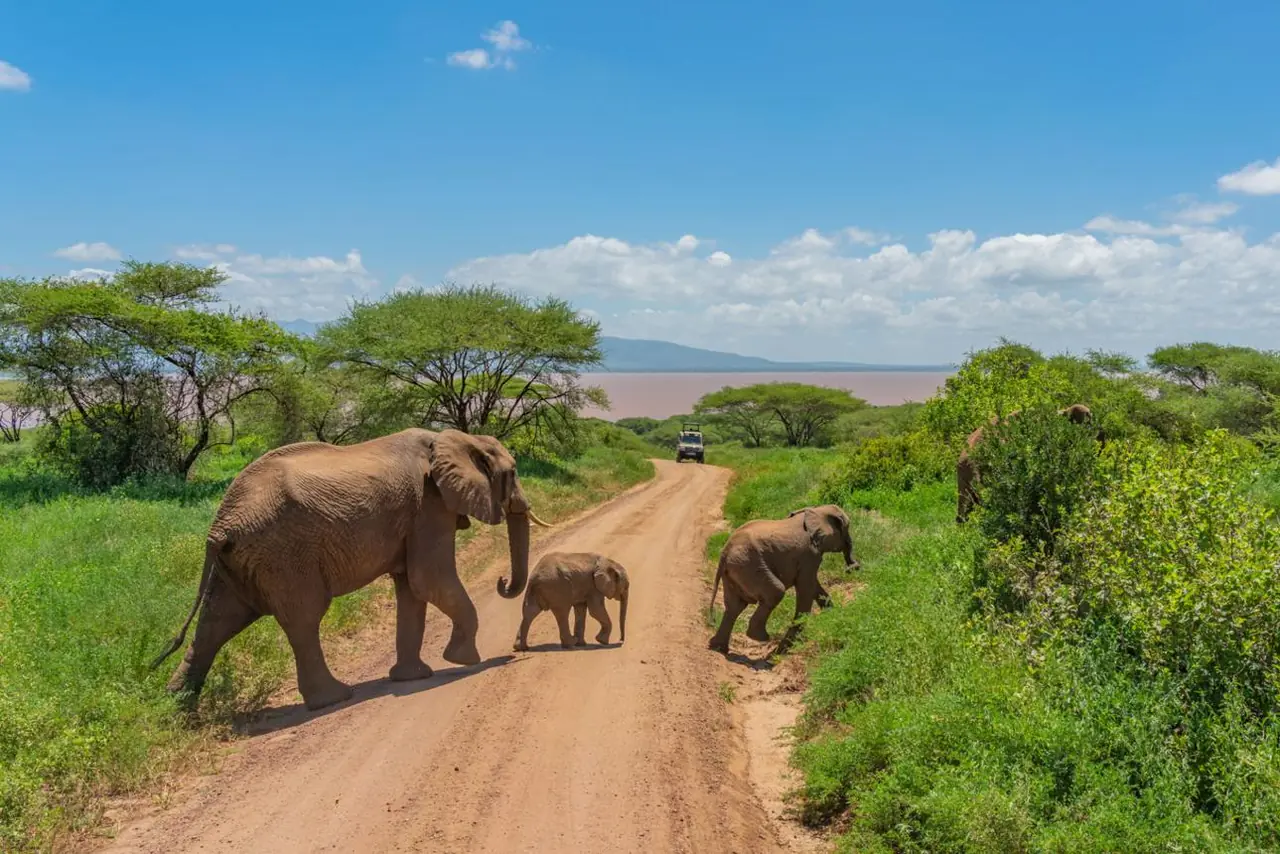
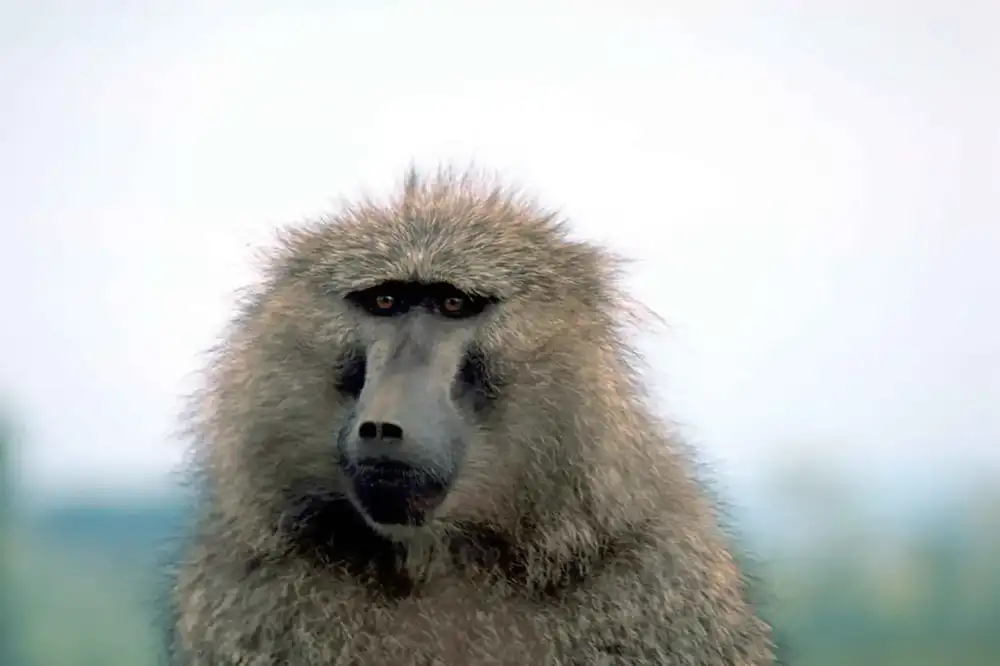
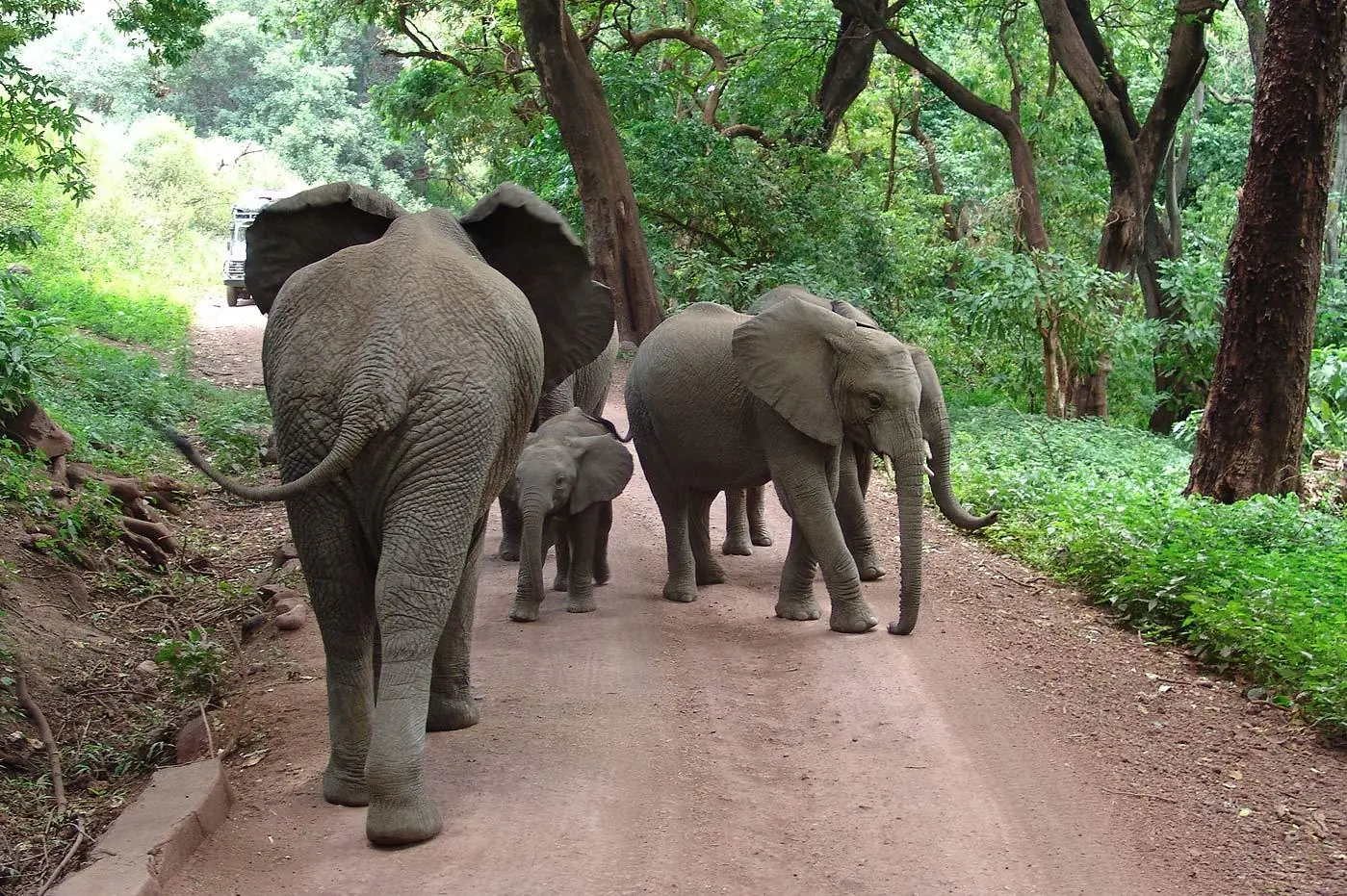
공원은 나무에 오르는 사자, 큰 개코원숭이 무리, 하마, 코끼리, 기린, 그리고 시즌에는 플라밍고와 다른 물새로 유명합니다. 기록된 조류는 400종이 넘습니다.
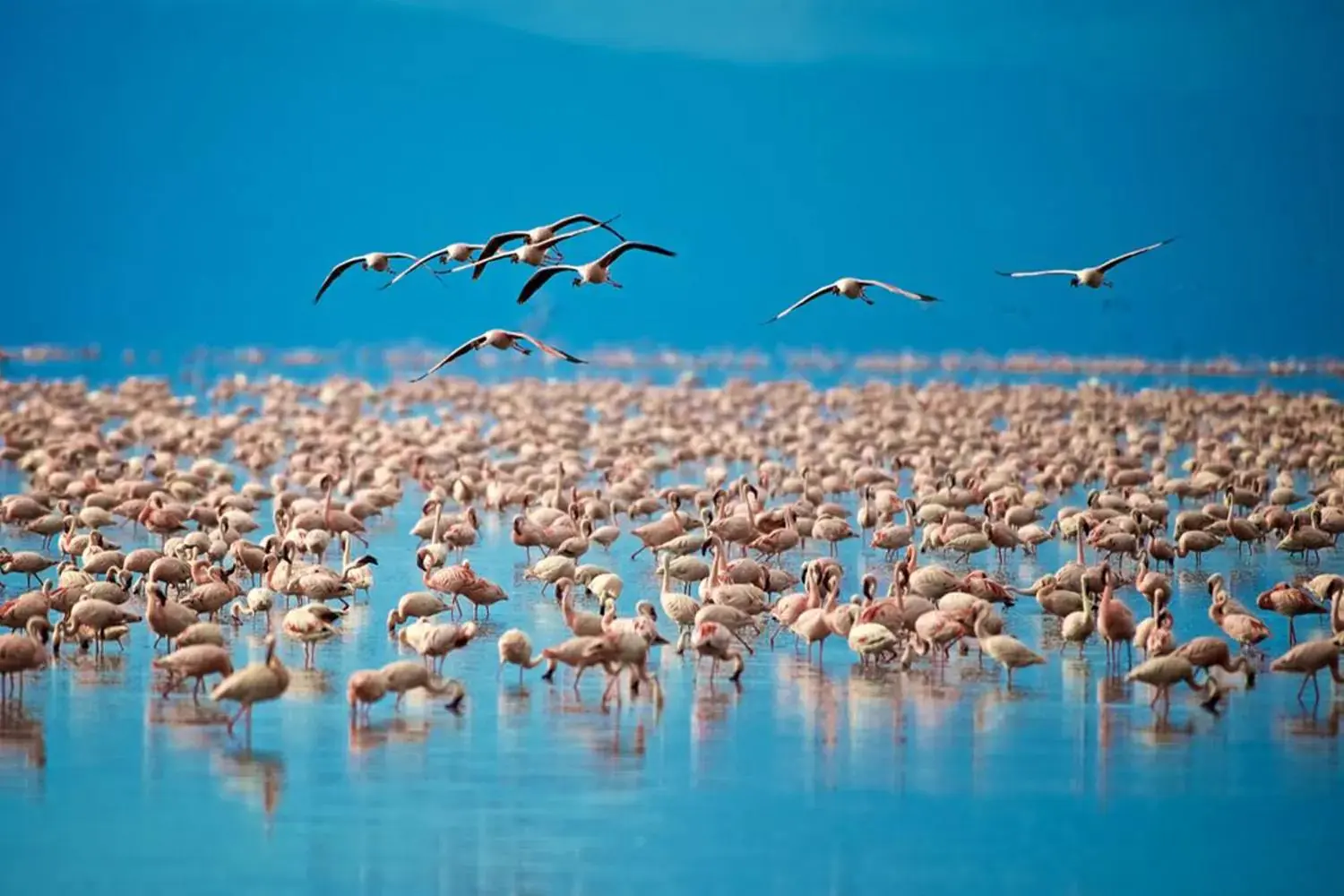
공원은 일 년 내내 방문할 수 있습니다. 6월부터 10월의 건기는 동물 관찰에 가장 좋고, 11월부터 5월의 우기는 조류와 플라밍고 관찰에 좋습니다.
공원은 아루샤에서 도로로 약 2~3시간 거리이며, 응고롱고로와 세렝게티로 가는 길에 있습니다.
반나절에서 1박, 보통 타랑기레나 응고롱고로와 함께 일정을 구성합니다.
아니요. 이곳 사자의 지역적인 습성이라 기대할 수는 없지만, 이 공원이 특별한 이유 중 하나입니다. 가이드가 찾아 드립니다.
생각하시는 것을 알려 주시면 솔직한 조언과 맞춤 견적으로 답변드리겠습니다.
이 내용은 영어로만 제공됩니다.
Lake Manyara National Park is Located Northern Tanzania. (126 km/80 miles) west of Arusha along a newly surfaced road, close to the ethnically diverse market town of Mto wa Mbu.
Size: 330 sq km (127 sq miles), of which up to 200 sq km (77 sq miles) is the lake when water levels are high.
Lake Manyara National Park is Located on the way to Ngorongoro Crater and the Serengeti, Its ground water forests, bush plains, baobab strewn cliffs, and algae-streaked hot springs offer incredible ecological variety in a small area, rich in wildlife and incredible numbers of birds.
Lake Manyara’s famous tree-climbing lions are another reason to pay a visit to this park. The only kind of their species in the world, they make the ancient mahogany and elegant acacias their home during the rainy season, and are a well-known but rather rare feature of the northern park. In addition to the lions, the national park is also home to the largest concentration of baboons anywhere in the world — a fact that accounts for interesting game viewing of large families of the primates.
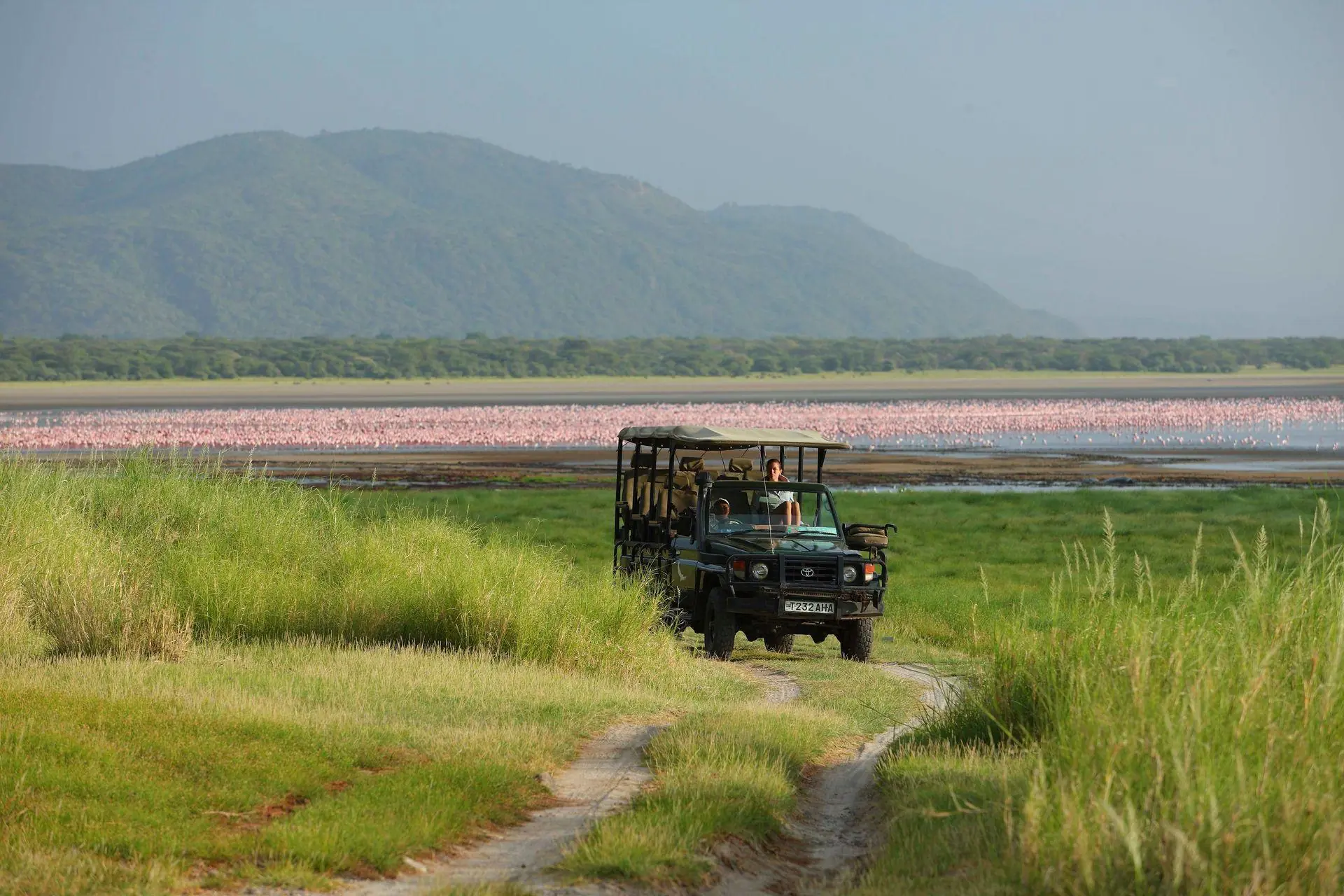
Manyara provides the perfect introduction to Tanzania’s birdlife. More than 400 species have been recorded, and even a first-time visitor to Africa might reasonably expect to observe 100 of these in one day. Highlights include thousands of pink-hued flamingos on their perpetual migration, as well as other large water birds such as pelicans, cormorants and storks.
The alkaline soda of Lake Manyara is home to an incredible array of bird life that thrives on its brackish waters. Pink flamingo stoop and graze by the thousands colorful specks against the grey minerals of the lake shore. Yellow-billed storks swoop and corkscrew on thermal winds rising up from the escarpment, and herons flap their wings against the sun-drenched sky. Even reluctant bird-watchers will find something to watch and marvel at within the national park.
Stretching for 50 km along the base of the rusty-gold 600-metre high Rift Valley escarpment, Lake Manyara is a scenic gem, with a setting extolled by Ernest Hemingway as “the loveliest I had seen in Africa”.
The compact game-viewing circuit through Manyara offers a virtual microcosm of the Tanzanian safari experience.
From the entrance gate, the road winds through an expanse of lush jungle-like groundwater forest where hundred-strong baboon troops lounge nonchalantly along the roadside; the blue monkeys scamper nimbly between the ancient mahogany trees; dainty bushbuck tread warily through the shadows, and the outsized forest hornbills honk cacophonously in the high canopy.
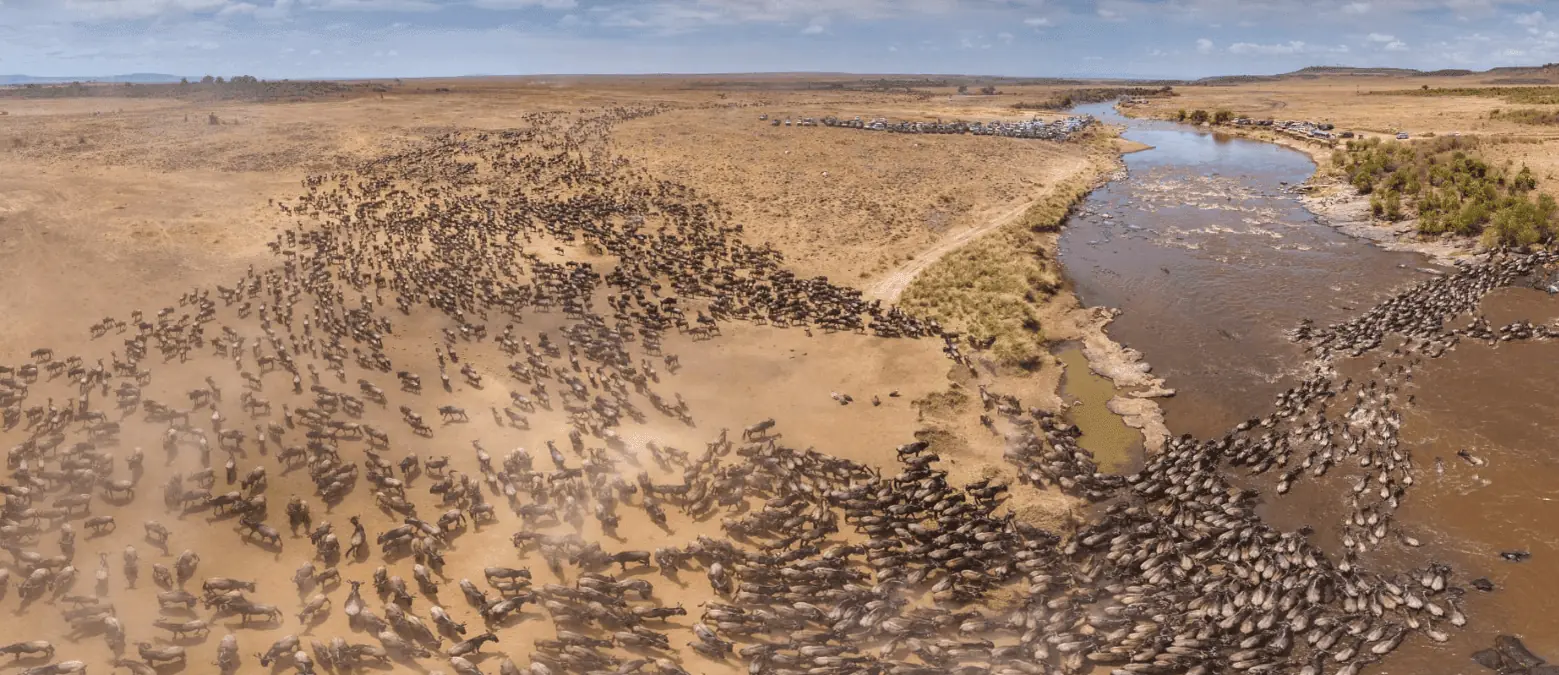
In contrast with the intimacy of the forest, is the grassy floodplain and its expansive views eastward, across the alkaline lake, to the jagged blue volcanic peaks that rise from the endless Maasai Steppes. Large buffalo, wildebeest and zebra herds congregate on these grassy plains, and so do the giraffes – some so dark in coloration that they appear to be black from a distance.
Inland of the floodplain, a narrow belt of acacia woodland is the favored haunt of Manyara’s legendary tree-climbing lions and impressively tusked elephants. Squadrons of banded mongoose dart between the acacias, whereas the diminutive Kirk’s dik-dik forages in their shade. Pairs of klipspringer are often seen silhouetted on the rocks above a field of searing hot springs that steams and bubbles adjacent to the lakeshore in the far south of the park.
Located beneath the cliffs of the Manyara Escarpment, on the edge of the Rift Valley, Lake Manyara National Park offers varied ecosystems, incredible bird life, and breathtaking views.
Lake Manyara National Park its on the way to Ngorongoro Crater and the Serengeti, Its ground water forests, bush plains, baobab strewn cliffs, and algae-streaked hot springs offer incredible ecological variety in a small area, rich in wildlife and incredible numbers of birds.
Stretching for 50 km along the base of the rusty-gold 600-metre high Rift Valley escarpment, Lake Manyara is a scenic gem, with a setting extolled by Ernest Hemingway as “the loveliest I had seen in Africa”. The compact game-viewing circuit through Manyara offers a virtual microcosm of the Tanzanian adventure safari experience.