


如何前往
公园距阿鲁沙约两到三小时车程,位于前往恩戈罗恩戈罗和塞伦盖蒂的路上。
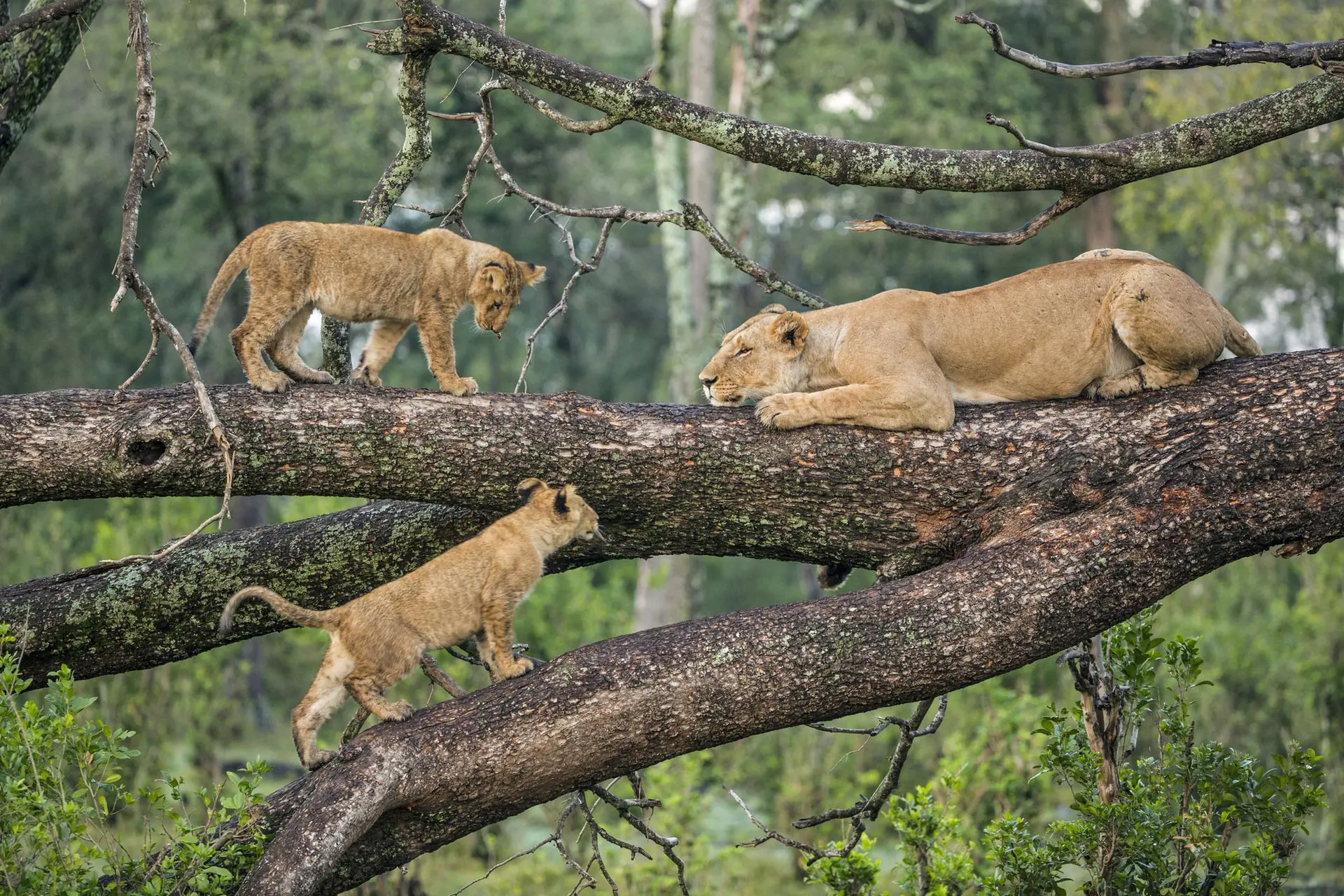
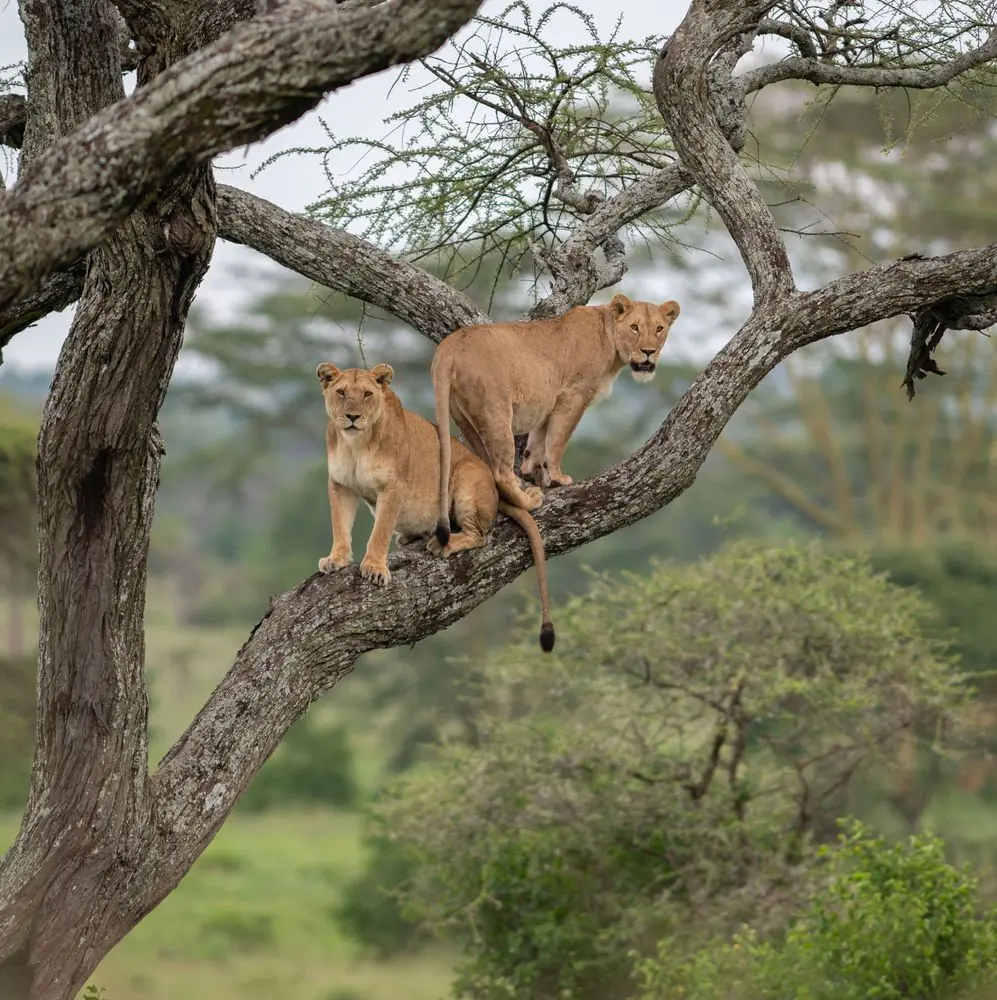
以爬树狮子和粉红火烈鸟闻名,拥有地下水森林、猴面包树悬崖,以及 400 多种有记录的鸟类。
马尼亚拉湖国家公园是一个紧凑的公园,夹在东非大裂谷断崖和一片浅浅的苏打湖之间。几个小时之内,您会经过地下水森林、开阔草地、金合欢林地和湖岸。
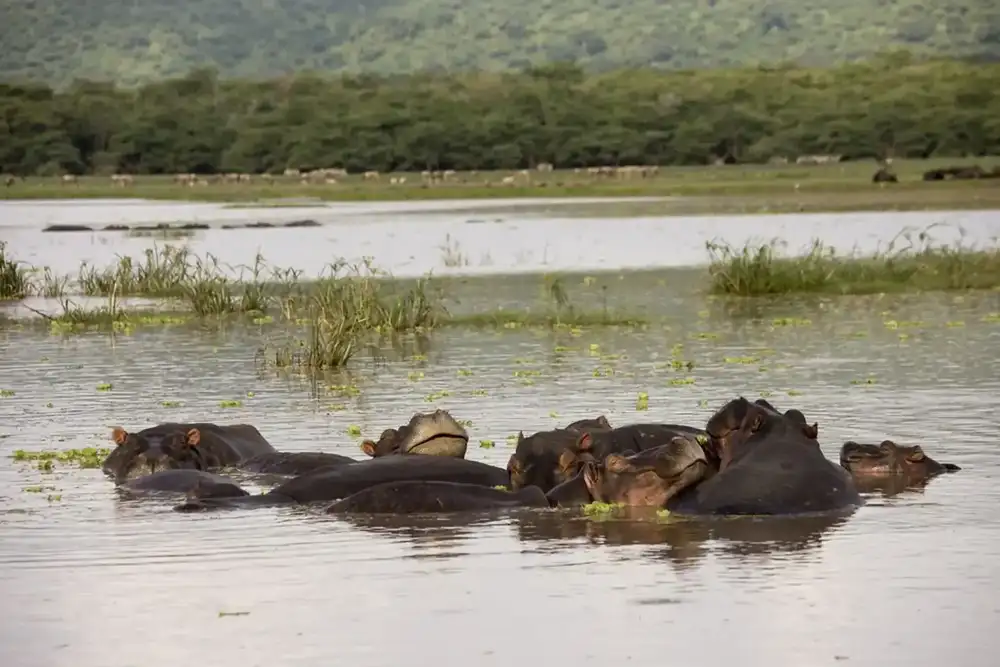
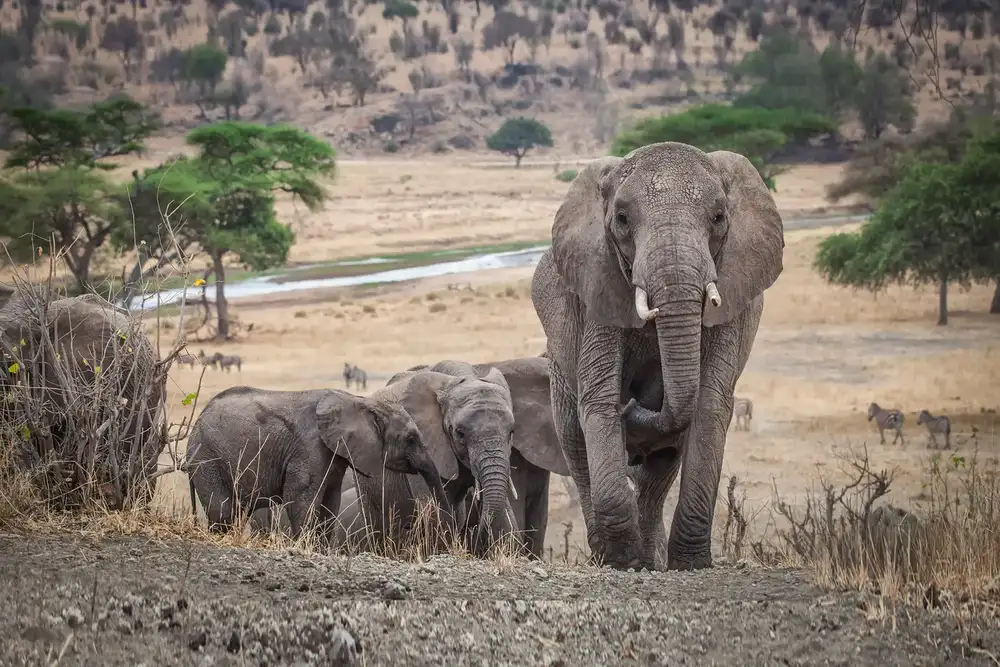
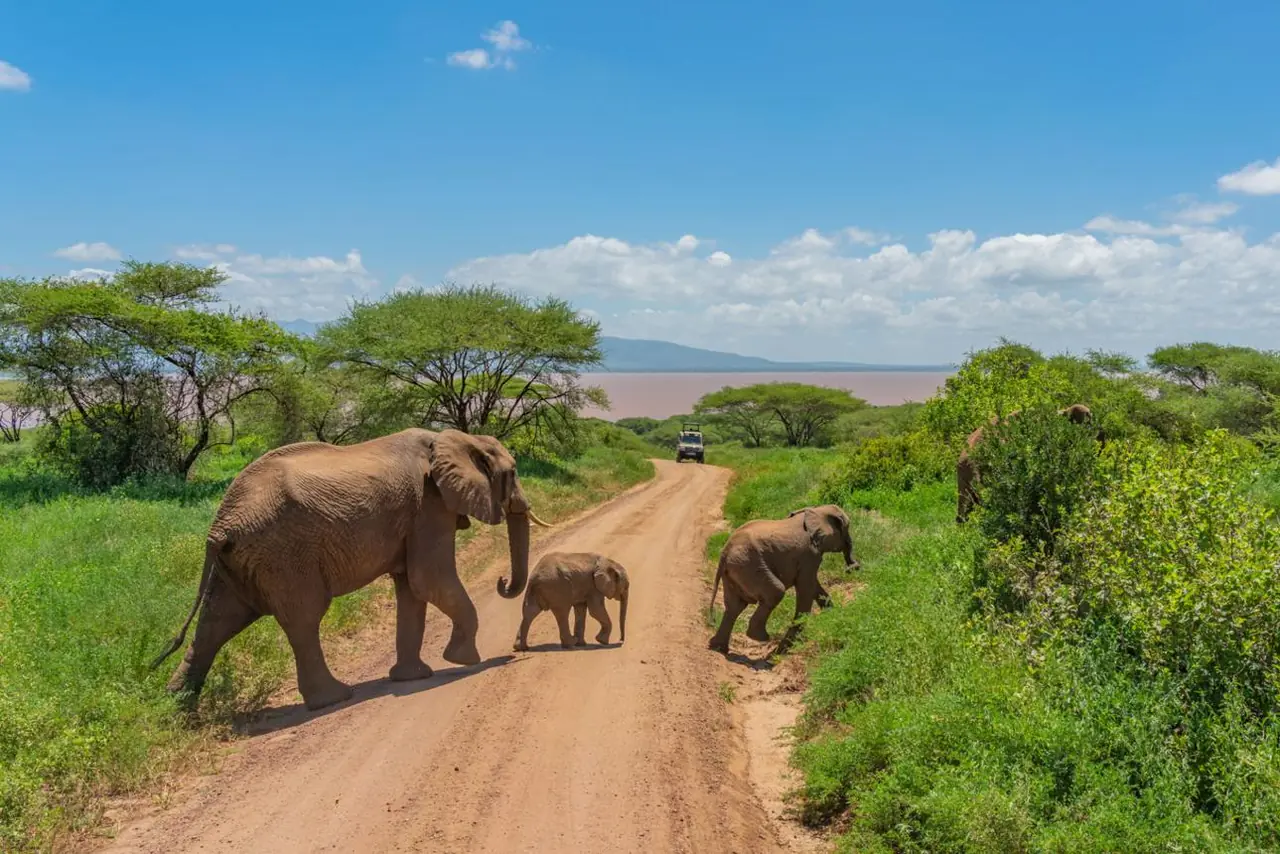
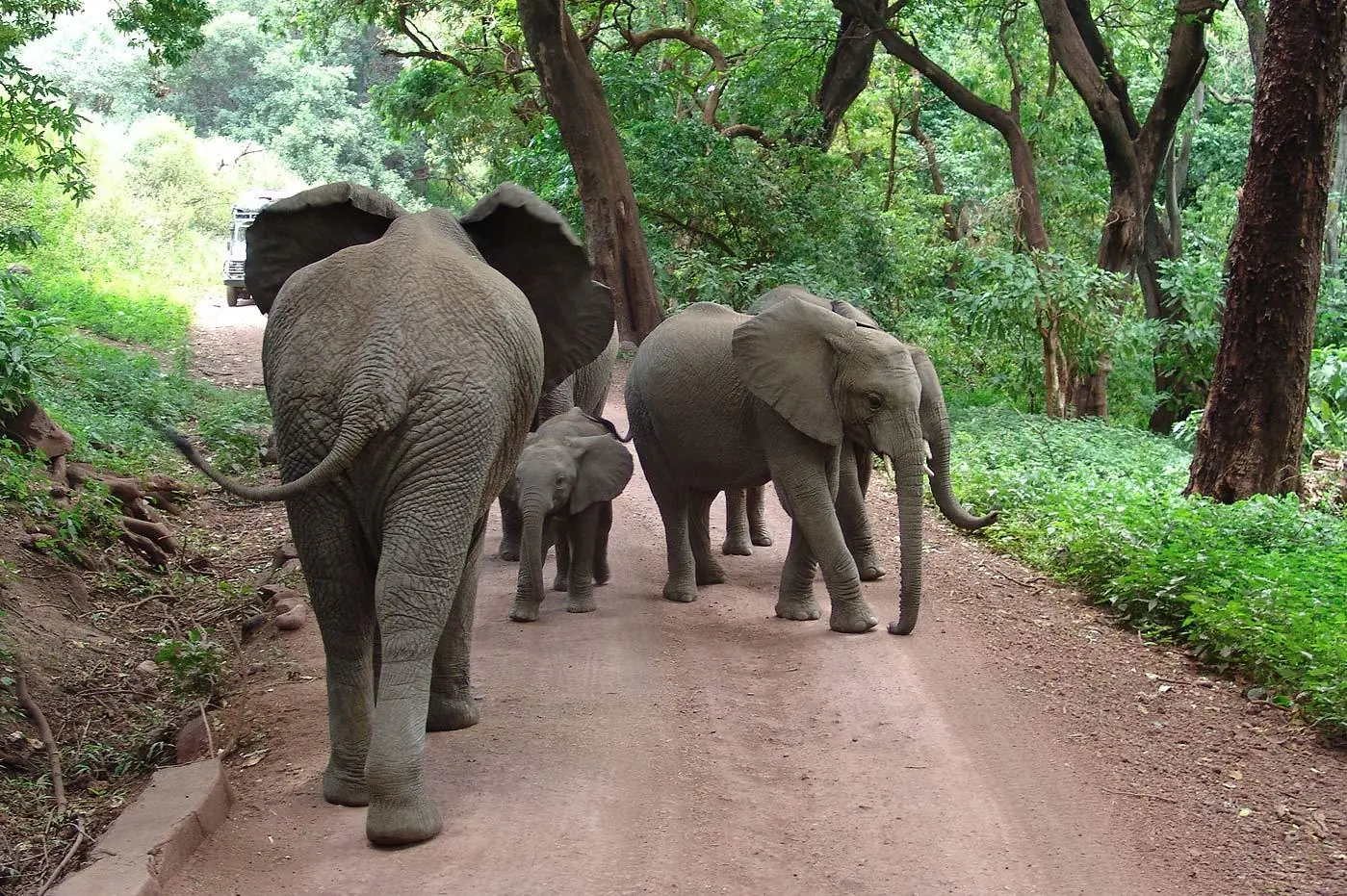
公园以爬树的狮子、大群狒狒、河马、大象、长颈鹿而闻名,应季时还有火烈鸟和其他水鸟。已记录的鸟类超过400种。
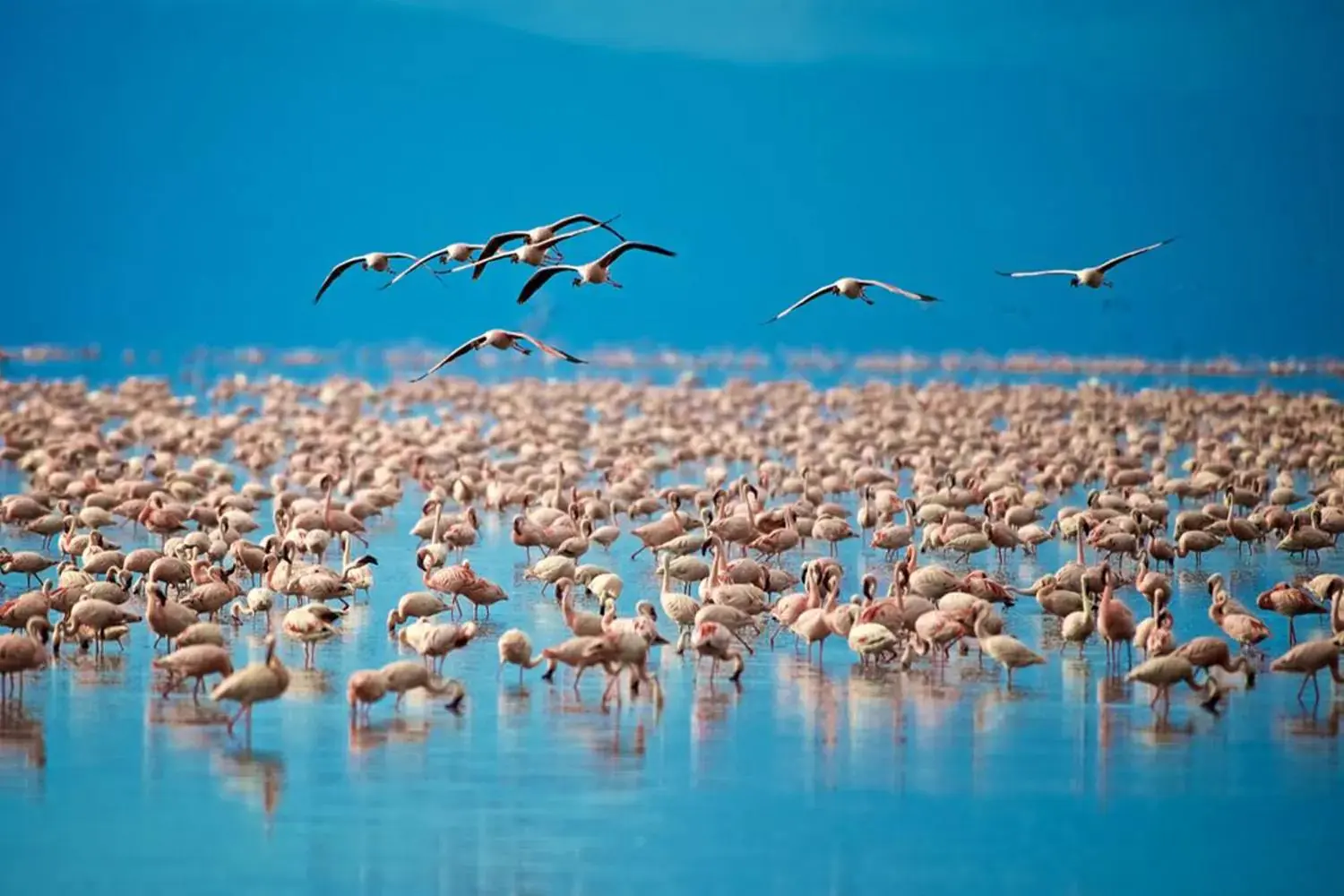
公园全年均可游览。6月至10月的旱月最适合观赏野生动物,11月至5月的较湿润月份则适合观鸟和看火烈鸟。
公园距阿鲁沙约两到三小时车程,位于前往恩戈罗恩戈罗和塞伦盖蒂的路上。
半天至住一晚,通常与塔兰吉雷或恩戈罗恩戈罗结合。
不是。这是当地的一种习性,不能保证看到,但它是这个公园与众不同的原因之一。您的向导会留意寻找。
告诉我们您的想法,我们会回复坦诚的建议和量身定制的报价。
此内容仅提供英文版。
Lake Manyara National Park is Located Northern Tanzania. (126 km/80 miles) west of Arusha along a newly surfaced road, close to the ethnically diverse market town of Mto wa Mbu.
Size: 330 sq km (127 sq miles), of which up to 200 sq km (77 sq miles) is the lake when water levels are high.
Lake Manyara National Park is Located on the way to Ngorongoro Crater and the Serengeti, Its ground water forests, bush plains, baobab strewn cliffs, and algae-streaked hot springs offer incredible ecological variety in a small area, rich in wildlife and incredible numbers of birds.
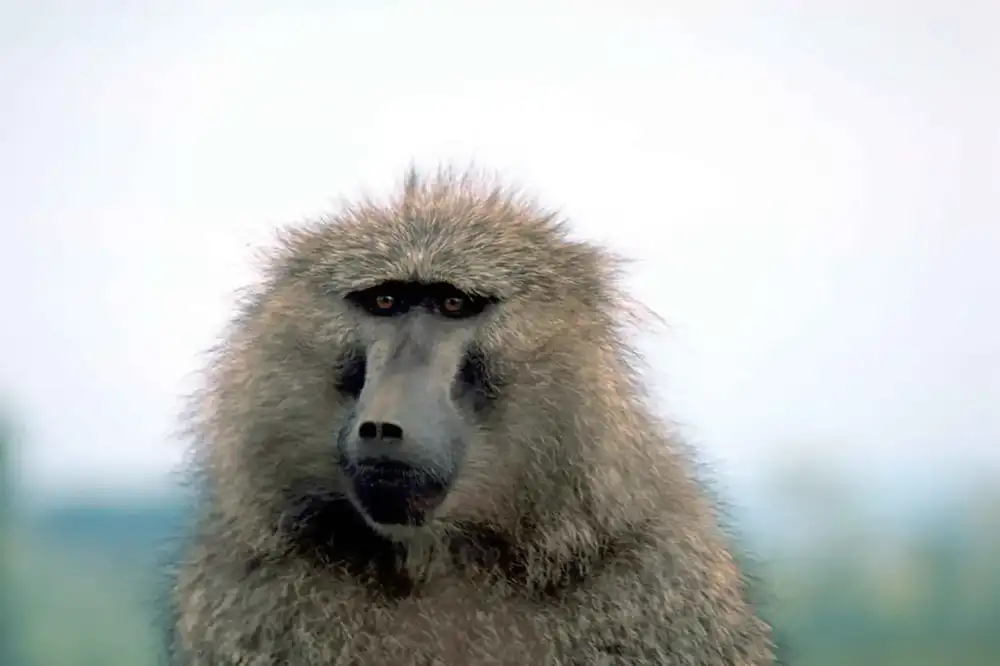
Lake Manyara’s famous tree-climbing lions are another reason to pay a visit to this park. The only kind of their species in the world, they make the ancient mahogany and elegant acacias their home during the rainy season, and are a well-known but rather rare feature of the northern park. In addition to the lions, the national park is also home to the largest concentration of baboons anywhere in the world — a fact that accounts for interesting game viewing of large families of the primates.
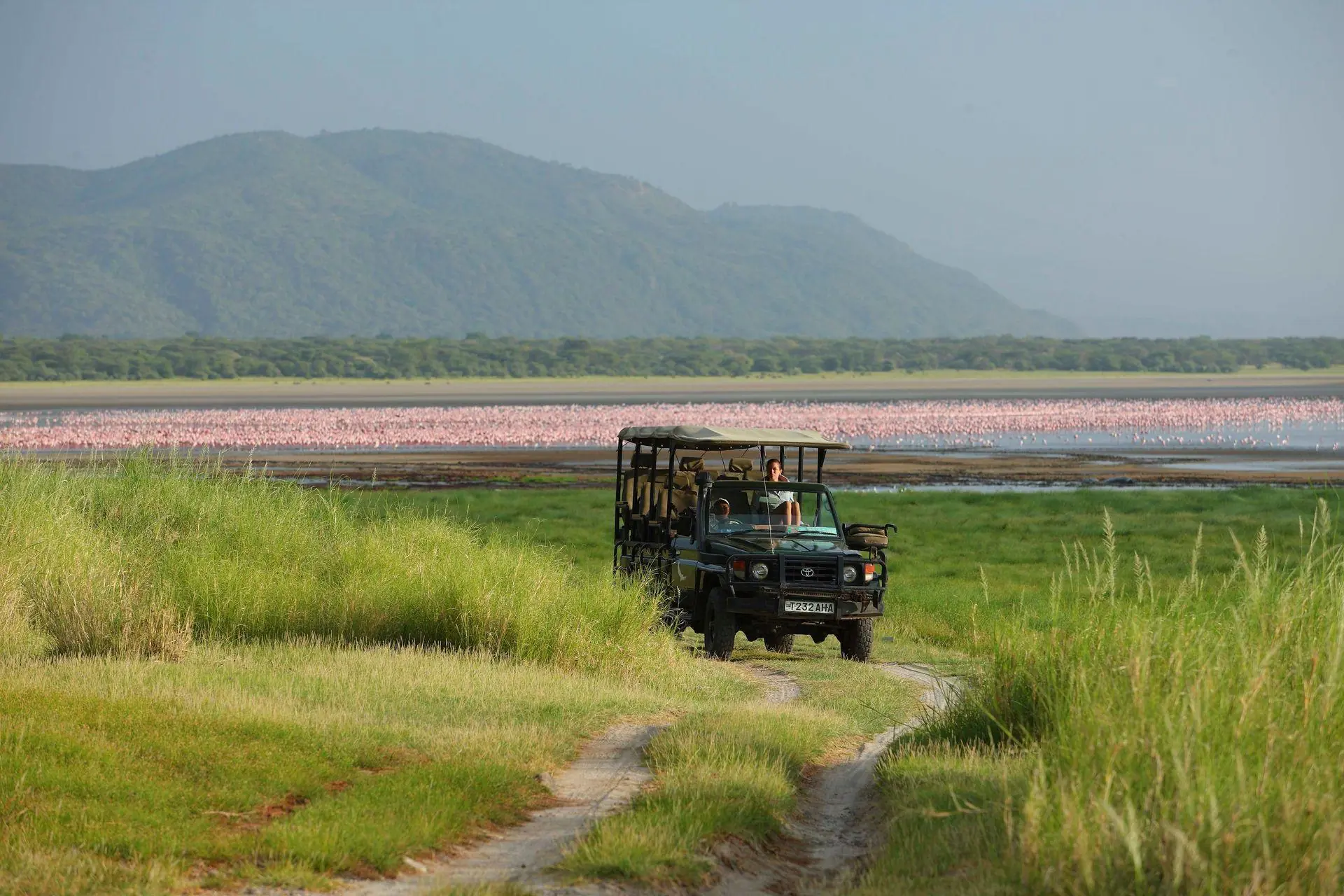
Manyara provides the perfect introduction to Tanzania’s birdlife. More than 400 species have been recorded, and even a first-time visitor to Africa might reasonably expect to observe 100 of these in one day. Highlights include thousands of pink-hued flamingos on their perpetual migration, as well as other large water birds such as pelicans, cormorants and storks.
The alkaline soda of Lake Manyara is home to an incredible array of bird life that thrives on its brackish waters. Pink flamingo stoop and graze by the thousands colorful specks against the grey minerals of the lake shore. Yellow-billed storks swoop and corkscrew on thermal winds rising up from the escarpment, and herons flap their wings against the sun-drenched sky. Even reluctant bird-watchers will find something to watch and marvel at within the national park.
Stretching for 50 km along the base of the rusty-gold 600-metre high Rift Valley escarpment, Lake Manyara is a scenic gem, with a setting extolled by Ernest Hemingway as “the loveliest I had seen in Africa”.
The compact game-viewing circuit through Manyara offers a virtual microcosm of the Tanzanian safari experience.
From the entrance gate, the road winds through an expanse of lush jungle-like groundwater forest where hundred-strong baboon troops lounge nonchalantly along the roadside; the blue monkeys scamper nimbly between the ancient mahogany trees; dainty bushbuck tread warily through the shadows, and the outsized forest hornbills honk cacophonously in the high canopy.
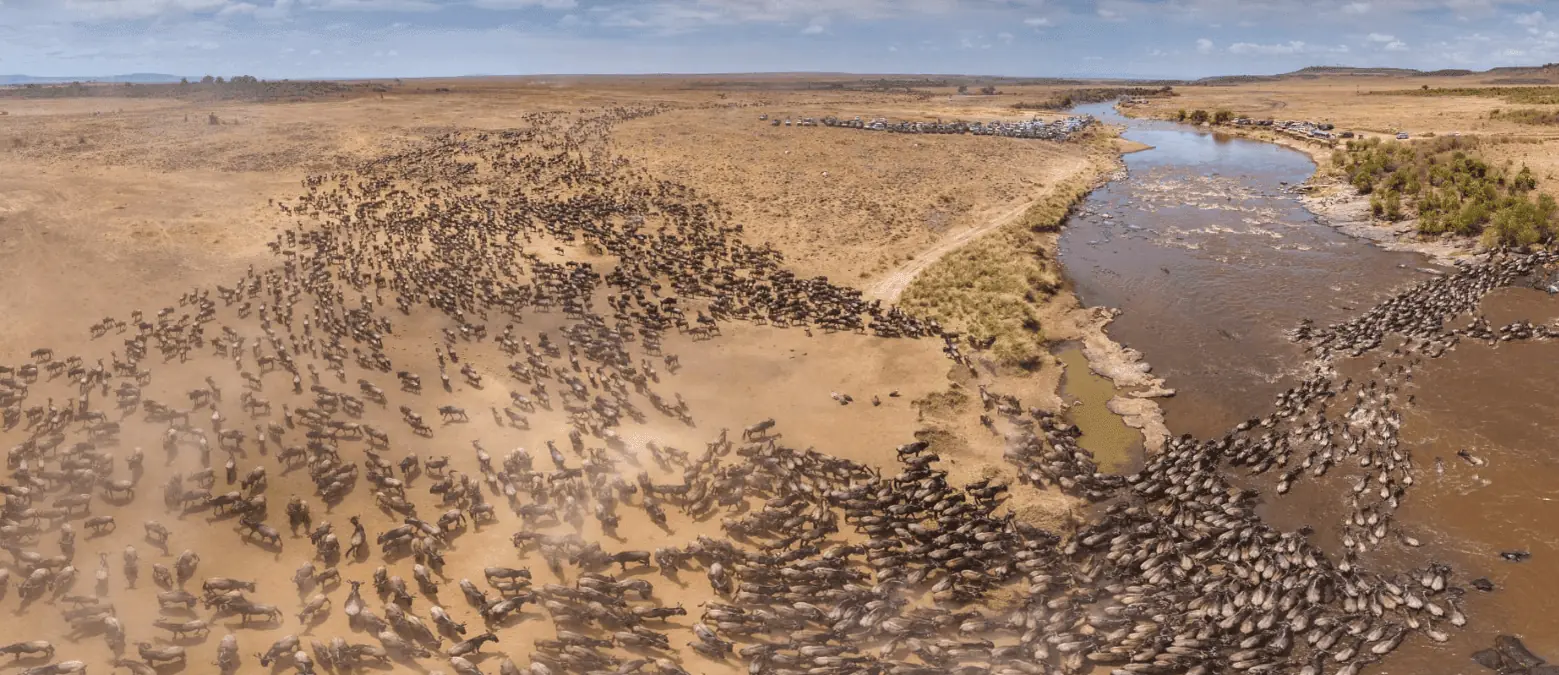
In contrast with the intimacy of the forest, is the grassy floodplain and its expansive views eastward, across the alkaline lake, to the jagged blue volcanic peaks that rise from the endless Maasai Steppes. Large buffalo, wildebeest and zebra herds congregate on these grassy plains, and so do the giraffes – some so dark in coloration that they appear to be black from a distance.
Inland of the floodplain, a narrow belt of acacia woodland is the favored haunt of Manyara’s legendary tree-climbing lions and impressively tusked elephants. Squadrons of banded mongoose dart between the acacias, whereas the diminutive Kirk’s dik-dik forages in their shade. Pairs of klipspringer are often seen silhouetted on the rocks above a field of searing hot springs that steams and bubbles adjacent to the lakeshore in the far south of the park.
Located beneath the cliffs of the Manyara Escarpment, on the edge of the Rift Valley, Lake Manyara National Park offers varied ecosystems, incredible bird life, and breathtaking views.
Lake Manyara National Park its on the way to Ngorongoro Crater and the Serengeti, Its ground water forests, bush plains, baobab strewn cliffs, and algae-streaked hot springs offer incredible ecological variety in a small area, rich in wildlife and incredible numbers of birds.
Stretching for 50 km along the base of the rusty-gold 600-metre high Rift Valley escarpment, Lake Manyara is a scenic gem, with a setting extolled by Ernest Hemingway as “the loveliest I had seen in Africa”. The compact game-viewing circuit through Manyara offers a virtual microcosm of the Tanzanian adventure safari experience.