


Anreise
Der Park liegt etwa zwei bis drei Stunden Fahrt von Arusha entfernt, auf dem Weg nach Ngorongoro und zur Serengeti.
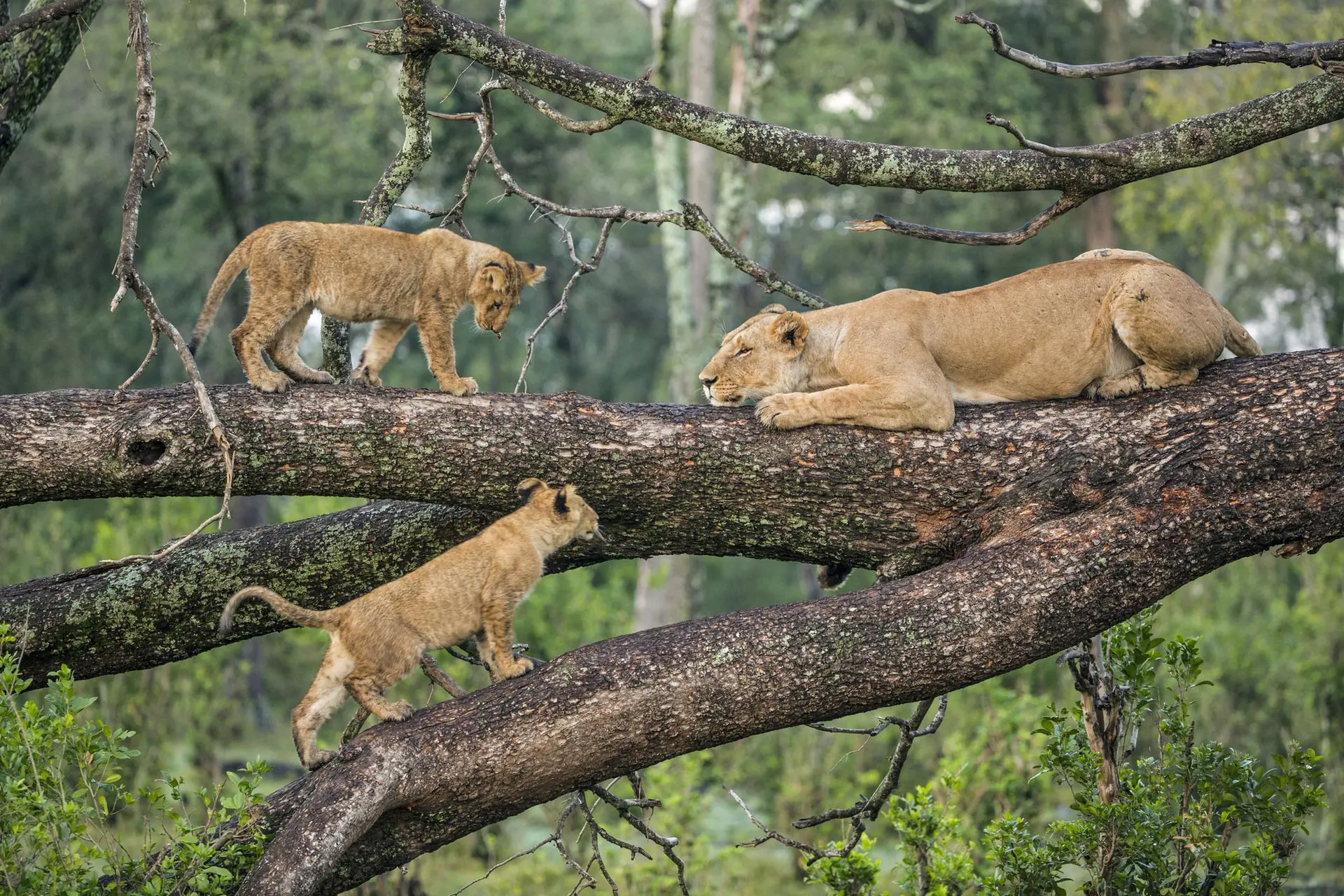
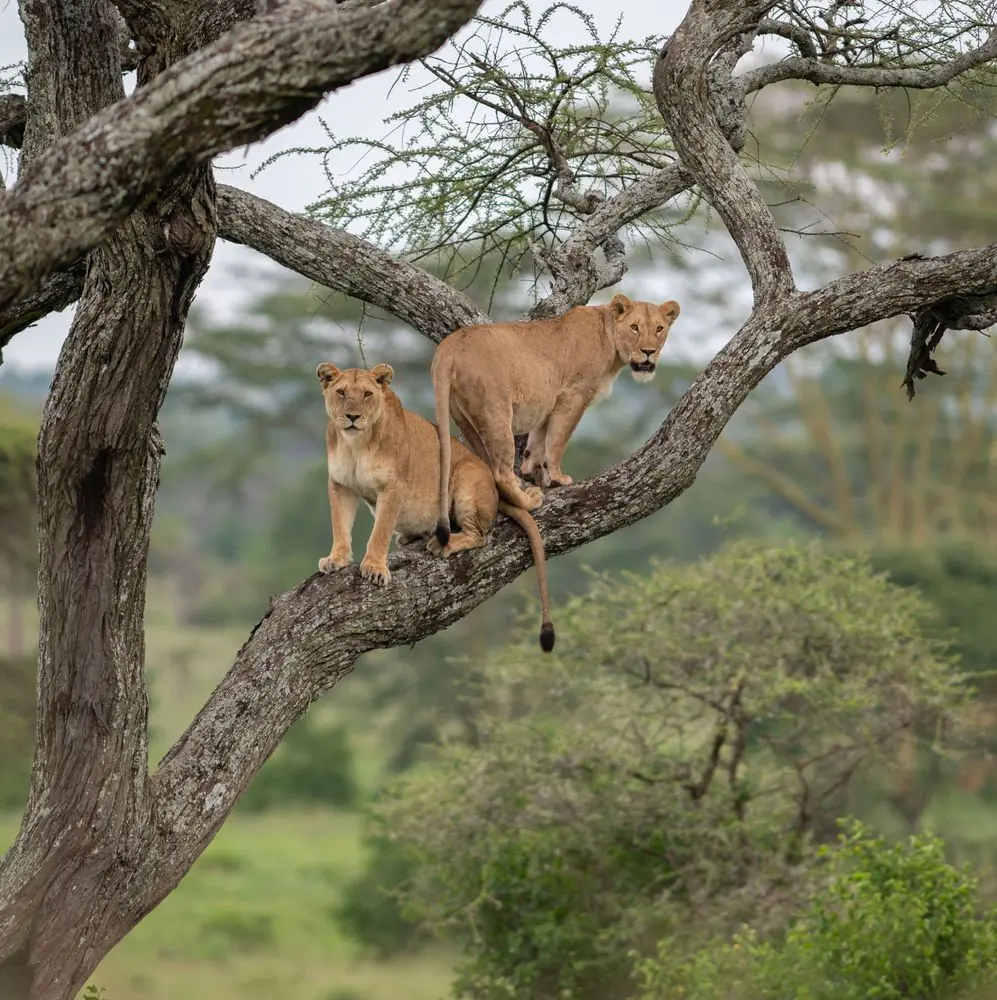
Bekannt für baumkletternde Löwen und rosa Flamingos, mit Grundwasserwald, Baobab-Klippen und über 400 erfassten Vogelarten.
Der Lake-Manyara-Nationalpark ist ein kompakter Park, eingezwängt zwischen der Steilstufe des Großen Afrikanischen Grabenbruchs und einem flachen Sodasee. Innerhalb weniger Stunden durchqueren Sie Grundwasserwald, offenes Grasland, Akazienwald und das Seeufer.
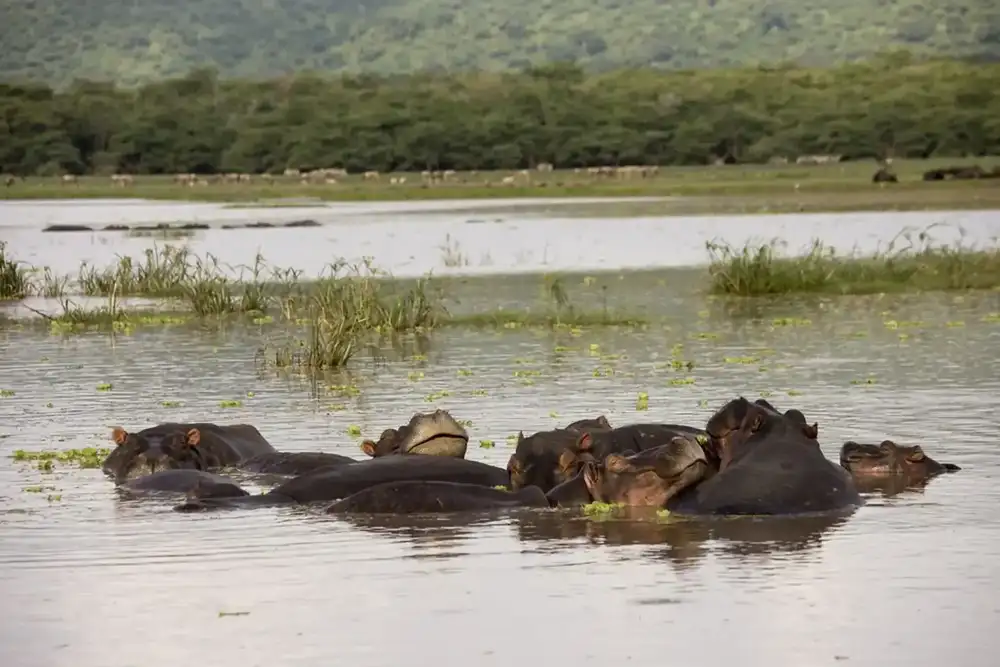
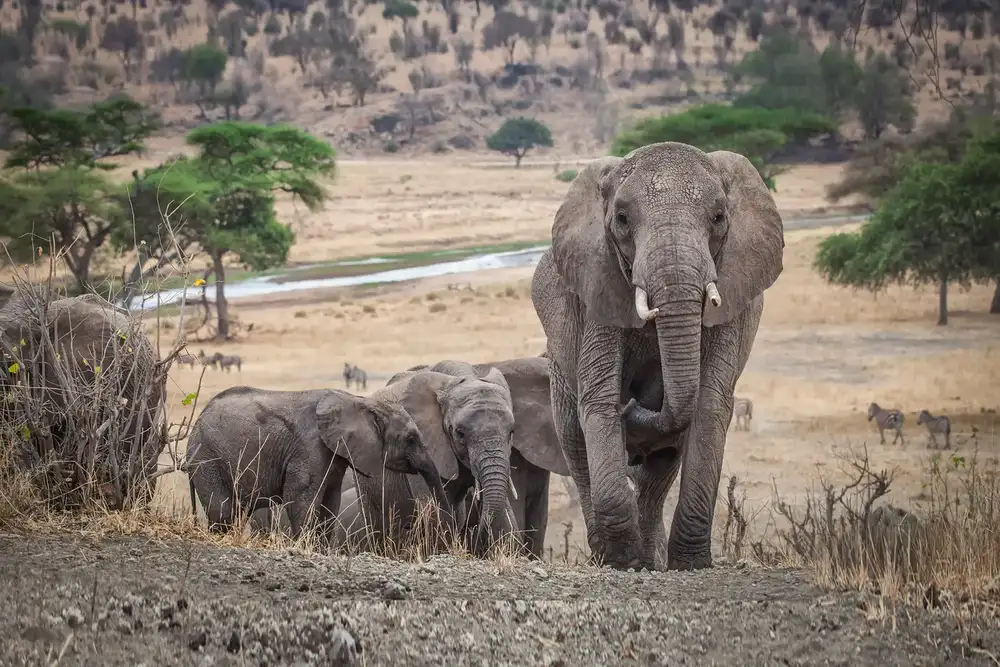
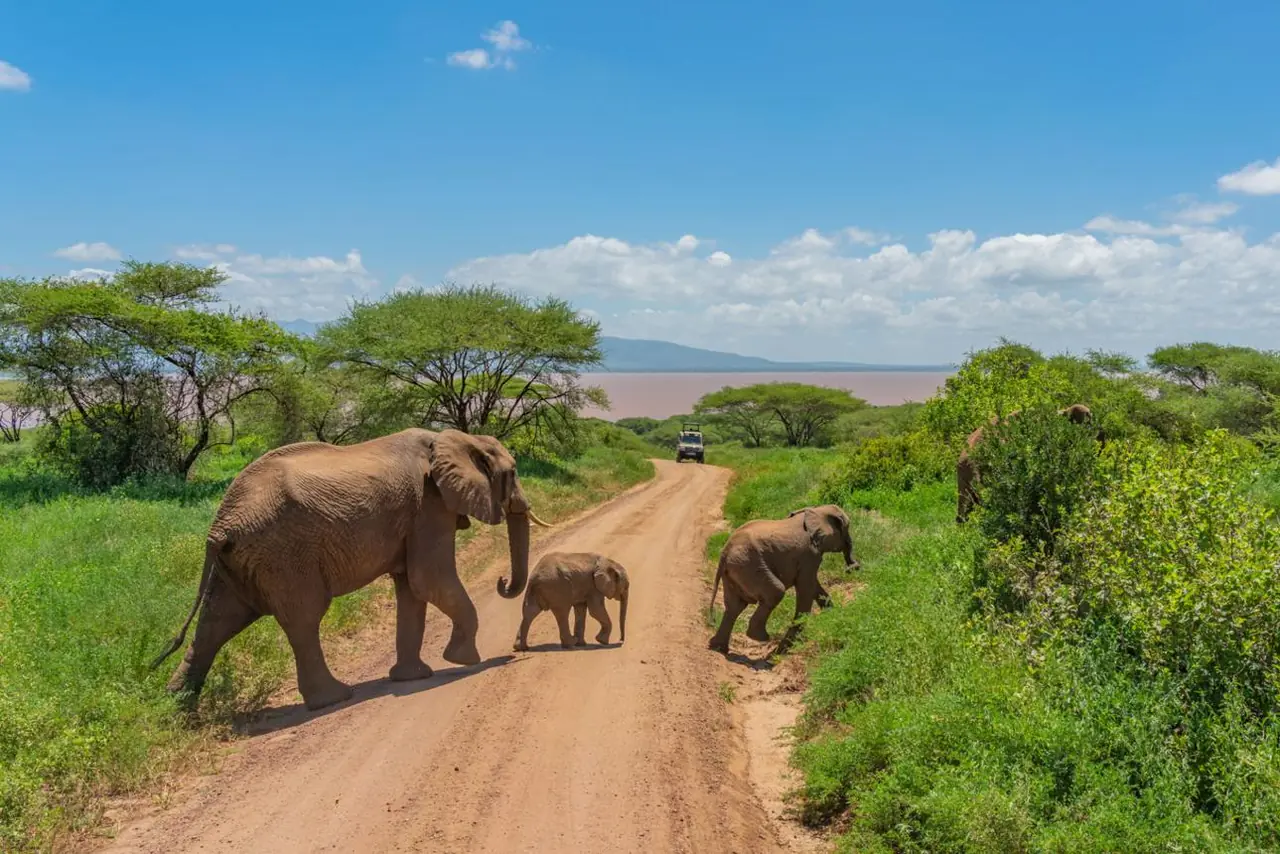
Der Park ist bekannt für seine baumkletternden Löwen, große Pavianhorden, Flusspferde, Elefanten, Giraffen und, je nach Saison, Flamingos und andere Wasservögel. Mehr als 400 Vogelarten wurden verzeichnet.
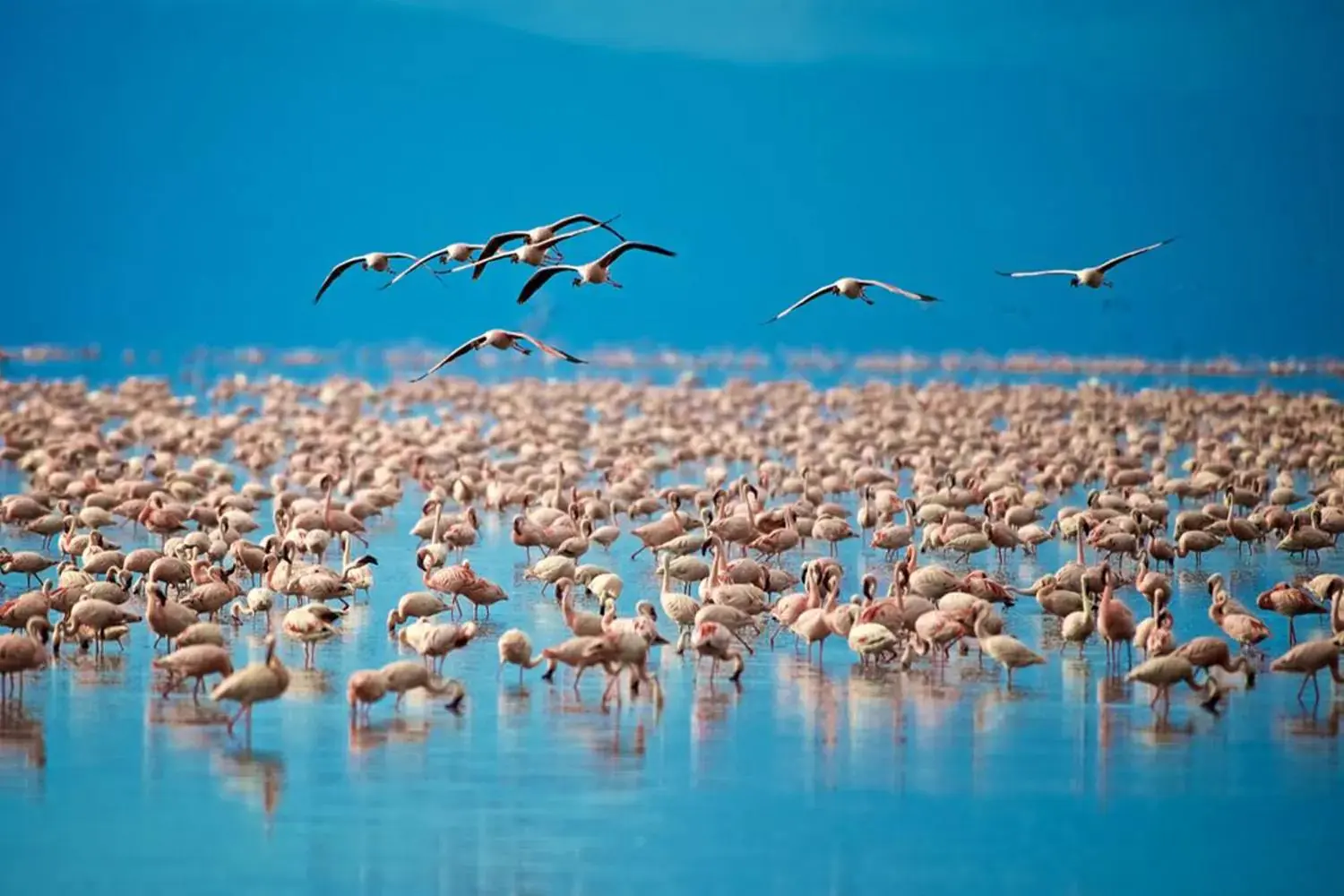
Der Park kann das ganze Jahr über besucht werden. Die trockenen Monate von Juni bis Oktober sind am besten zur Tierbeobachtung, die feuchteren Monate von November bis Mai eignen sich gut für Vögel und Flamingos.
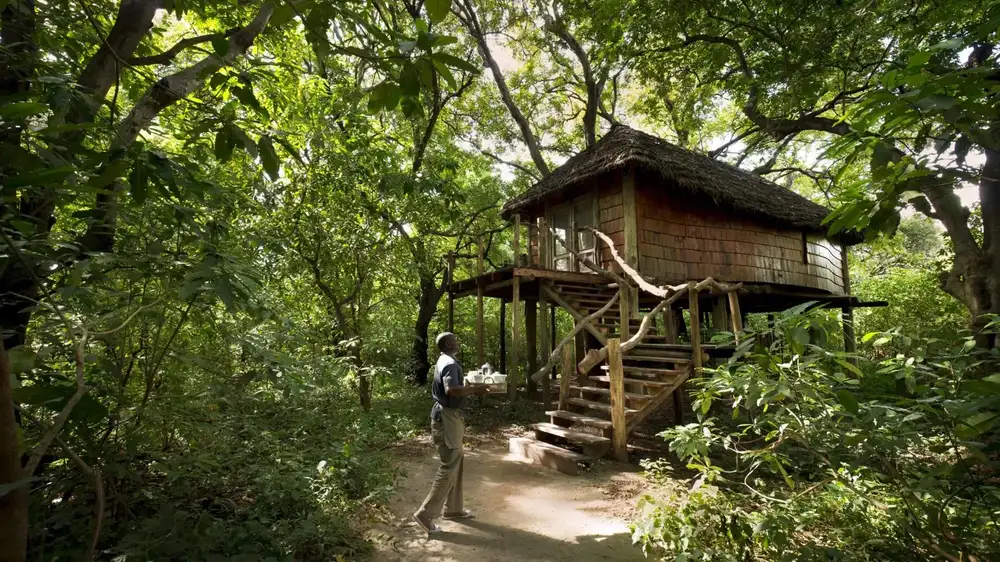
Lodges und Camps liegen auf der Steilstufe über dem See, im Park und in den nahen Dörfern.
Der Park liegt etwa zwei bis drei Stunden Fahrt von Arusha entfernt, auf dem Weg nach Ngorongoro und zur Serengeti.
Ein halber Tag bis eine Nacht, meist verbunden mit Tarangire oder Ngorongoro.
Unterkunft: Hotel und Lodge am Kraterrand
Preis auf Anfrage
Reiseverlauf ansehenUnterkunft: Lodges und Zeltcamps
Preis auf Anfrage
Reiseverlauf ansehenUnterkunft: Lodges und Zeltcamps
Preis auf Anfrage
Reiseverlauf ansehenUnterkunft: Lodge oder Camp laut Angebot
Preis auf Anfrage
Reiseverlauf ansehenUnterkunft: Lodges und Zeltcamps
Preis auf Anfrage
Reiseverlauf ansehenUnterkunft: Berglager, danach Lodges
Preis auf Anfrage
Reiseverlauf ansehenNein. Es ist eine lokale Gewohnheit, auf die man sich nicht verlassen kann, aber sie ist einer der Gründe, warum der Park etwas Besonderes ist. Ihr Guide hält danach Ausschau.
Erzählen Sie uns, was Sie vorhaben, und wir antworten mit ehrlicher Beratung und einem individuellen Angebot.
Dieser Text ist nur auf Englisch verfügbar.
Lake Manyara National Park is Located Northern Tanzania. (126 km/80 miles) west of Arusha along a newly surfaced road, close to the ethnically diverse market town of Mto wa Mbu.
Size: 330 sq km (127 sq miles), of which up to 200 sq km (77 sq miles) is the lake when water levels are high.
Lake Manyara National Park is Located on the way to Ngorongoro Crater and the Serengeti, Its ground water forests, bush plains, baobab strewn cliffs, and algae-streaked hot springs offer incredible ecological variety in a small area, rich in wildlife and incredible numbers of birds.
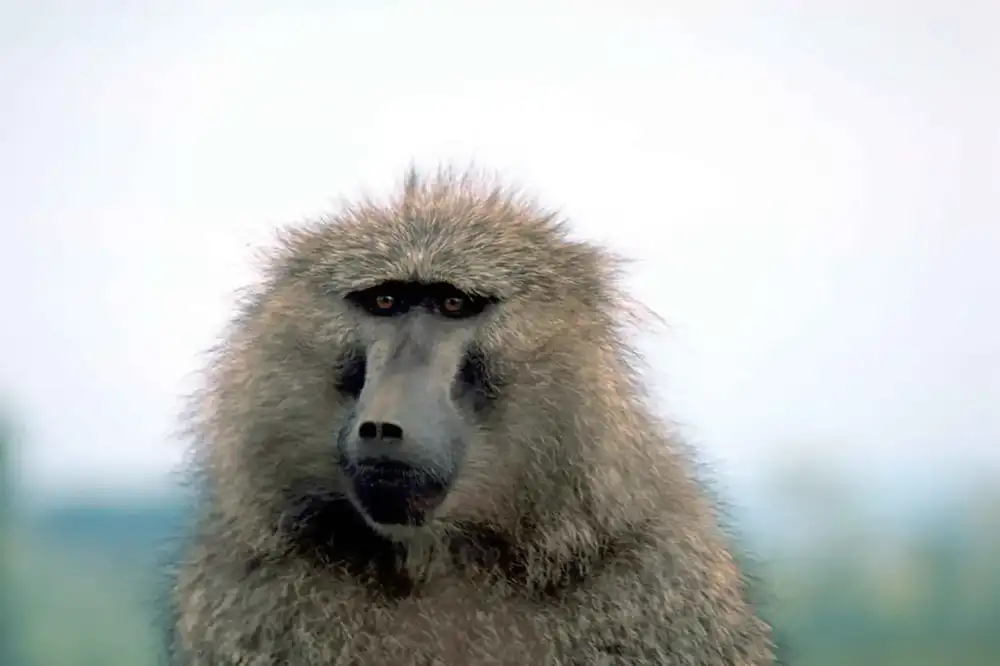
Lake Manyara’s famous tree-climbing lions are another reason to pay a visit to this park. The only kind of their species in the world, they make the ancient mahogany and elegant acacias their home during the rainy season, and are a well-known but rather rare feature of the northern park. In addition to the lions, the national park is also home to the largest concentration of baboons anywhere in the world — a fact that accounts for interesting game viewing of large families of the primates.
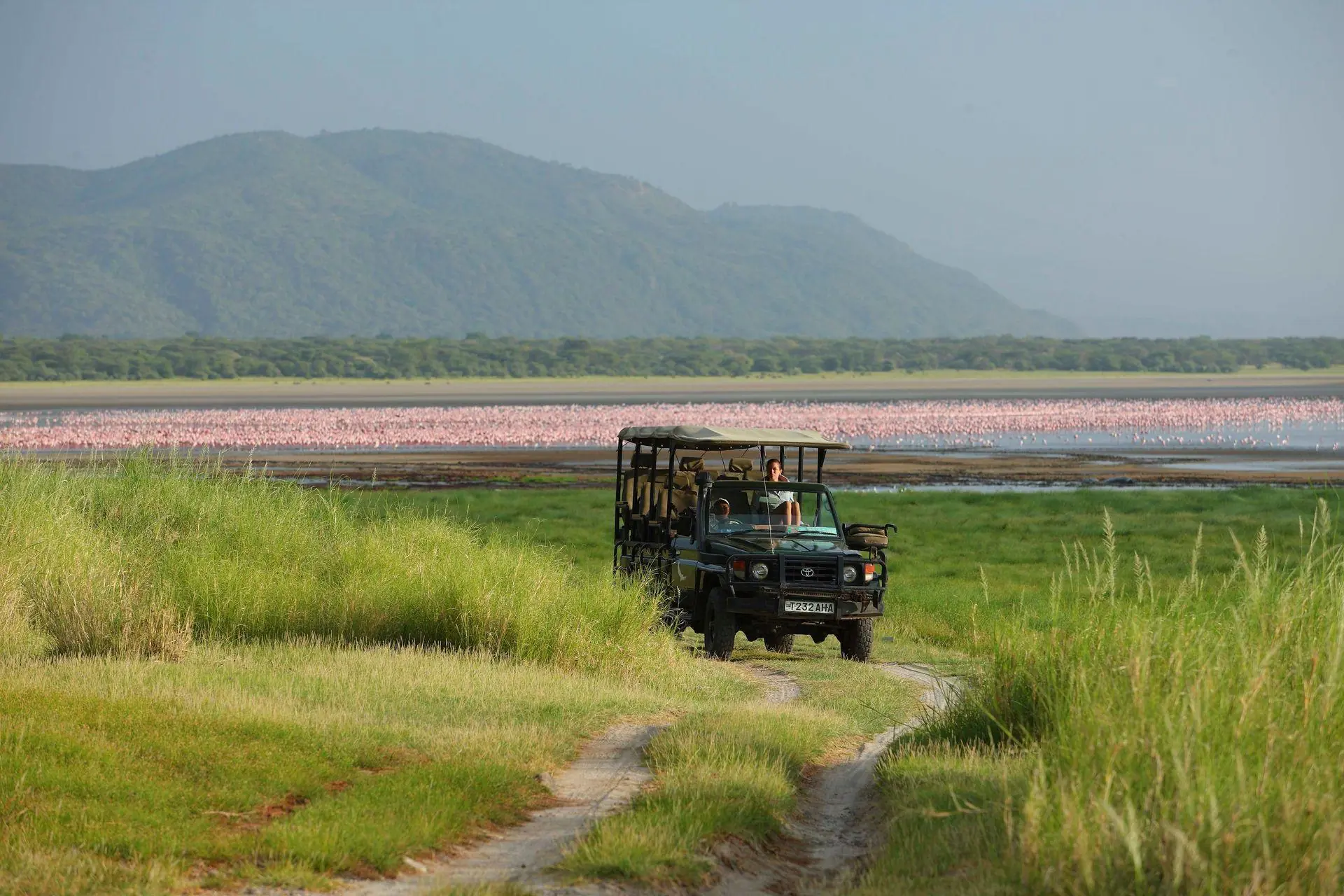
Manyara provides the perfect introduction to Tanzania’s birdlife. More than 400 species have been recorded, and even a first-time visitor to Africa might reasonably expect to observe 100 of these in one day. Highlights include thousands of pink-hued flamingos on their perpetual migration, as well as other large water birds such as pelicans, cormorants and storks.
The alkaline soda of Lake Manyara is home to an incredible array of bird life that thrives on its brackish waters. Pink flamingo stoop and graze by the thousands colorful specks against the grey minerals of the lake shore. Yellow-billed storks swoop and corkscrew on thermal winds rising up from the escarpment, and herons flap their wings against the sun-drenched sky. Even reluctant bird-watchers will find something to watch and marvel at within the national park.
Stretching for 50 km along the base of the rusty-gold 600-metre high Rift Valley escarpment, Lake Manyara is a scenic gem, with a setting extolled by Ernest Hemingway as “the loveliest I had seen in Africa”.
The compact game-viewing circuit through Manyara offers a virtual microcosm of the Tanzanian safari experience.
From the entrance gate, the road winds through an expanse of lush jungle-like groundwater forest where hundred-strong baboon troops lounge nonchalantly along the roadside; the blue monkeys scamper nimbly between the ancient mahogany trees; dainty bushbuck tread warily through the shadows, and the outsized forest hornbills honk cacophonously in the high canopy.
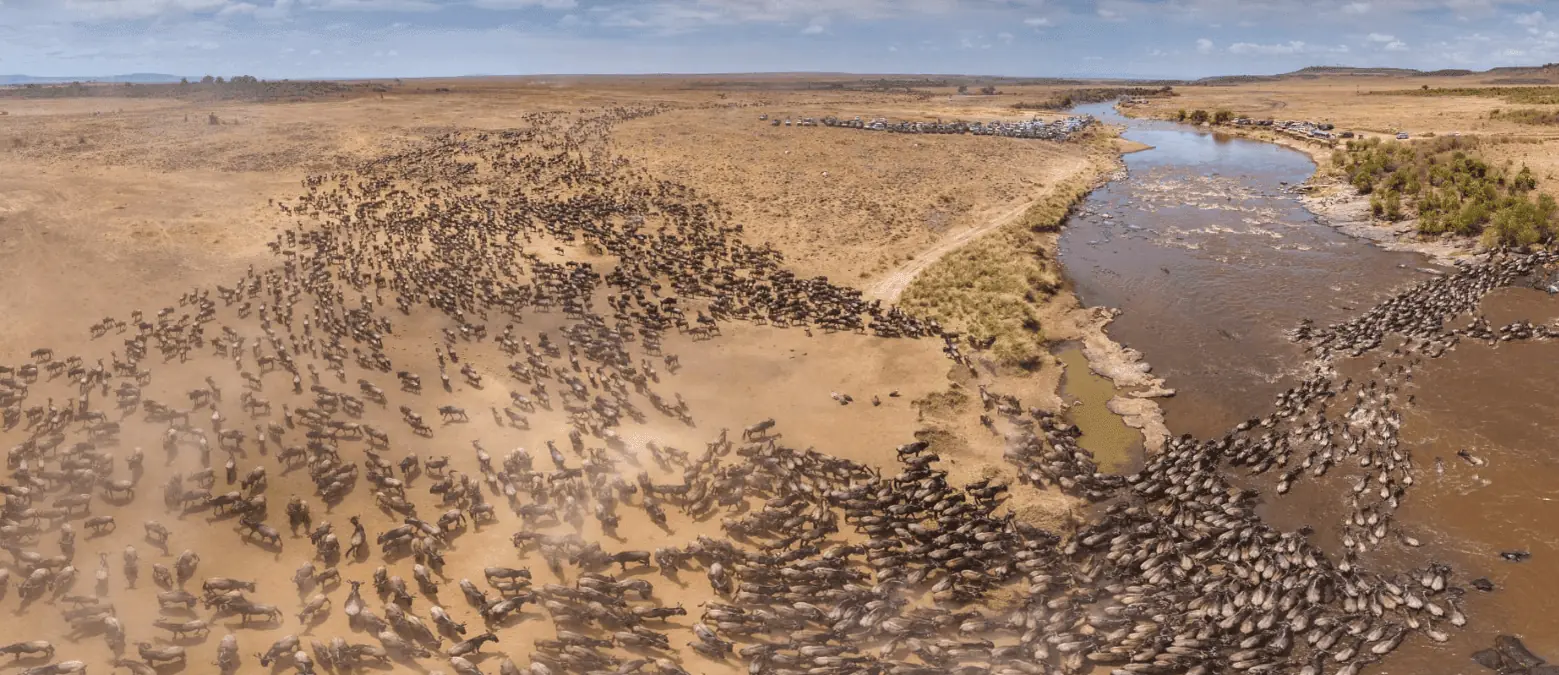
In contrast with the intimacy of the forest, is the grassy floodplain and its expansive views eastward, across the alkaline lake, to the jagged blue volcanic peaks that rise from the endless Maasai Steppes. Large buffalo, wildebeest and zebra herds congregate on these grassy plains, and so do the giraffes – some so dark in coloration that they appear to be black from a distance.
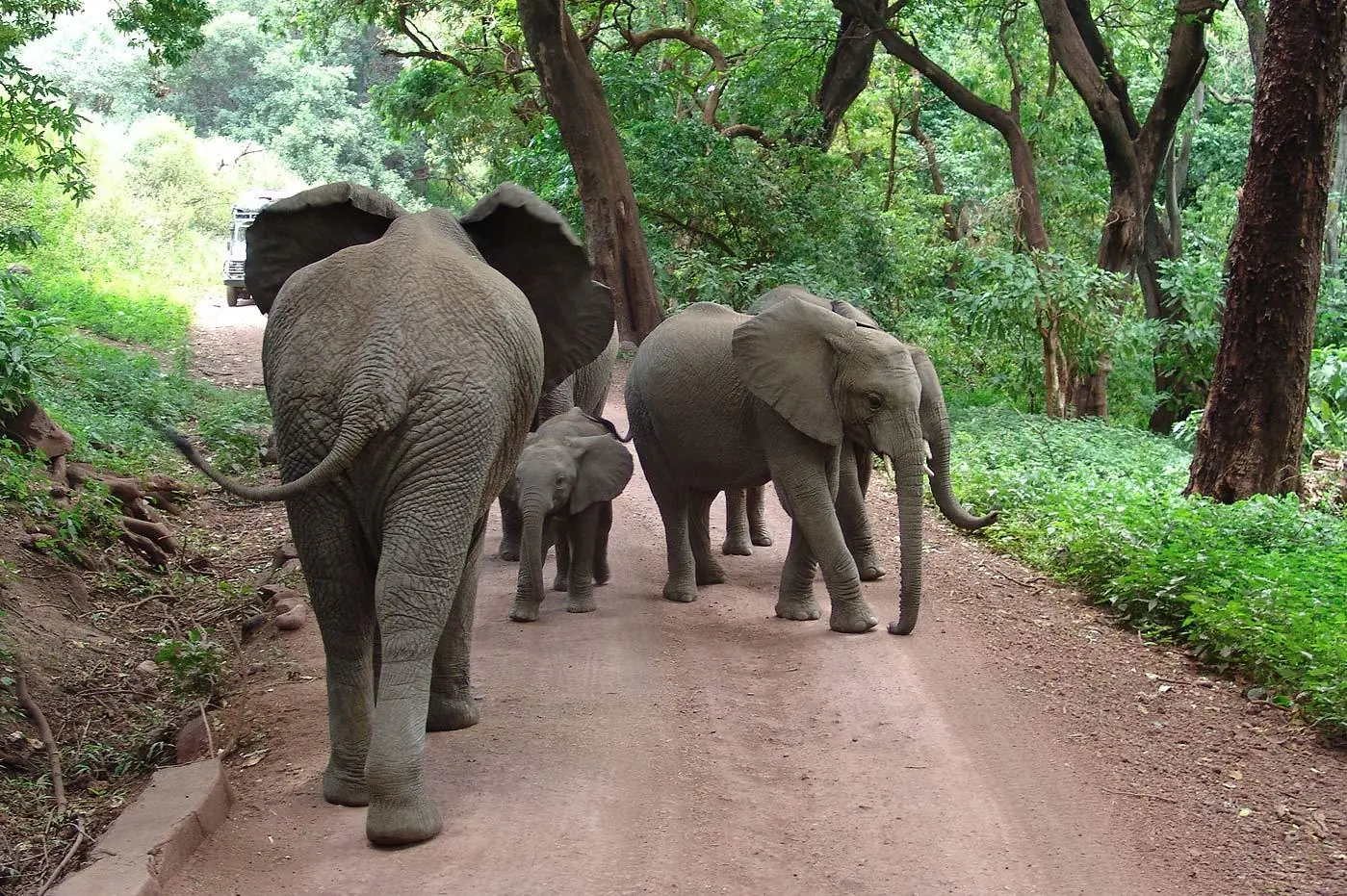
Inland of the floodplain, a narrow belt of acacia woodland is the favored haunt of Manyara’s legendary tree-climbing lions and impressively tusked elephants. Squadrons of banded mongoose dart between the acacias, whereas the diminutive Kirk’s dik-dik forages in their shade. Pairs of klipspringer are often seen silhouetted on the rocks above a field of searing hot springs that steams and bubbles adjacent to the lakeshore in the far south of the park.
Located beneath the cliffs of the Manyara Escarpment, on the edge of the Rift Valley, Lake Manyara National Park offers varied ecosystems, incredible bird life, and breathtaking views.
Lake Manyara National Park its on the way to Ngorongoro Crater and the Serengeti, Its ground water forests, bush plains, baobab strewn cliffs, and algae-streaked hot springs offer incredible ecological variety in a small area, rich in wildlife and incredible numbers of birds.
Stretching for 50 km along the base of the rusty-gold 600-metre high Rift Valley escarpment, Lake Manyara is a scenic gem, with a setting extolled by Ernest Hemingway as “the loveliest I had seen in Africa”. The compact game-viewing circuit through Manyara offers a virtual microcosm of the Tanzanian adventure safari experience.