



Come arrivare
L'Aeroporto Internazionale del Kilimangiaro dista circa un'ora da Arusha su strada. L'aeroporto di Arusha gestisce i voli nazionali e charter.
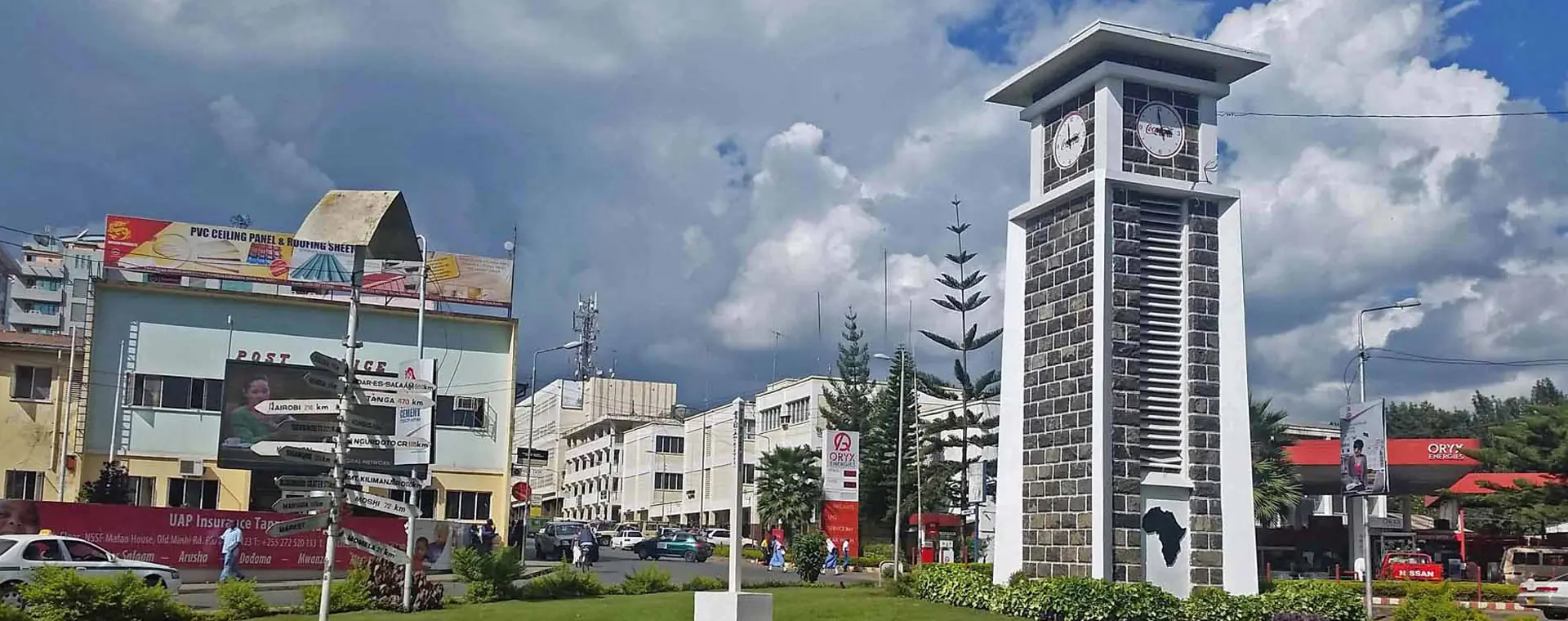
La porta d'accesso al circuito safari del nord e al Kilimangiaro, ai piedi del Monte Meru, con il Parco Nazionale di Arusha a pochi passi.
Arusha è il principale punto di partenza per i safari nel nord della Tanzania e per le scalate del Kilimangiaro. Sorge ai piedi del Monte Meru ed è una città vivace con mercati, piantagioni di caffè e negozi di artigianato.
La maggior parte dei viaggiatori vi trascorre una notte prima o dopo il safari, il che la rende un buon luogo per il briefing prima del viaggio e per il controllo dell'attrezzatura.

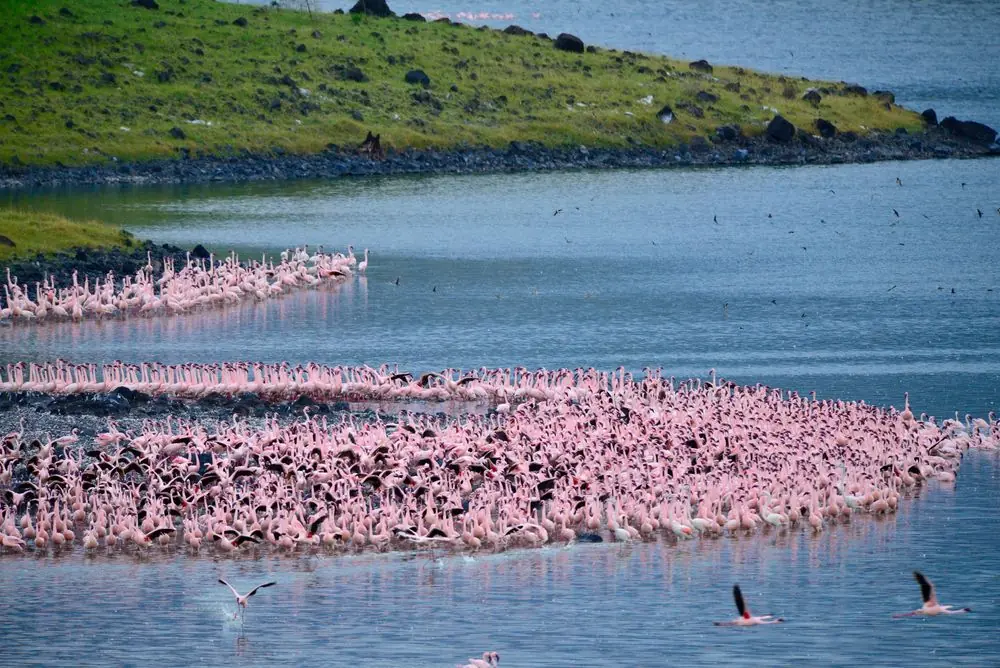
Il Parco nazionale di Arusha, a breve distanza dalla città, ha colobi, giraffe, bufali, ippopotami e fenicotteri sui laghi Momela, oltre a viste sul Monte Meru e, nei giorni sereni, sul Kilimangiaro.

Arusha è piacevole tutto l'anno. È più fresca della costa, con i mesi più asciutti da giugno a ottobre.
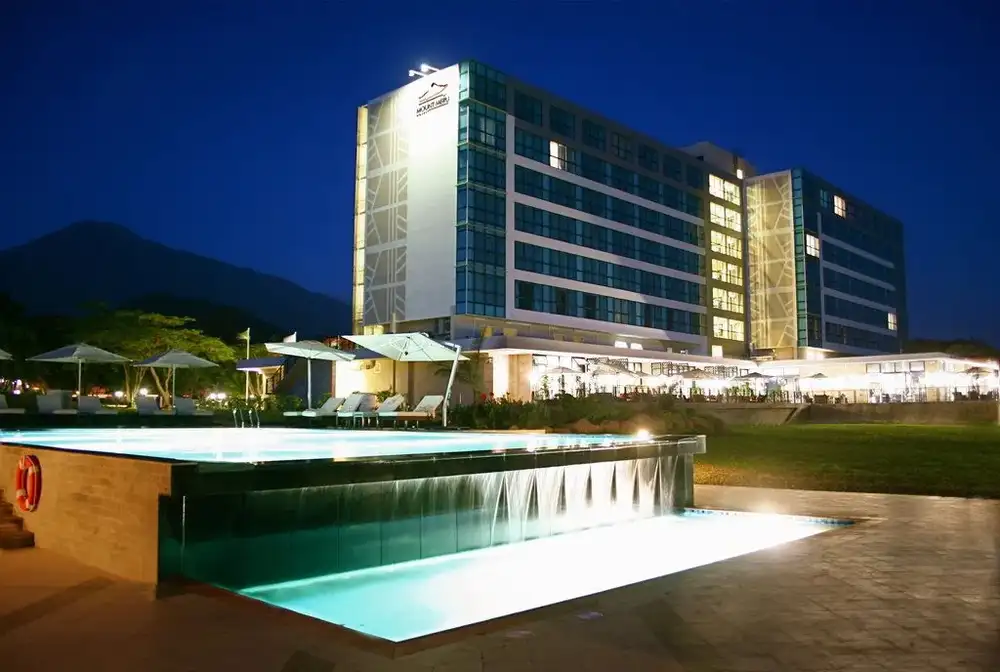
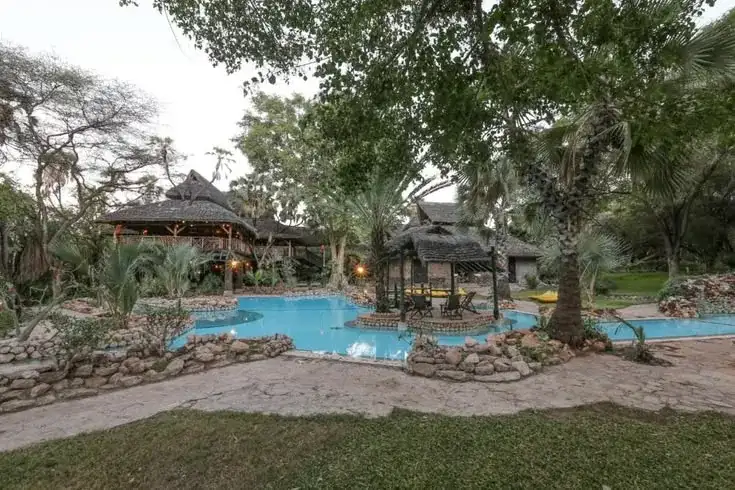
Gli hotel e i lodge vanno dalle semplici pensioni ai lodge nelle piantagioni di caffè, molti fuori dal centro in giardini tranquilli.
L'Aeroporto Internazionale del Kilimangiaro dista circa un'ora da Arusha su strada. L'aeroporto di Arusha gestisce i voli nazionali e charter.
Una notte prima e una dopo il viaggio; un giorno in più vale la pena per il Parco nazionale di Arusha.
Chiedici di includere questa destinazione in un viaggio su misura. Richiedi un preventivo
L'Aeroporto Internazionale del Kilimangiaro dista da 45 minuti a un'ora su strada, a seconda del traffico.
Raccontaci cosa hai in mente e ti risponderemo con consigli onesti e un preventivo su misura.
Questo testo è disponibile solo in inglese.
The park is just a few kilometres north east of Arusha, though the main gate is 29 km east of the city. It is also 58 km from Moshi and 35 km from Kilimanjaro International Airport (KIA)The park measures approximately 552 square kilometres,
Arusha National Park covers Mount Meru, a prominent volcano with an elevation of 4566 m. (14,990 feet), in the Arusha Region of north eastern Tanzania. The park is small but varied with spectacular landscapes in three distinct areas. In the west, the Meru Crater funnels the Jekukumia River; the peak of Mount Meru lies on its rim. Ngurdoto Crater in the south-east is grassland. The shallow alkaline Momella Lakes in the north-east have varying algal colours and are known for their wading birds.
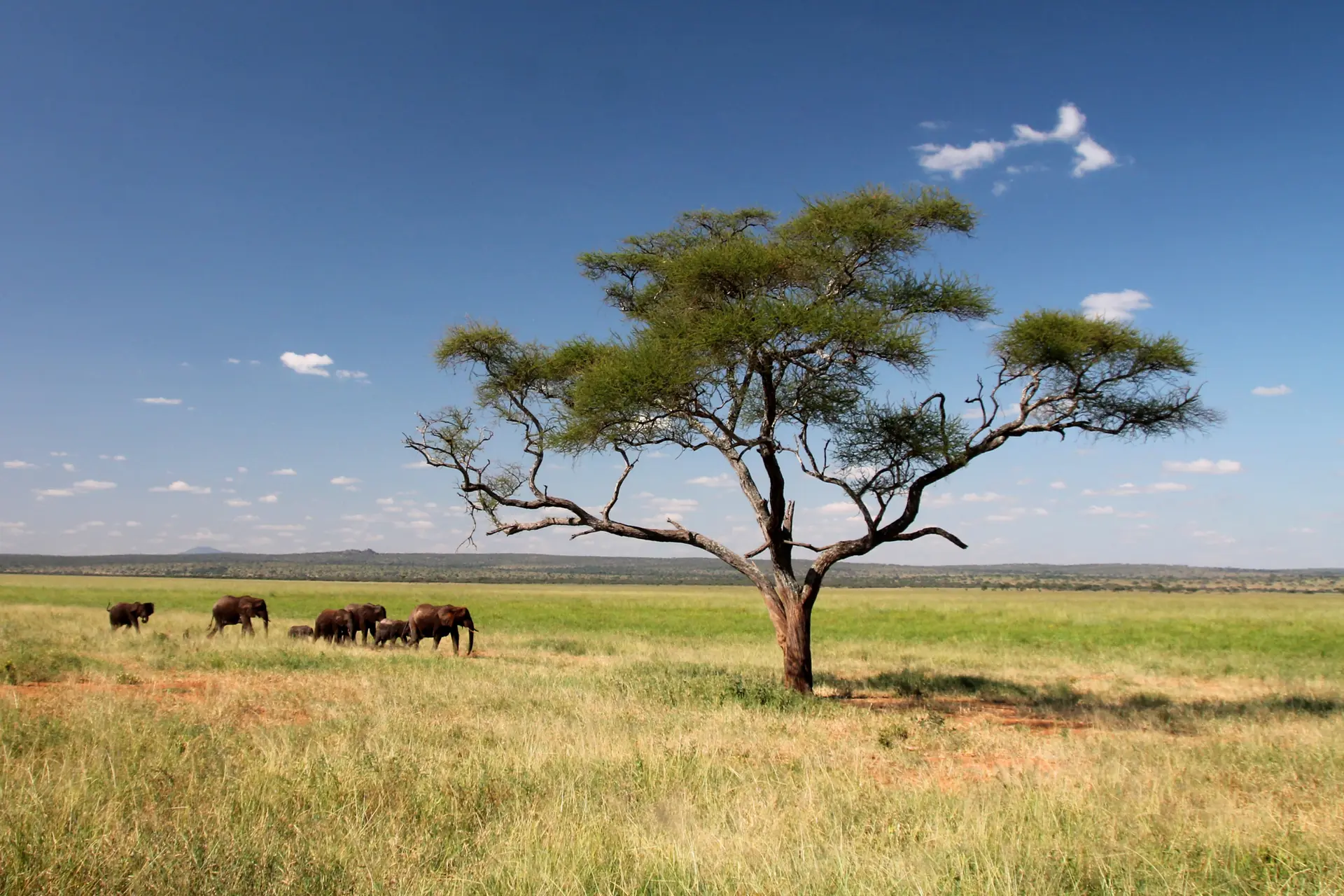
Arusha National Park has a rich variety of wildlife, but visitors shouldn’t expect the same game-viewing experience they find in other national parks of Tanzania’s northern circuit. Despite the small size of the park, common animals include giraffe, Cape buffalo, zebra, warthog, the black-and-white colobus monkey, the blue monkey, flamingo, elephant, lion and many other African animals. Leopard populations are present, but rarely seen. Birdlife in the forest is prolific, with many forest species more easily seen here than elsewhere on the tourist route
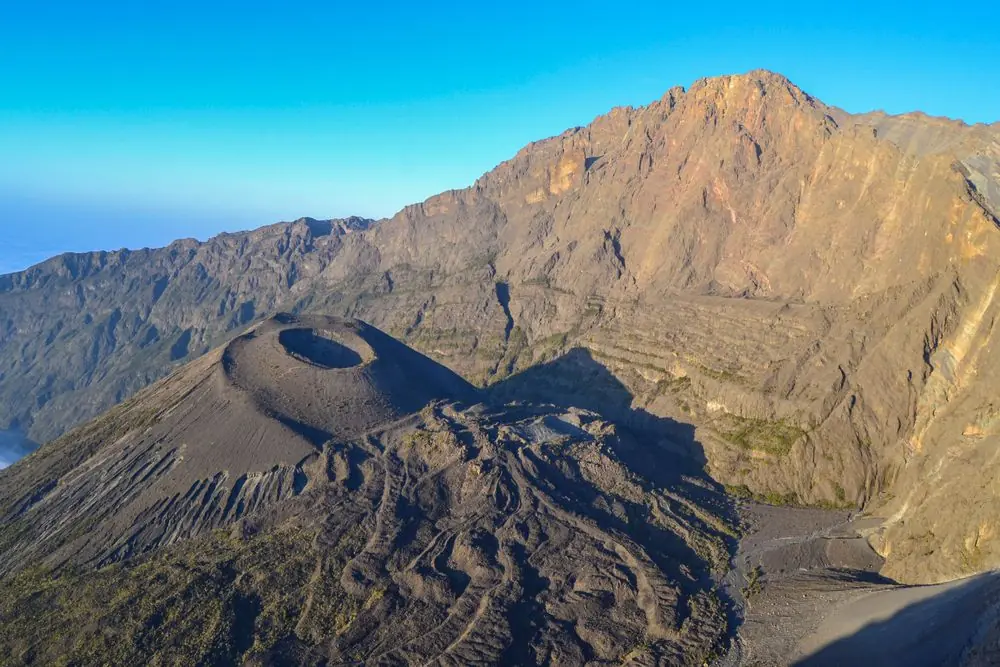
Mount Meru is 4th highest mountain Africa’s ! the second highest peak in Tanzania after Mount Kilimanjaro, which is just 60 km away and forms a backdrop to views from the park to the east. Arusha National Park lies on a 300-kilometre axis of Africa’s most famous national parks, running from Serengeti and Ngorongoro Crater in the west to Kilimanjaro National Park in the east. Recommended 4-day climb. One of Africa’s most rewarding climbs, offering spectacular scenery, and guaranteed wildlife animals encounters on its forested slopes.
This crater, located inside the Arusha National Park and stretching 3 km’s across, is a steep-sided bowl, surrounded by riverine forest, while the crater floor is a lush swamp. The crater with its many visible animal trials, provides a natural sanctuary to many African animals, including elephant, African buffalo, a variety of monkeys and baboons, as well as birds like hamerkop, spur-winged geese and herons. It is however unfortunately prohibited to descend down to the bottom of the crater. To the west of the crater lies Serengeti Ndogo or “Little Serengeti”, consisting of an extensive grassland plain and it is one of the few places in the game reserve, where Zebra can be encountered.
The Momela lakes, also located inside the Arusha National Park, are shallow alkaline lakes and are made up of seven lakes, being big Momela, small Momela, El Kekhotoito, Kusare, Rishateni, Lekandiro and Tulusia. All seven lakes are mainly fed by separate underground water sources. Due to the varying mineral content of these underground sources, each lake supports a different type of algae growth, resulting in uniquely differently colored lakes. Because these lakes are alkaline, the water is not utilized by animals for drinking, but they do however attract a wide variety of African bird life, particularly flamingos. It is on Small Momella Lake that canoeing safaris are possible.
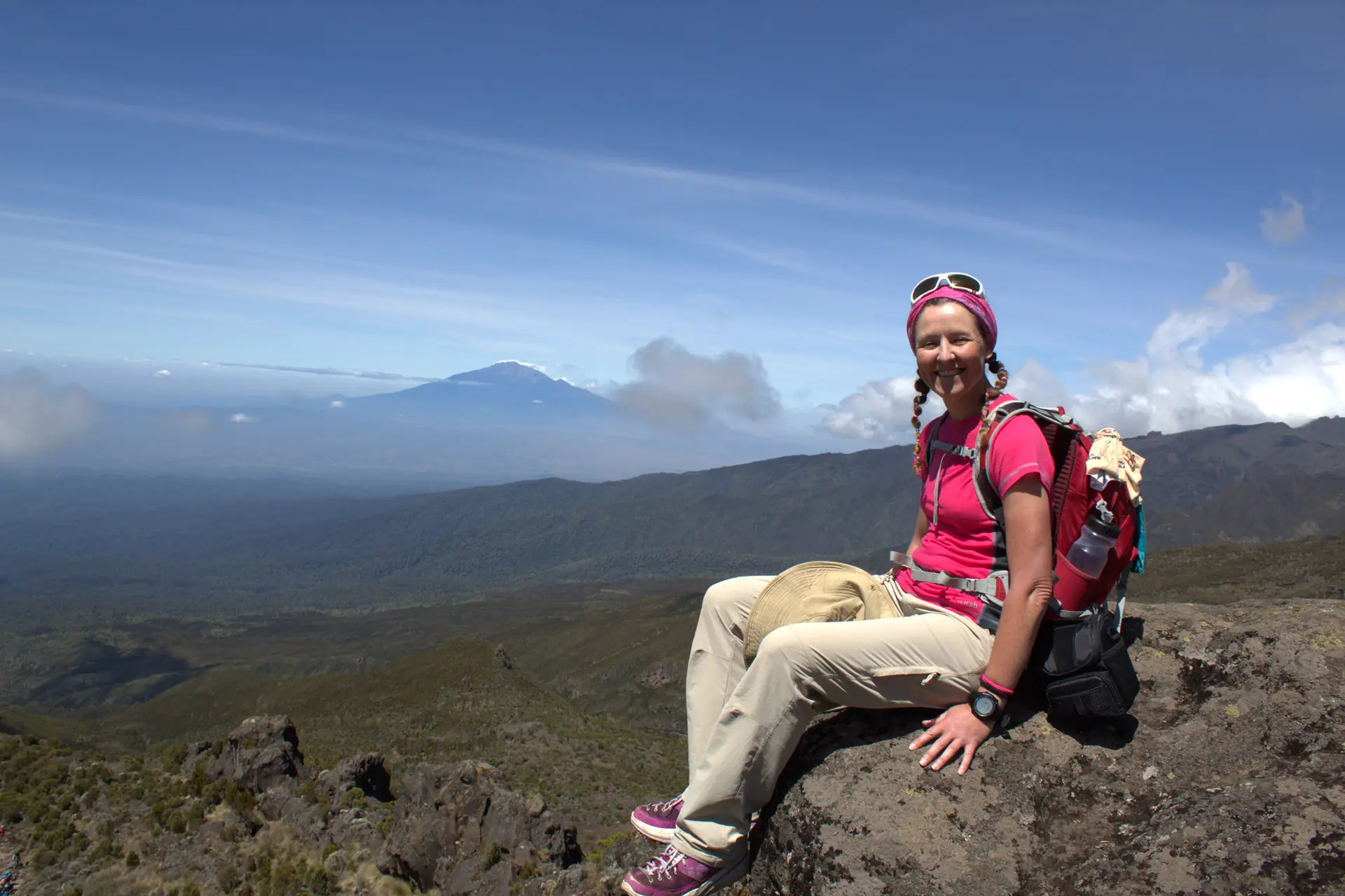
Year round for game activities – for climbing Mount Meru the same goes as for Mt. Kilimanjaro; July – early October and December – early March.
Two lodges, two rest houses, camp sites, two mountain huts inside the park; There are several tented camps and luxury lodges available around the Arusha National Park