
Parco nazionale del Serengeti

Parco nazionale del Serengeti

Le infinite pianure della Tanzania

Savane sconfinate e la celebre Grande Migrazione. Il Serengeti ospita i Big Five e la sua area centrale di Seronera è uno degli habitat più ricchi di fauna della Tanzania.

Informazioni su Parco nazionale del Serengeti

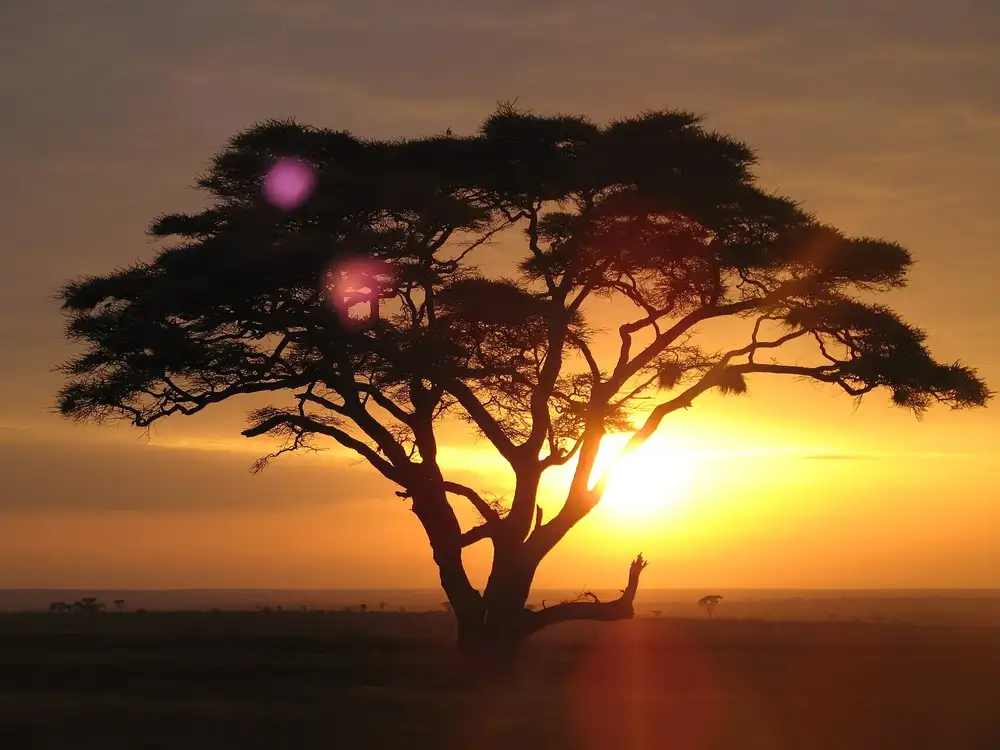
Il Serengeti è il parco nazionale più antico e più famoso della Tanzania, un vasto ecosistema di pianure aperte, kopje, boschi lungo i fiumi e savana di acacie. Il suo nome deriva dalla parola masai che significa «pianure infinite».

Il parco è abbastanza grande da offrire esperienze di safari molto diverse a seconda della zona e della stagione: Seronera, al centro, per l'osservazione degli animali tutto l'anno; il sud e Ndutu per la stagione dei parti; il corridoio occidentale; e il nord per gli attraversamenti dei fiumi.

Fauna

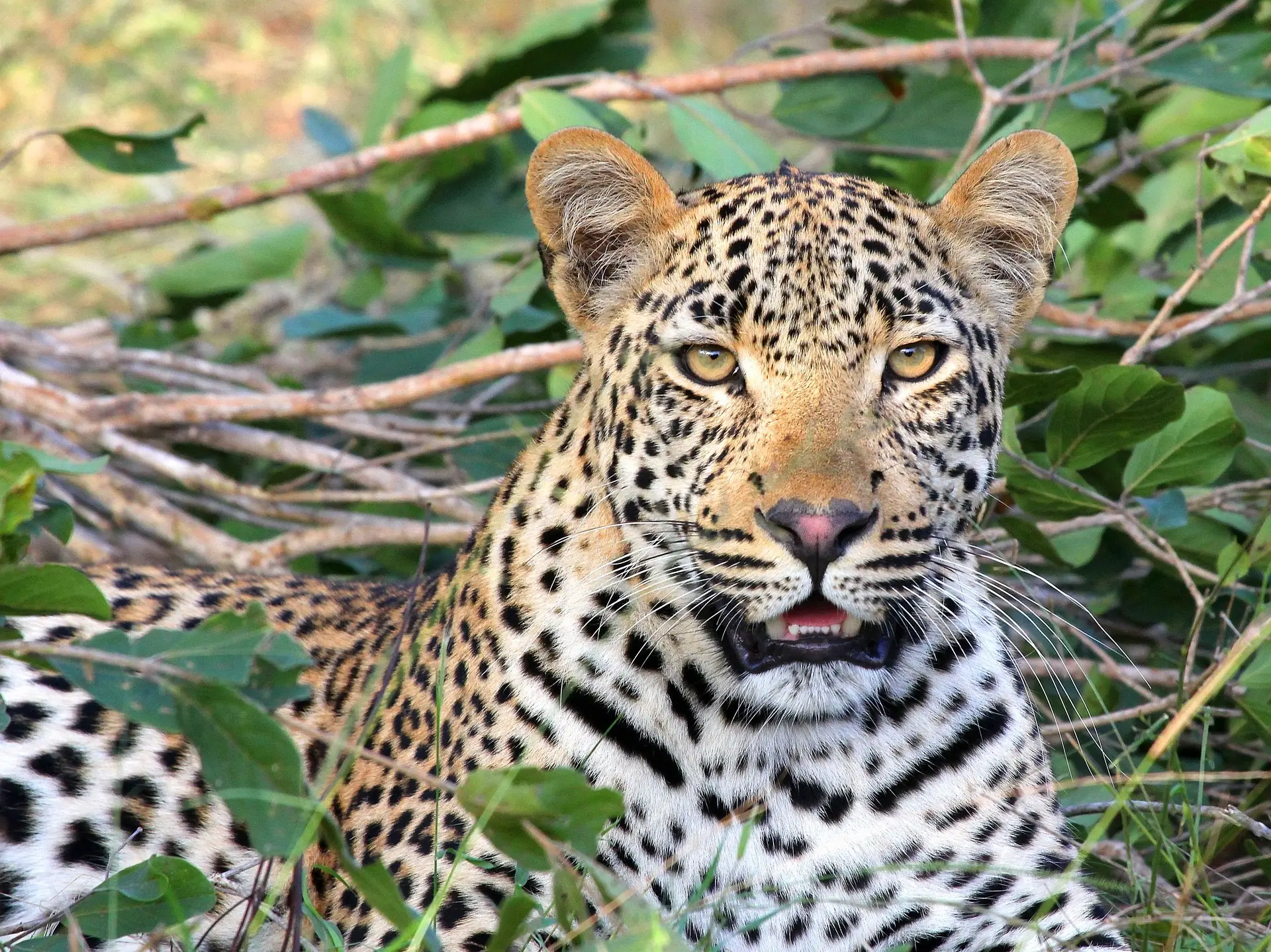
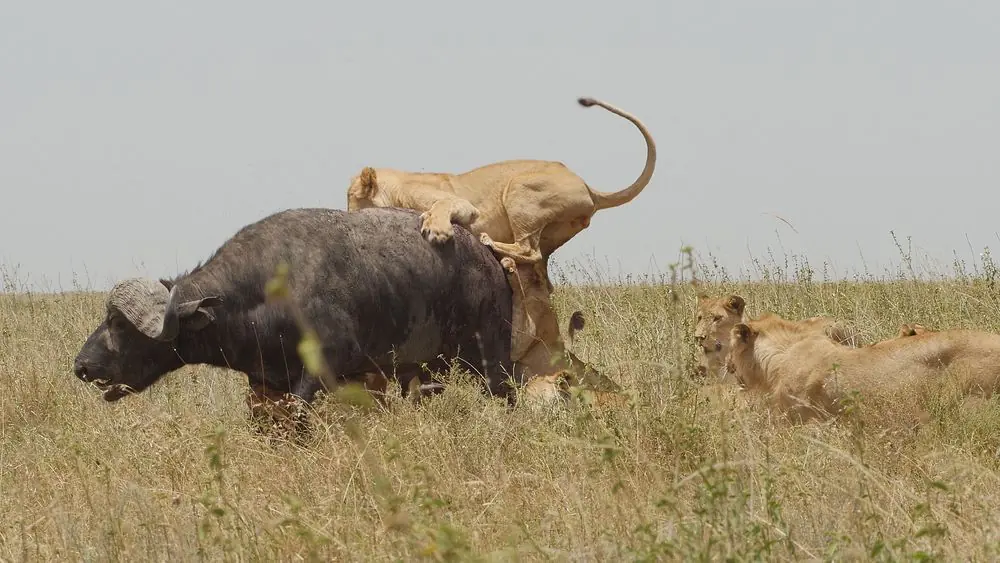
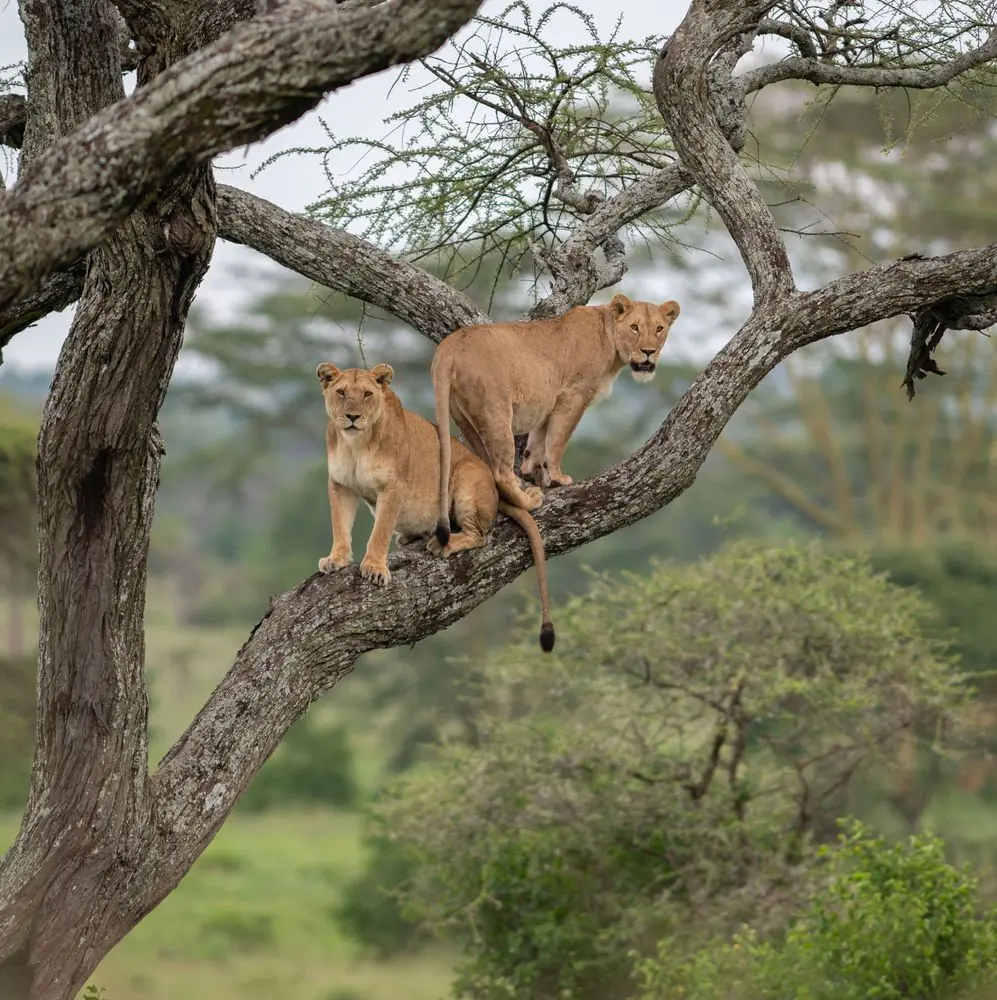
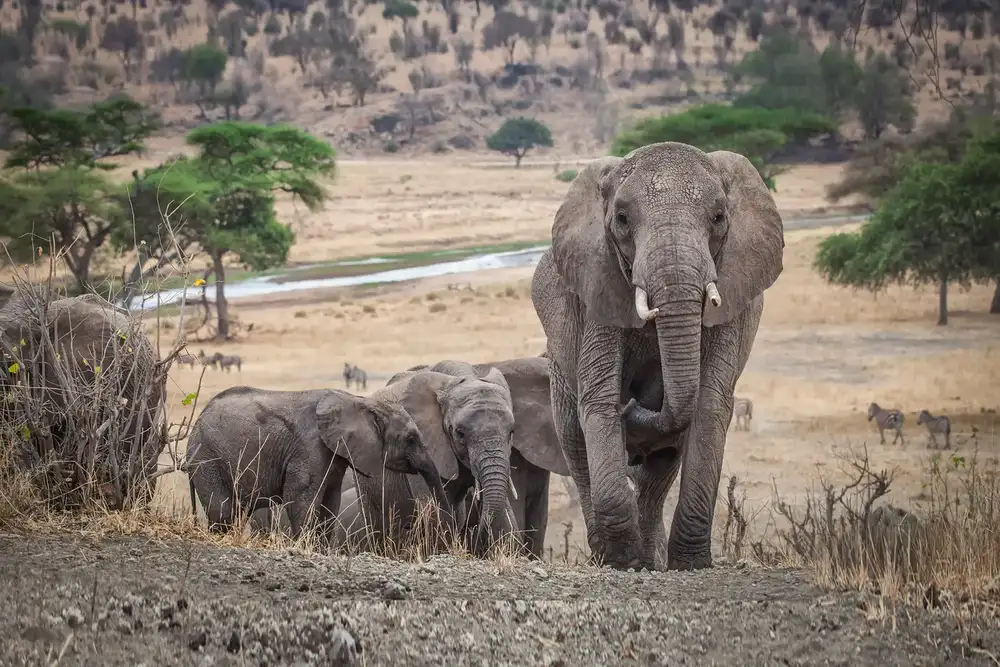
Qui vivono leoni, leopardi, ghepardi, elefanti, bufali, giraffe, ippopotami, coccodrilli, zebre, iene e diverse specie di antilopi, insieme a più di 500 specie di uccelli censite. La valle del fiume Seronera è uno dei posti migliori della Tanzania per vedere i grandi felini.

Grande Migrazione

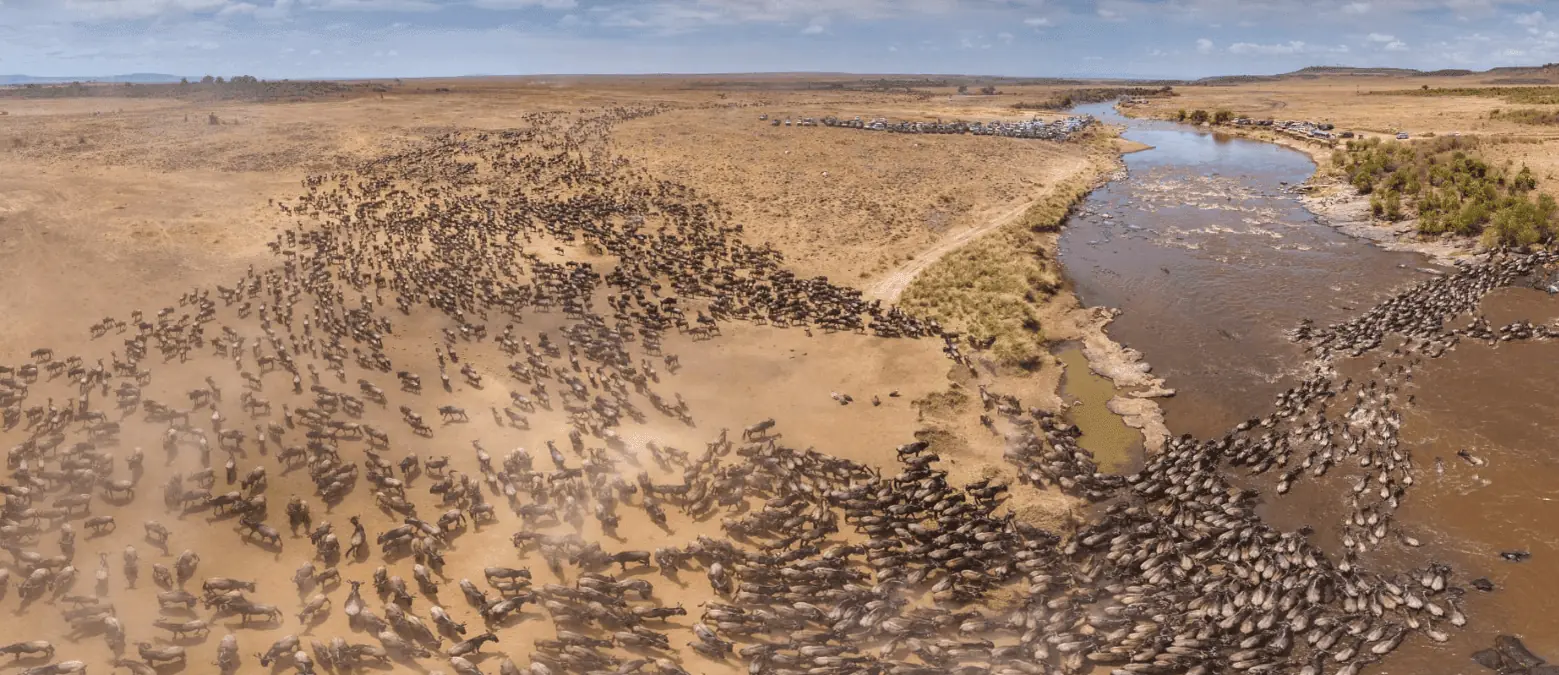
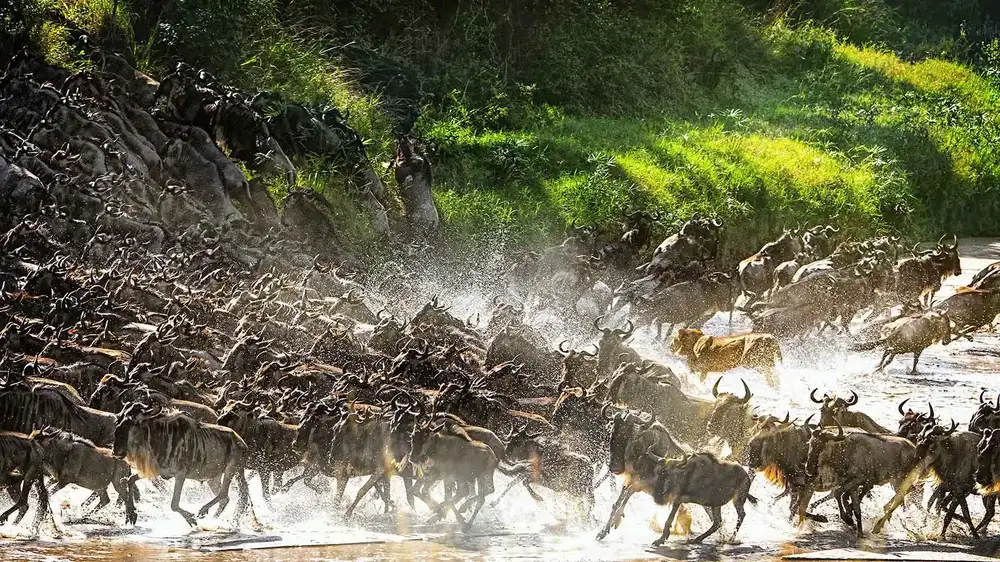
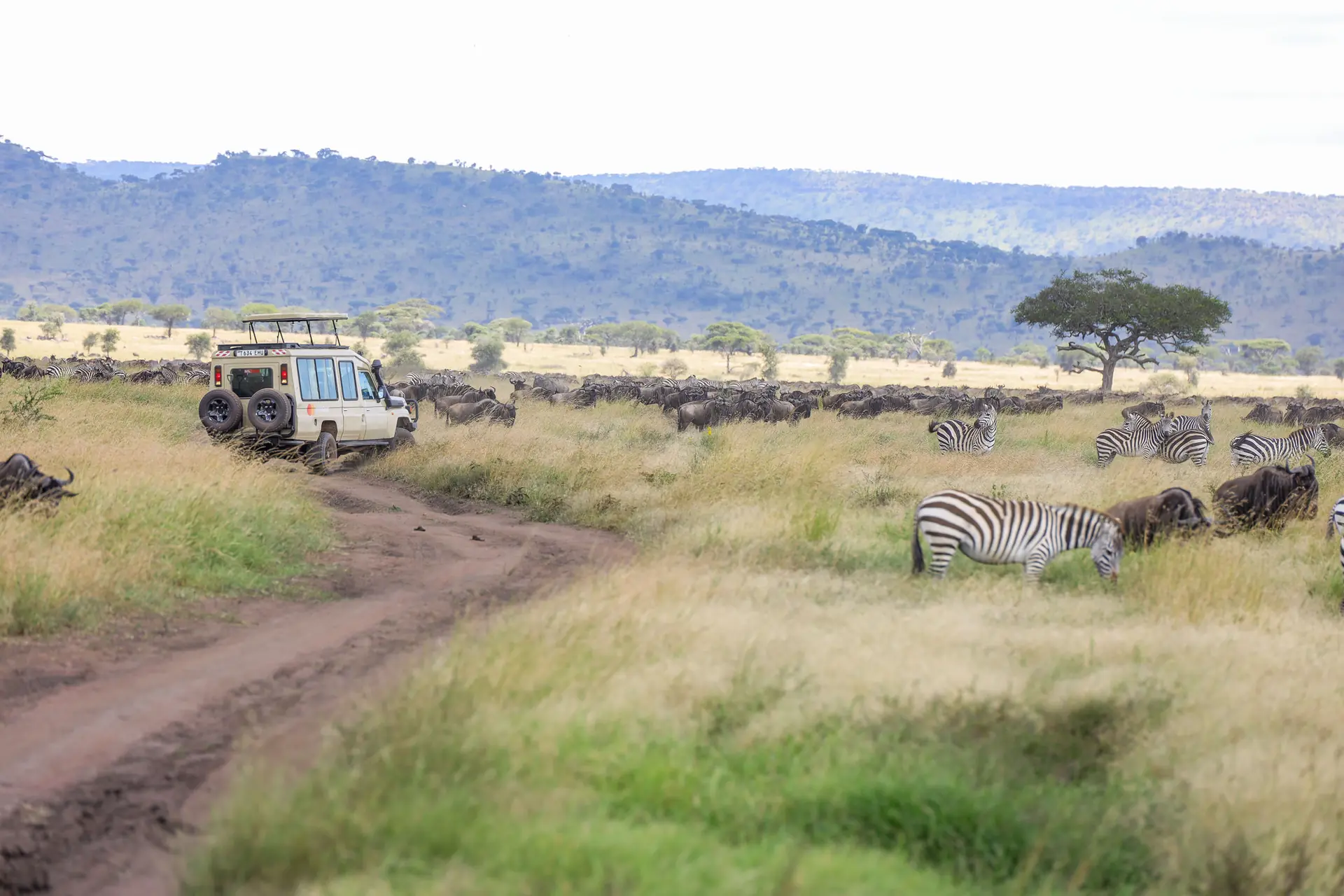
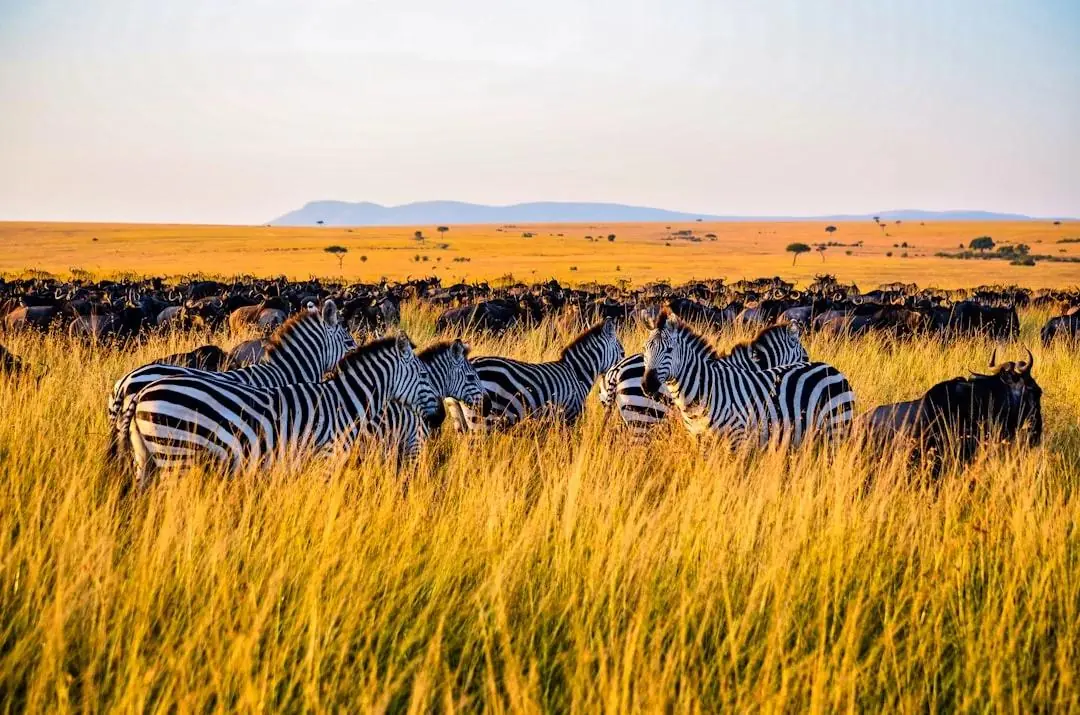
Più di un milione di gnu, insieme a zebre e gazzelle, seguono le piogge lungo un percorso più o meno circolare attraverso il Serengeti e il Masai Mara in Kenya. Dove si trovano dipende dal periodo dell'anno.

La stagione dei parti va di solito da gennaio a marzo nelle pianure meridionali intorno a Ndutu. Gli attraversamenti dei fiumi nel nord, intorno a Kogatende e al fiume Mara, si osservano di solito tra luglio e ottobre. Le mandrie si spostano, perciò pianifichiamo in base alla posizione più probabile e la confermiamo a ridosso della data di viaggio.

KenyaTanzaniaMara RiverGrumeti RiverLake VictoriaSERENGETILake NatronOl Doinyo LengaiLake EyasiMaswaLoliondoNMasai MaraKogatendeWestern CorridorSeroneraMoru KopjesNdutuLoboNgorongoro Crater

Assisti alla Grande Migrazione

Jan

Nascite nelle pianure meridionali

Intorno a Ndutu e nel Serengeti meridionale le mandrie si radunano sulle pianure a erba corta e nascono i piccoli, di solito da gennaio a marzo.

Solo uno schema tipico. Le mandrie seguono la pioggia, quindi i tempi cambiano ogni anno. Mappa illustrativa, non adatta alla navigazione.

Periodo migliore per visitare

Il Serengeti si può visitare tutto l'anno. La stagione secca, da giugno a ottobre, è il momento più facile per l'osservazione generale degli animali. Da gennaio a marzo è indicato per la stagione dei parti nel sud, da luglio a ottobre per gli attraversamenti dei fiumi nel nord. Le piogge lunghe di aprile e maggio significano paesaggi più verdi, meno veicoli e tariffe più basse per l'alloggio.

Dove alloggiare

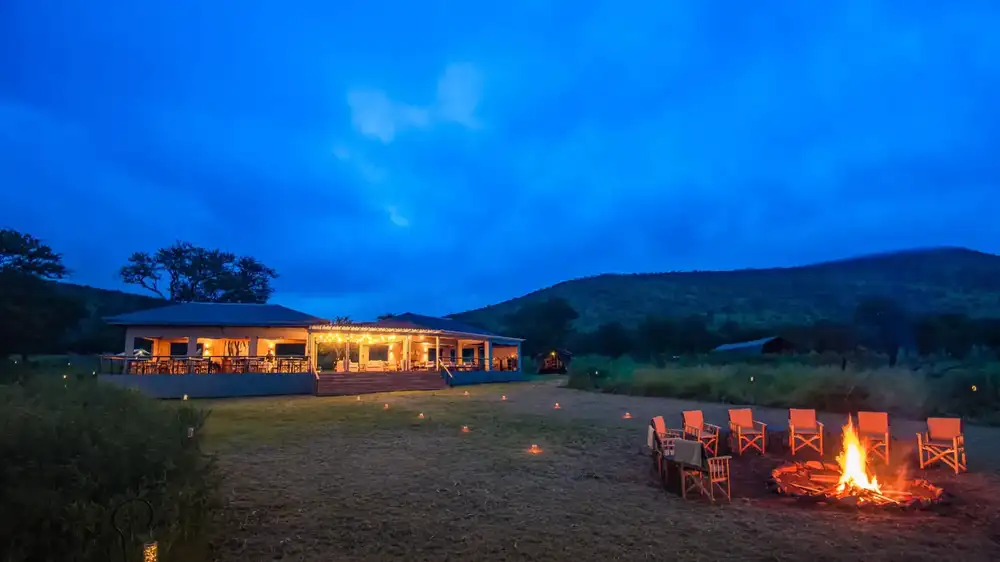
Si può scegliere tra lodge, campi tendati permanenti e campi mobili. Soggiornare nella zona in cui si trovano le mandrie evita lunghi trasferimenti, perciò il campo giusto dipende dalle date.

Vedi tutti gli alloggi

Cosa fare

  1. Game drive all'alba e nel tardo pomeriggio
  2. Sulle tracce della Grande Migrazione
  3. Volo in mongolfiera all'alba (facoltativo)
  4. Colazione o cena nella savana
  5. Visita alla gola di Olduvai all'andata o al ritorno

Come arrivare

Da Arusha il viaggio su strada richiede un'intera giornata e di solito si abbina a una sosta a Tarangire, al lago Manyara o al Ngorongoro lungo il percorso. Volare è più veloce: voli di linea e charter atterrano sulle piste di tutto il parco, soluzione adatta a chi ha poco tempo.
Durata consigliata del safari

Almeno tre notti; con quattro o cinque notti si può visitare più di una zona.

Itinerari che visitano Parco nazionale del Serengeti

Domande frequenti

La Grande Migrazione è un evento unico?

No. È uno spostamento che dura tutto l'anno, con momenti salienti diversi nei vari mesi: i parti nel sud, il corridoio occidentale e gli attraversamenti dei fiumi nel nord.

Si possono vedere i Big Five nel Serengeti?

Leoni, leopardi, elefanti e bufali si vedono regolarmente. I rinoceronti neri sono rari e di solito si vedono nel cratere del Ngorongoro.

Richiedi un preventivo

Raccontaci cosa hai in mente e ti risponderemo con consigli onesti e un preventivo su misura.

1 I tuoi dati
2 Il tuo viaggio
3 Richieste speciali

* obbligatorio

Tutte le destinazioni

Maggiori dettagli

Questo testo è disponibile solo in inglese.

Serengeti: A Maasai word means that “An endless plain or where the land proceeds onward for eternity”

Serengeti National Park, an incomprehensible and lovely field of 14,763 square kilometers, is maybe the world’s most well-known untamed life asylum. A World Heritage Site and Biosphere Reserve, the Serengeti bolsters the biggest convergence of field diversion on the planet. Notwithstanding viewing the inconceivable parade of practically more than two million wildebeest and zebra that happens every year from early December in the South piece of the Serengeti (Ndutu Area) consistently, many individuals additionally visit the Serengeti to look for enormous felines.

Facts about Serengeti National Park

The Safari to Tanzania would be and in fact, it is incomplete without going to the Serengeti National Park . This is one of a kind sanctuary on the planet and one of the World Heritage Sites since 1972. With an area of 14,763 sq. km. the Park has numerous beautiful components: Grassland Savannah fields, wild, kopjes, more than 500 types of winged animals, etc. By the by, the most outstanding element is its fauna. It contains the best residual grouping of fields game in Africa and on a scale that has no equals on the planet.

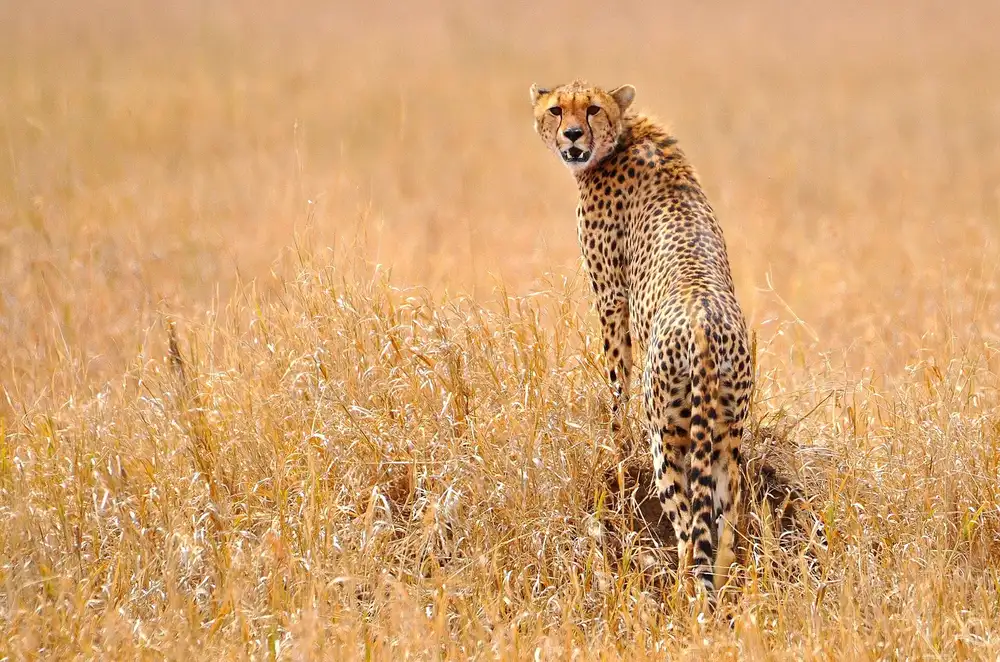
The park is the second largest park after Ruaha National Park and obviously the best park in Tanzania and East Africa . Extensive crowds of wild ox, gatherings of elephants and giraffes, and numerous countable quantities of topi, eland, impala, kongoni, give’s gazelle are accessible for seeing whenever of the year. The three major felines (Lions. Panthers and Cheetahs can likewise be seen. As normal lions are frequently discovered murdering something, if not an impala, it is a wildebeest or a zebra, and so forth. Cheetahs are extremely normal on the southeastern fields, while panthers can regularly be discovered resting lethargically in one of the vast trees close to Seronera River.

The Great Wildebeest Migration

The Serengeti National Park is notable for its yearly wildebeest movement when more than 2 million wildebeest joined by around 500,000 Thomson gazelles and around 200,000 zebras cross the Mara River yearning for new waters and fields.

Size And Location

  • The coverage area of 14,763 square kilometers
  • Located in Northern Tanzania at the following coordinates: 2.1540° S, 34.6857° E

Getting There

The best option to get there is to fly into Kilimanjaro International Airport (JRO) which is situated about 50km from Arusha. It is also possible to fly into Julius Nyerere International Airport (DAR), just outside of Dar es Salaam, and use a domestic flight to get to Arusha Airport (ARK). You can also opt to fly to Nairobi in Kenya at Jomo Kenyatta International Airport, NBO Wilson Airport, or Moi Air Base and take a shuttle transfer to Arusha about 300KM

From Arusha by road or scheduled flight to Serengeti.

What To Do

Game review, Cultural visits, picnicking and outdoors, shrubbery lunch/supper, expand safaris,

When To Go

The recreation center offers great natural life seeing consistently. June to October is the greatest month for seeing the movement including Mara River Crossing and February is the greatest month for the wildebeest calving. The dry season begins in June and ends in January every year and these months are best for broad game review.

Accommodation

  • Four Seasons Safari Lodge Serengeti, a 5-star hotel
  • Serengeti Serena Safari Lodge
  • Serengeti Sopa Lodge
  • Mapito Tented Camp
  • Ikoma Tented Camp

Parco Nazionale del Serengeti

Serengeti National Park is undoubtedly the best-known wildlife sanctuary in the world, unequalled for its natural beauty and scientific value, it has the greatest concentration of plains game in Africa

Serengeti Wildebeests Migration Map

The Serengeti National Park in Tanzania was established in 1952. It is home to the greatest wildlife spectacle on earth – the great migration of wildebeest and zebra. The resident population of lion, cheetah, elephant, giraffe, and birds is also impressive. There’s a wide variety of accommodation available, from luxury lodges to mobile camps. The park covers 5,700 sq miles, (14,763 sq km), it’s larger than Connecticut, with at most a couple hundred vehicles driving around.

The Park can be divided into 3 sections. The popular southern/central part (Seronera Valley), is what the Maasai called the “serengit”, the land of endless plains. It’s classic savannah, dotted with acacias and filled with wildlife. The western corridor is marked by the Grumeti River, and has more forests and dense bush. The north, Lobo area, meets up with Kenya’s Masai Mara Reserve, is the least visited section.

Two World Heritage Sites and two Biosphere Reserves have been established within the 30,000 km² region. It’s unique ecosystem has inspired writers from Ernest Hemingway to Peter Mattheissen, filmakers like Hugo von Lawick and Alan Root as well as numerous photographers and scientists

The Serengeti ecosystem is one of the oldest on earth. The essential features of climate, vegetation and fauna have barely changed in the past million years. Early man himself made an appearance in Olduvai Gorge about two million years ago. Some patterns of life, death, adaptation and migration are as old as the hills themselves.

It is the migration for which Serengeti is perhaps most famous. Over a million wildebeest and about 200,000 zebras flow south from the northern hills to the southern plains for the short rains every October and November, and then swirl west and north after the long rains in April, May and June. So strong is the ancient instinct to move that no drought, gorge or crocodile infested river can hold them back.

The Wildebeest travel through a variety of parks, reserves and protected areas and through a variety of habitat. Join us to explore the different forms of vegetation and landscapes of the Serengeti ecosystem and meet some of their most fascinating inhabitants.