


15giorniTour combinati
Tour combinato di 15 giorni nel nord della Tanzania
Arusha · Tarangire · Serengeti · Ngorongoro · Lago Eyasi · Lago Manyara · ArushaAlloggio: Lodge e campi tendati
Prezzo su richiesta
Vedi l'itinerario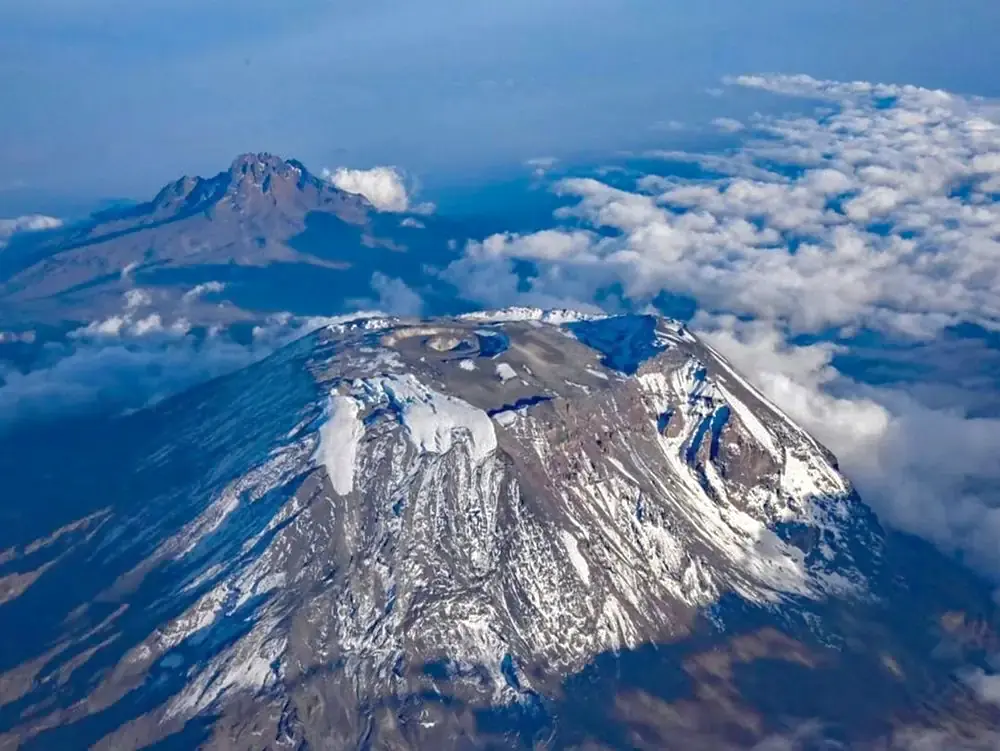
Salite sulla montagna più alta d'Africa, poi riposate le gambe nei fotosafari a Tarangire, nel Serengeti e nel cratere di Ngorongoro. Un solo viaggio, organizzato e seguito da un solo team.
Sali sul Kilimangiaro per la via Rongai, l'unica che si avvicina da nord, poi prosegui in safari verso il Serengeti.
Ogni itinerario può essere personalizzato, con sistemazioni economiche, di fascia media o di lusso.
Giorno di arrivo
Accoglienza all'aeroporto del Kilimangiaro e trasferimento al vostro hotel a Moshi o Arusha. Alle 17:30 briefing pre-salita e controllo dell'attrezzatura, oltre alla verifica della copertura sanitaria e dell'assicurazione.
Notte 1 Pernottamento (o simile)


Giorno 1
In auto fino all'ingresso di Rongai, vicino al confine con il Kenya, poi a piedi nella foresta fino al limite della brughiera, con vista sulla pianura. Mezza giornata di cammino.
Giorno 2
Salita costante fino alla Second Cave, poi attraverso la brughiera verso le guglie frastagliate del Mawenzi.
Giorno 3
Una salita breve e ripida su pendii erbosi fino a un campo sotto le guglie del Mawenzi. Il pomeriggio è libero per riposare e acclimatarsi.
Giorno 4
Attraversamento del deserto lunare della sella tra Mawenzi e Kibo, poi riposo prima del tentativo di vetta.
Giorno 5
Partenza verso l'1 di notte con la frontale fino a Gillman's Point per l'alba, poi Uhuru Peak se vi sentite forti. Discesa a Kibo Hut per il pranzo e proseguimento fino a Horombo Hut.
Giorno 6
Festa con la vostra squadra, poi discesa all'ingresso di Marangu per ritirare il certificato: verde per Gillman's Point, oro per Uhuru Peak. Trasferimento ad Arusha.
Giorno 7
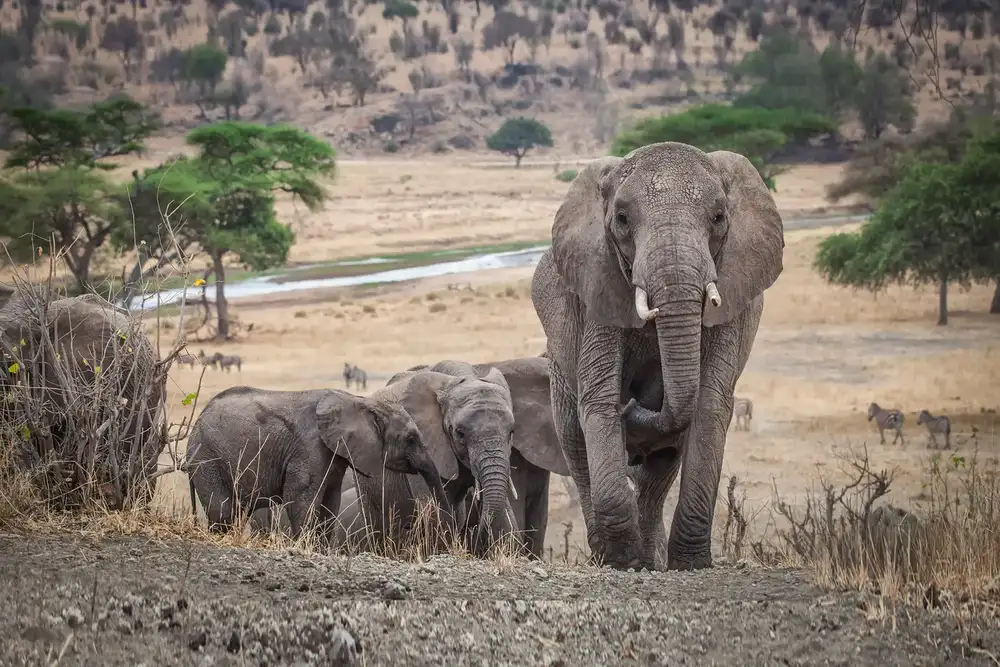
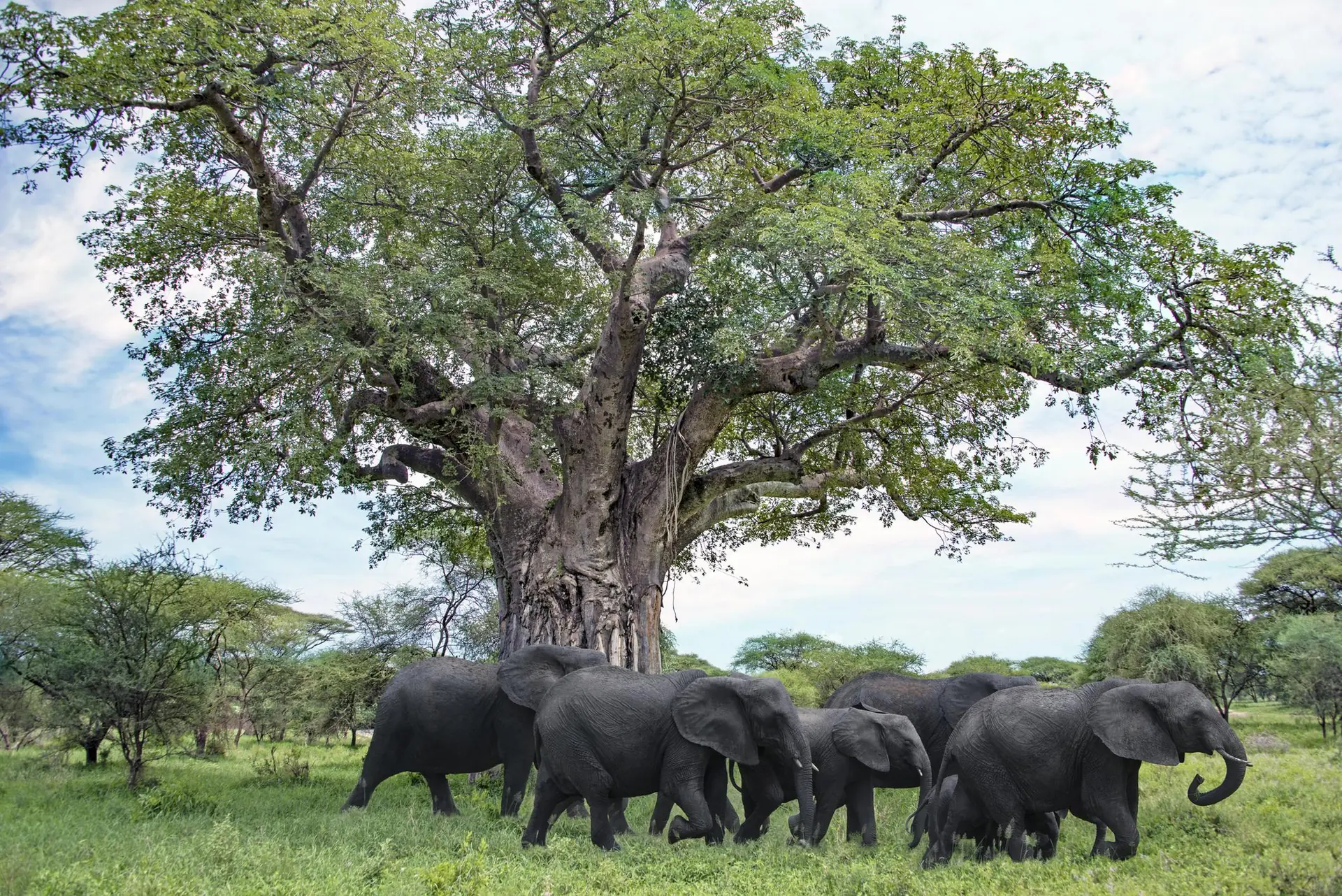
Trasferimento a Tarangire per osservare gli animali lungo il fiume Tarangire, perenne, uno dei posti migliori per la fauna nella stagione secca.
Notte 2 Pernottamento (o simile)
Giorno 8
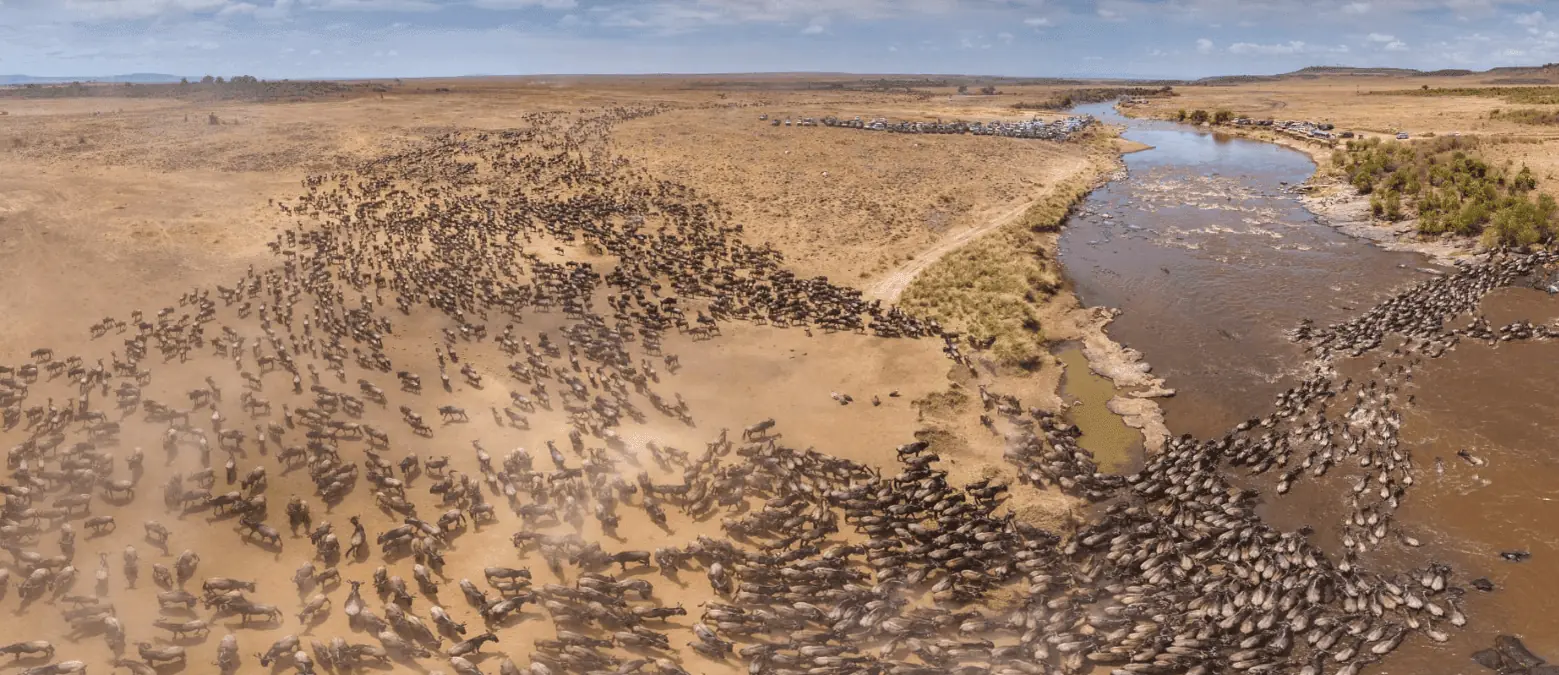
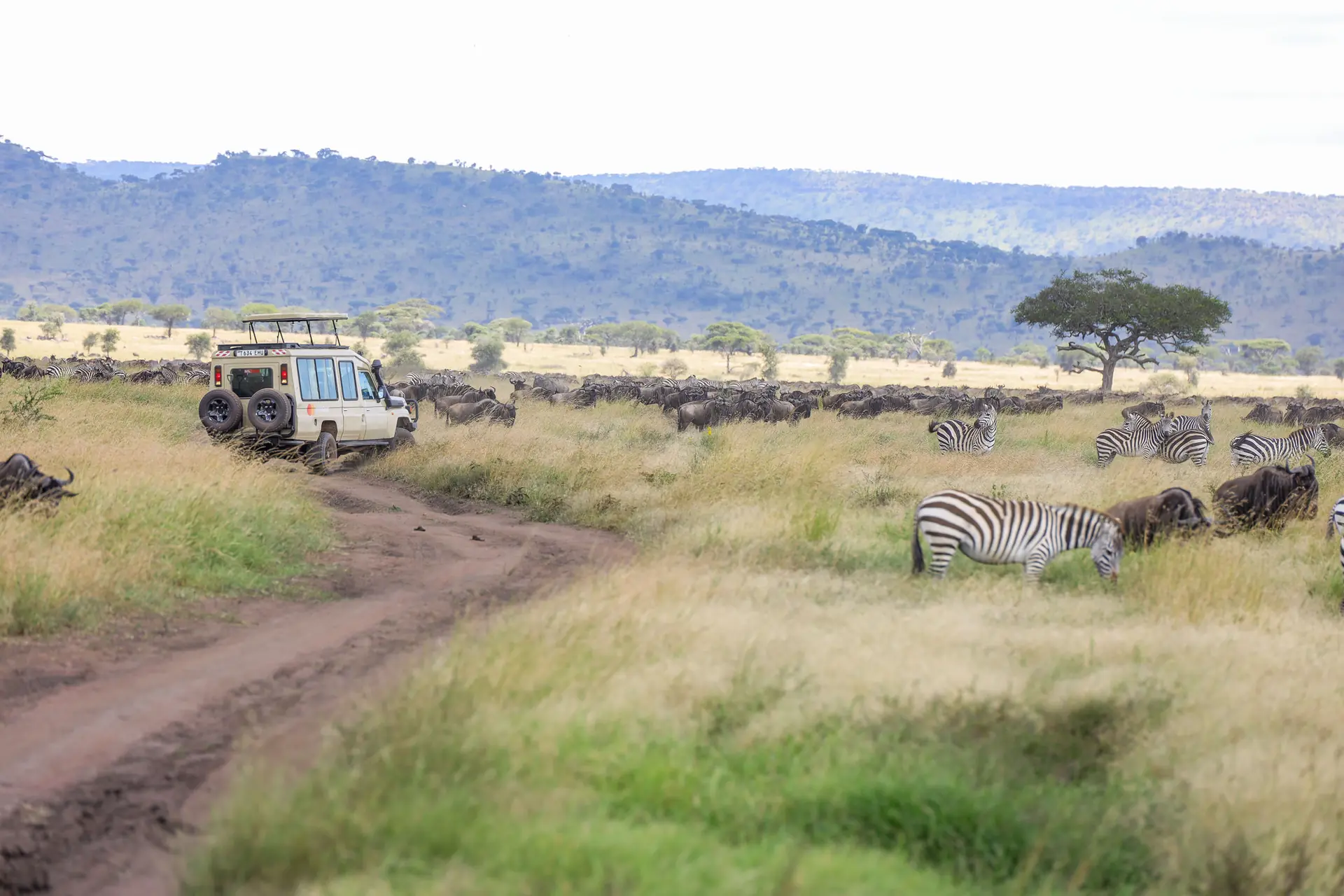
Visita al museo della gola di Olduvai, dove i Leakey fecero importanti scoperte, poi game drive nelle pianure del Serengeti. Da dicembre a febbraio di solito si incontra la migrazione.
Notte 3 Pernottamento (o simile)
Giorno 9
Partenza presto per sfruttare la giornata: pozza degli ippopotami, branchi di leoni, kopje e fauna della savana, con le mandrie se il periodo è quello giusto.
Notte 4 Pernottamento (o simile)
Giorno 10
Un game drive mattutino, poi l'Area di Conservazione del Ngorongoro, dove i masai portano al pascolo il bestiame accanto alla fauna selvatica. Viste dal bordo e una prima discesa nel cratere.
Notte 5 Pernottamento (o simile)

Giorno 11
Discesa di circa 600 metri per un game drive di un'intera giornata tra foresta, riva del lago e savana aperta, con pranzo al sacco sul fondo del cratere.
Notte 6 Pernottamento (o simile)
Giorno 12
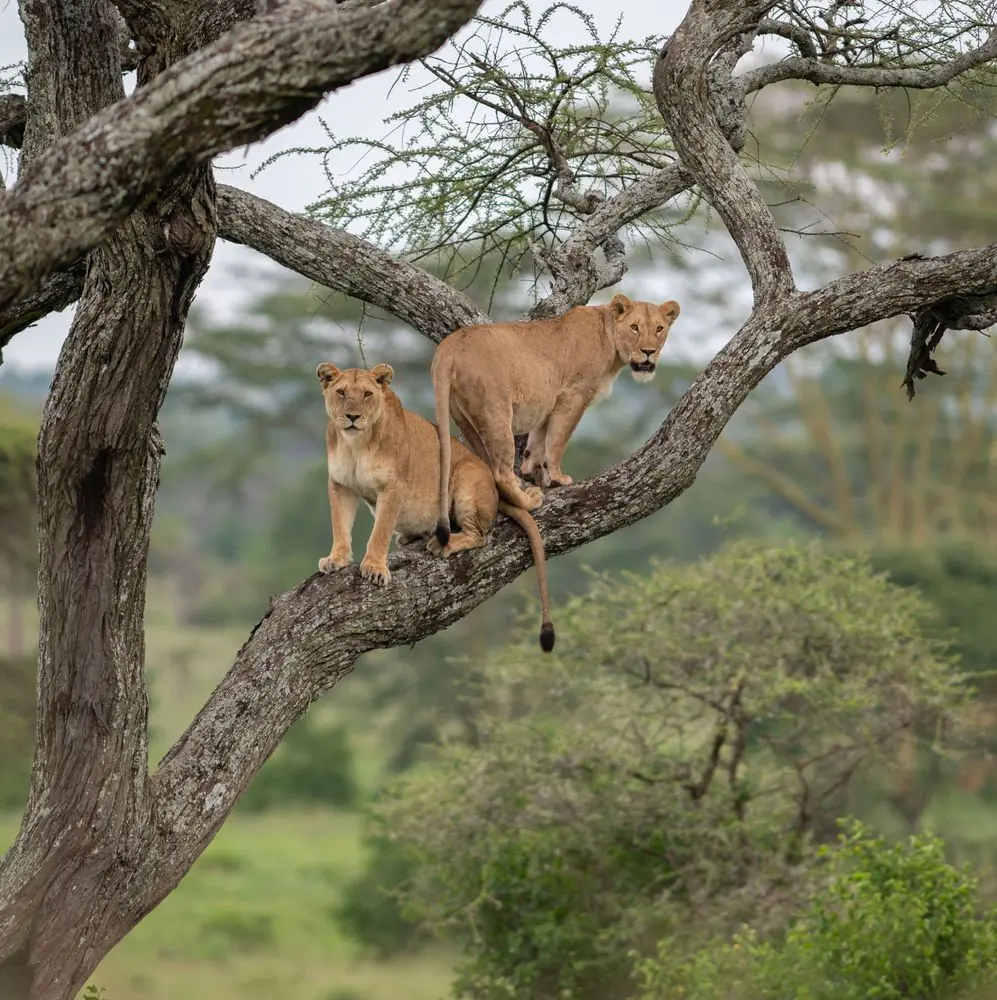
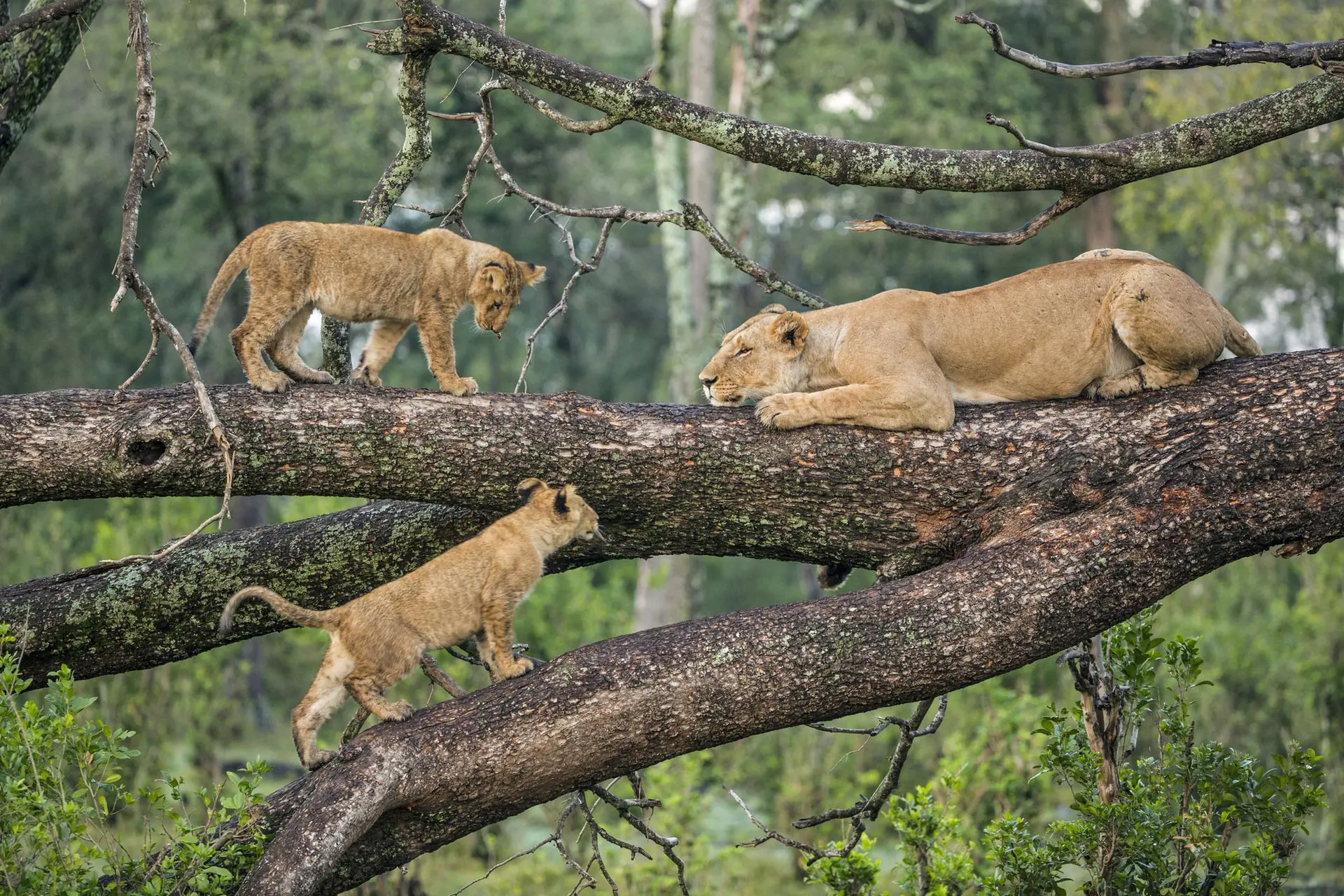
Un game drive nel Parco Nazionale del Lago Manyara, con oltre 350 specie di uccelli e leoni che si arrampicano sugli alberi, poi direttamente all'aeroporto del Kilimangiaro per il volo serale.
Monte Kilimangiaro
Tipo di camera: Confermato nel preventivo
Trattamento: Confermato nel preventivo

Cratere del Ngorongoro
Tipo di camera: Confermato nel preventivo
Trattamento: Confermato nel preventivo
Parco nazionale del Serengeti
Tipo di camera: Confermato nel preventivo
Trattamento: Confermato nel preventivo
Cratere del Ngorongoro
Tipo di camera: Confermato nel preventivo
Trattamento: Confermato nel preventivo
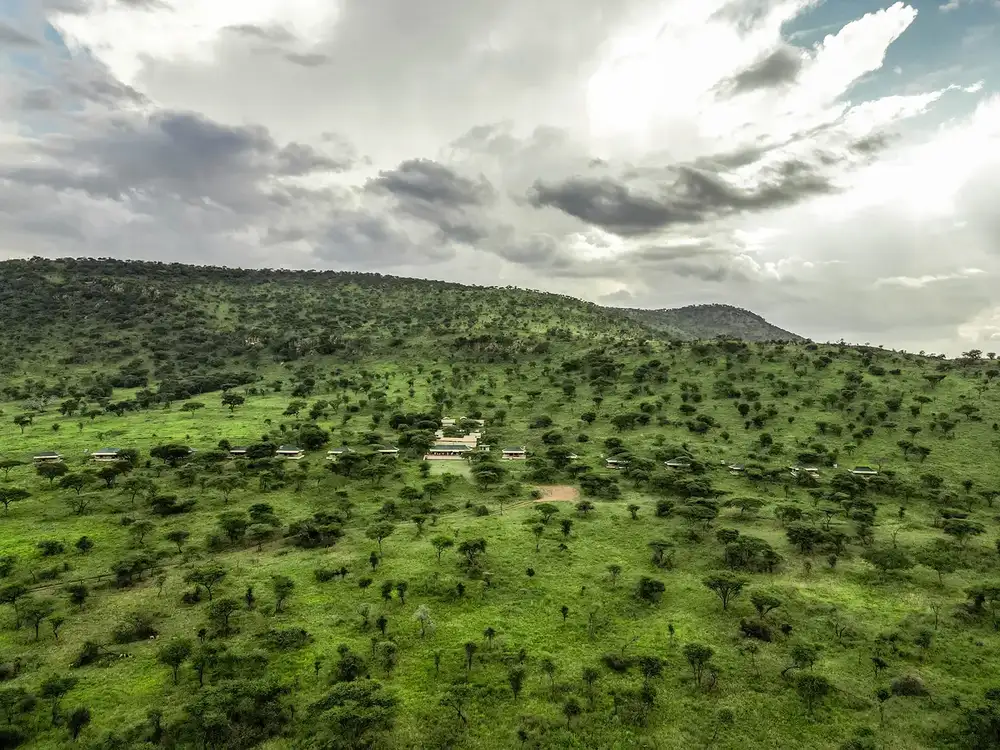
Lodge e campi sono indicati «o simili». Le foto mostrano la zona; il preventivo indica le camere esatte.
Mostriamo solo recensioni autentiche e verificabili, delle piattaforme su cui i nostri ospiti le hanno scritte.
No. Il Kilimangiaro è un trekking, non una scalata tecnica, e non richiede attrezzatura speciale né capacità alpinistiche. Bisogna però essere in forma.
Sul percorso Machame di sette giorni più del 95% dei nostri partecipanti raggiunge la cima, grazie al giorno supplementare di acclimatamento e a un'accurata pianificazione. Sui percorsi più brevi le percentuali di successo sono più basse.
Sì. Per la scalata è obbligatoria un'assicurazione completa di viaggio e spese mediche.
No. Le mance per le guide, i portatori e il cuoco sono consuetudine e non sono incluse nel prezzo.
Sì. È una combinazione molto richiesta e pianifichiamo noi l'intero viaggio. Vedere le nostre pagine Safari + Kilimangiaro e Safari + Zanzibar.
Raccontaci cosa hai in mente e ti risponderemo con consigli onesti e un preventivo su misura.
Caparra, metodi di pagamento, cancellazione e rimborsi sono indicati nelle nostre condizioni di prenotazione. Leggi le condizioni di prenotazione
Alloggio: Lodge e campi tendati
Prezzo su richiesta
Vedi l'itinerarioAlloggio: Lodge e campi tendati
Prezzo su richiesta
Vedi l'itinerarioAlloggio: Lodge e campi tendati
Prezzo su richiesta
Vedi l'itinerarioAlloggio: Hotel e lodge sul bordo del cratere
Prezzo su richiesta
Vedi l'itinerarioAlloggio: Lodge o campo, come da preventivo
Prezzo su richiesta
Vedi l'itinerarioAlloggio: Campeggio in montagna
Prezzo su richiesta
Vedi l'itinerarioQuesto testo è disponibile solo in inglese.
The Rongai route is the only route that approaches Kilimanjaro from the north, close to the border of Kenya and Tanzania . The Rongai Route is more scenic than the Marangu Route and easier than other camping route in climbing Kilimanjaro.
Though gaining popularity amongst climbers, this route still experiences low crowds, Rongai has a more gradual slope than the mountain’s other routes. It is the preferred route for those looking for an alternative to the popular Marangu route, for those who would like a more remote hike.
And for those who are climbing during the rainy season (the north side receives less precipitation). Rongai is a moderately difficult route, and is highly recommended, especially for those with less backpacking experience.
Met on arrival anytime at Kilimanjaro International Airport, transfer to Hotel in Arusha town or Moshi town. We stay at Kilimanjaro mountain resort in Moshi ,the hotel located at lower slop of Mt Kilimanjaro or Ilboru Safari Lodge in Arusha. The hotel olso located on the lower slopes of Mt Meru which is very beautiful Hotel, a perfect place to prepare for your adventure. We will gather in the evening at 5:30 pm for a pre-climb briefing and an equipment check. We will also confirm you have the appropriate mandatory medical coverage and travel insurance.
Dinner and overnight at Kilimanjaro Mountain Resort: Half board.
After an early breakfast in Marangu, you will drive to Rongai (Nalemoru) Gate near Kenya border. We begin our climb on this unspoilt wilderness route. The walk then starts to climb consistently, but gently through attractive forest that shelters a variety of wildlife. The forest begins to thin out and the first camp is at the edge of the moorland zone (2600 m.) with extensive views over the Kenyan plains. The first day is only a half-day walk. [3-4 hours walking]
The morning walk is a steady ascend up to the ‘Second Cave’ (3,450 m.) with superb views of Kibo and the Eastern icefields on the crater rim. After lunch, we leave the main trail and strike out across the moorland on a smaller path towards the jagged peaks of Mawenzi. Our “Upper Kikelewa” campsite is on a small plateau above a sheltered valley with giant senecios past Kikelewa Caves (3,750 m.) [7-8 hours walking]
A short but steep climb up grassy slopes is rewarded by superb all round views and a tangible sense of wilderness. We leave vegetation behind shortly before reaching the next camp at “Mawenzi” (4,300 m.), spectacularly situated beneath the towering spires of Mawenzi. The afternoon will be free to rest or explore the surrounding area as an aid to acclimatisation. [3-4 hours walking]
We cross the lunar desert of the saddle between Mawenzi and Kibo to reach Kibo Hut (15,400 ft) at the bottom of the crater wall. The remainder of the day is spent resting in preparation for an early morning final ascent. [5-6 hours walking]
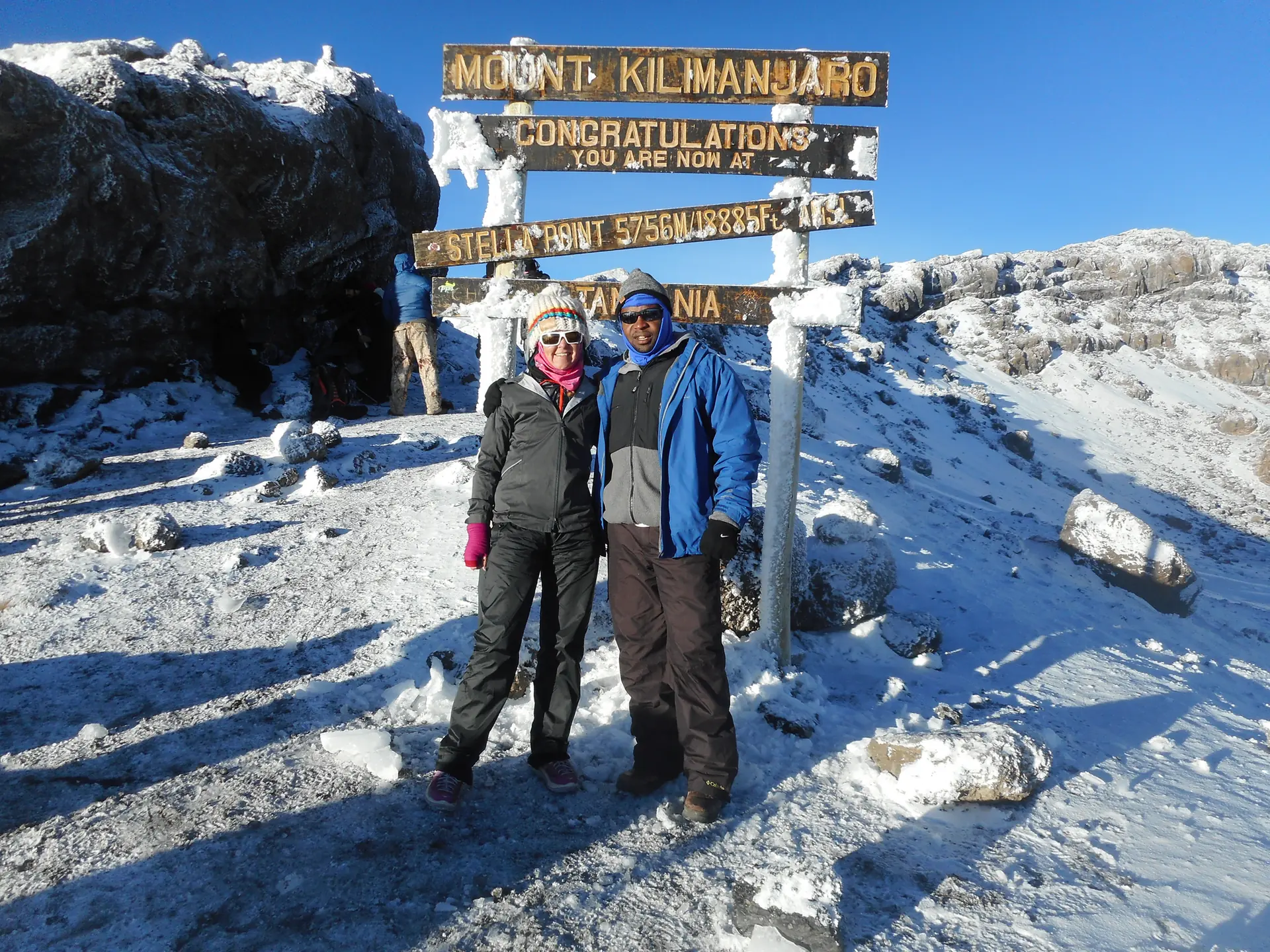
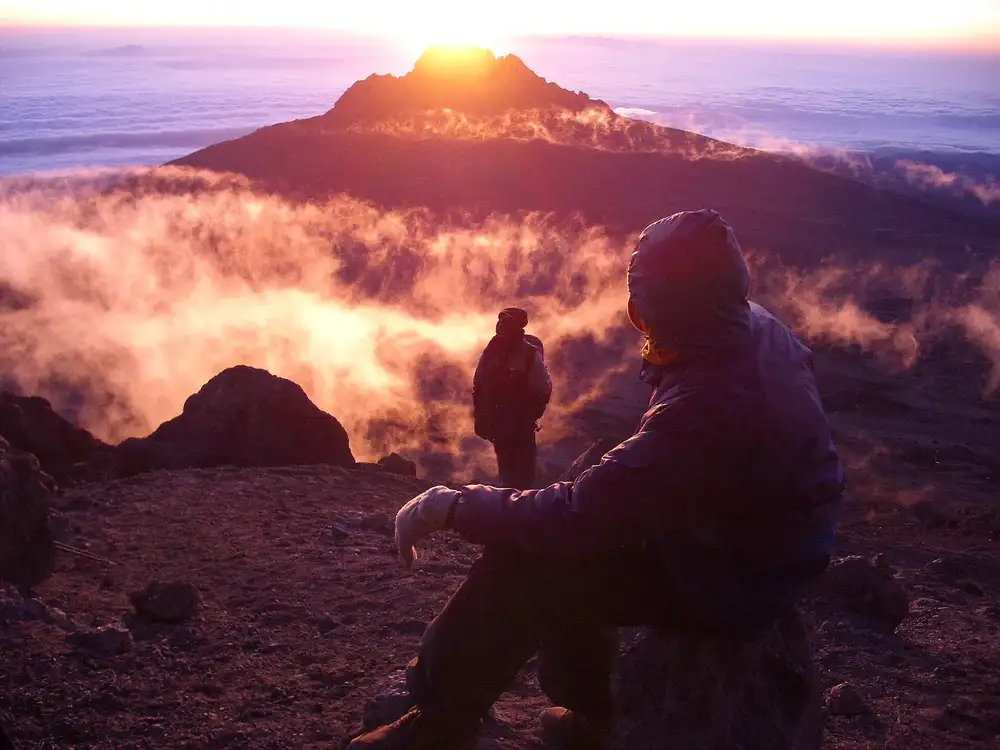
We start the final and most demanding part of the climb by torchlight around 1 a.m. We plod very slowly in the darkness on a switchback trail through loose volcanic scree to reach the crater rim at Gillman’s Point (18,600 ft) Reaching this section is an impressive achievement as the trail is steep, rocky, and at high altitude. We rest here for a short time to enjoy the spectacular sunrise over Mawenzi.
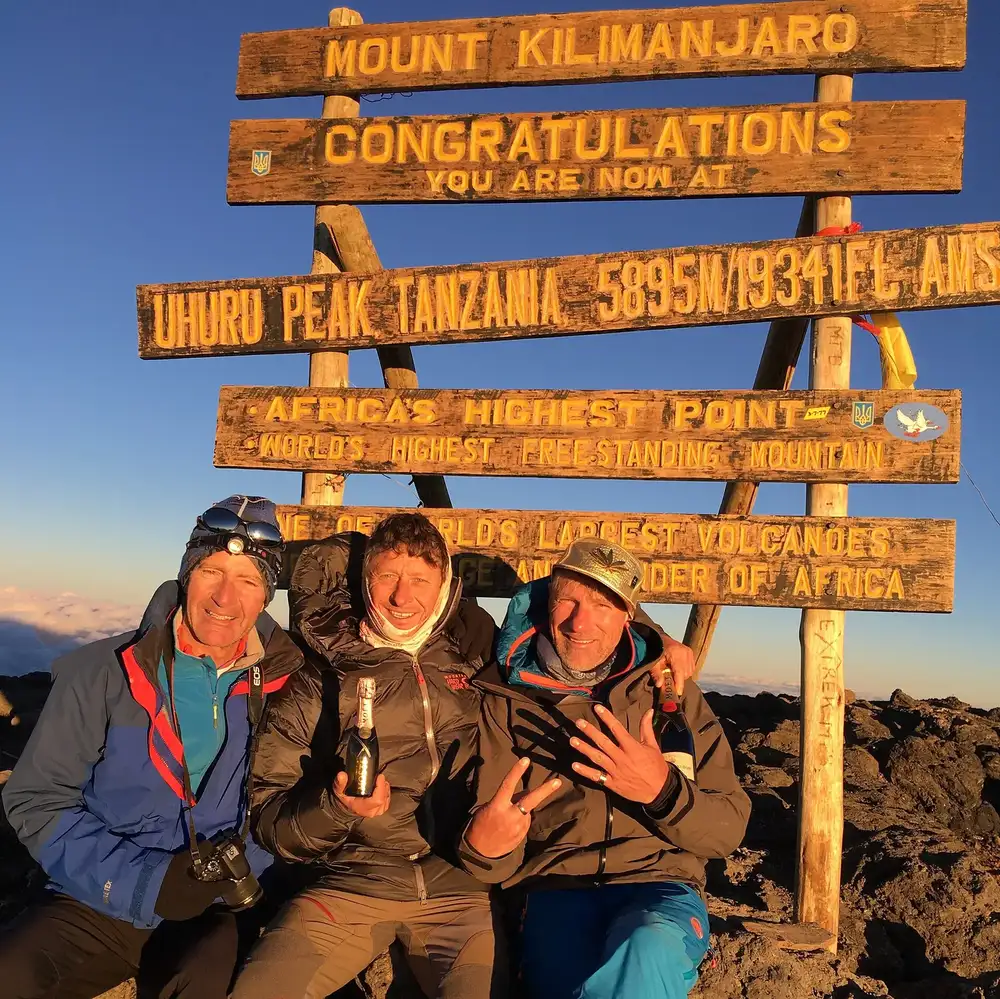
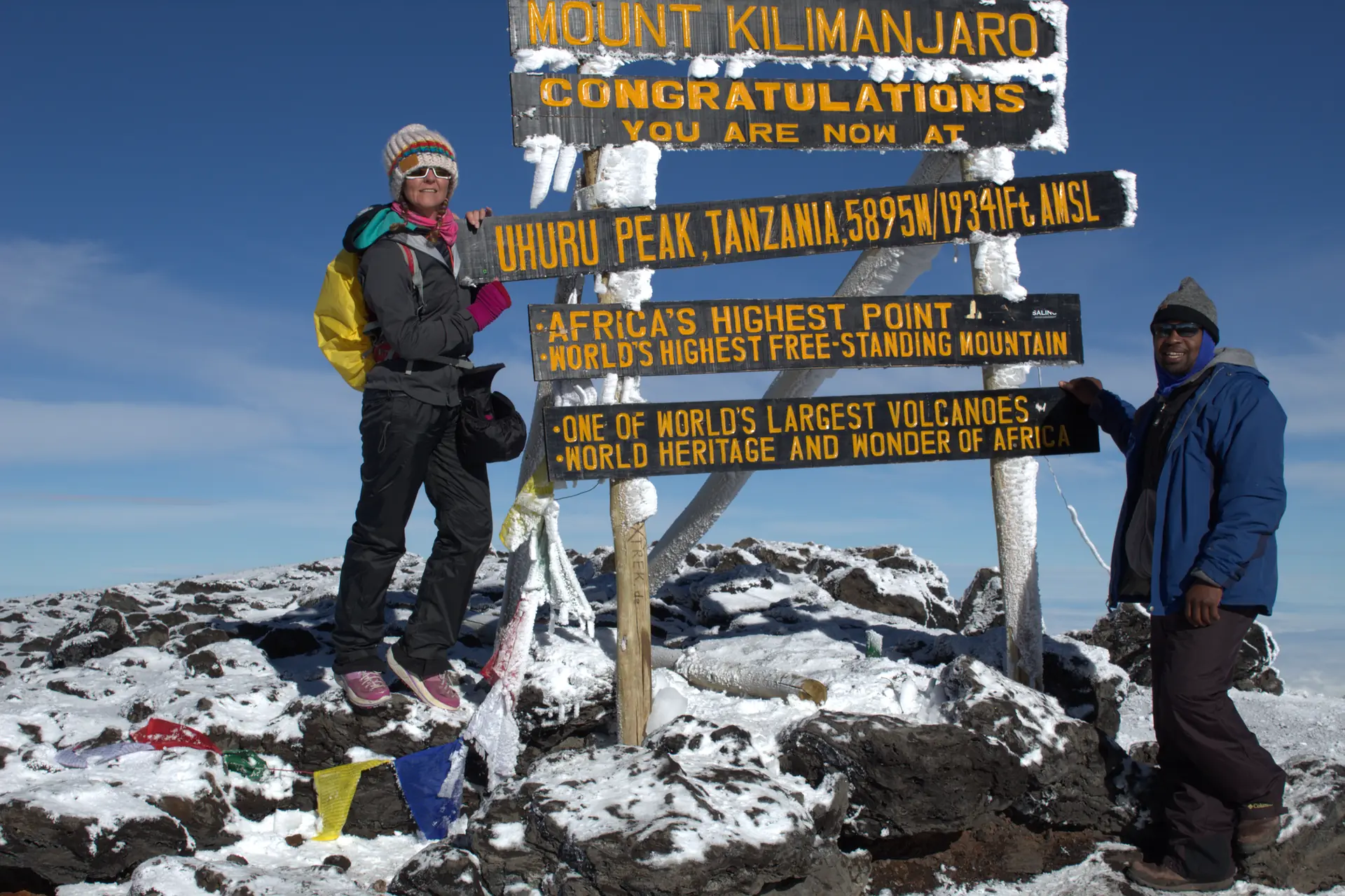
Those who are still feeling strong can make the three-hour round trip to Uhuru Peak (19,345 ft) Reaching the summit of Mt. Kilimanjaro is a lifetime accomplishment! You will be able to spend a short time on the summit taking photographs accompany with cup tee . The descent to Kibo Hut (15,400 ft) is surprisingly fast, The hike down to Kibo Hut takes about 3 hours.
At Kibo Hut, you will rest and enjoy a hot lunch in the sun. After eating, you will continue descending down to Horombo Hut (3720m-12,200 ft). You will have a dinner, wash, and rest soundly at the hut after a strenuous day.
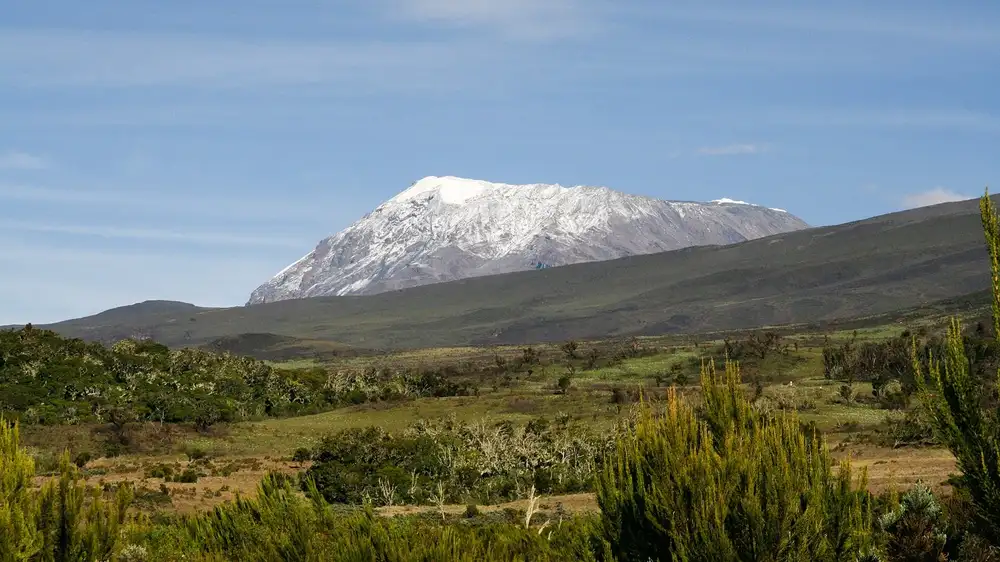
Following a well-deserved breakfast, your staff will have a big celebration full of dancing and singing. It is here on the mountain that you will present your tips to the guide, assistant guides, chef(s), and porters. After celebrating, you will descend for 6 hours back to Marangu Gate (1980m).
The National Park requires all hikers to sign their names to receive certificates of completion. Hikers who reached Gillman’s Point (5681m) receive green certificates and hikers who reached Uhuru Peak (5895m) receive gold certificates. After receiving certificates, you will drive back to Arusha for long overdue showers and more celebrations.
Today we drive to Tarangire National Park, for excellent game viewing. Tarangire is a small park which offers some excellent sights. Generally in the dry seasons Tarangire comes alive as wildlife and birdlife congregate on the Tarangire River, which is a permanent source of water. We spend the night in our lodge beautifully set inside the park with stunning views and a unique atmosphere. In the late afternoon we make a short journey from the park to our special lodge.
Dinner and overnight at Eileen’s Tree Lodge: Full board .
We head towards the Serengeti National Park. En route there is an opportunity to visit Olduvai Gorge. It is within this steep sided ravine that Louis and Mary Leakey made some of the world’s most important archaeological discoveries in the 1950s. Here in a small museum we are able to see evidence of our ancestors that have been dated back 2.5 million years.
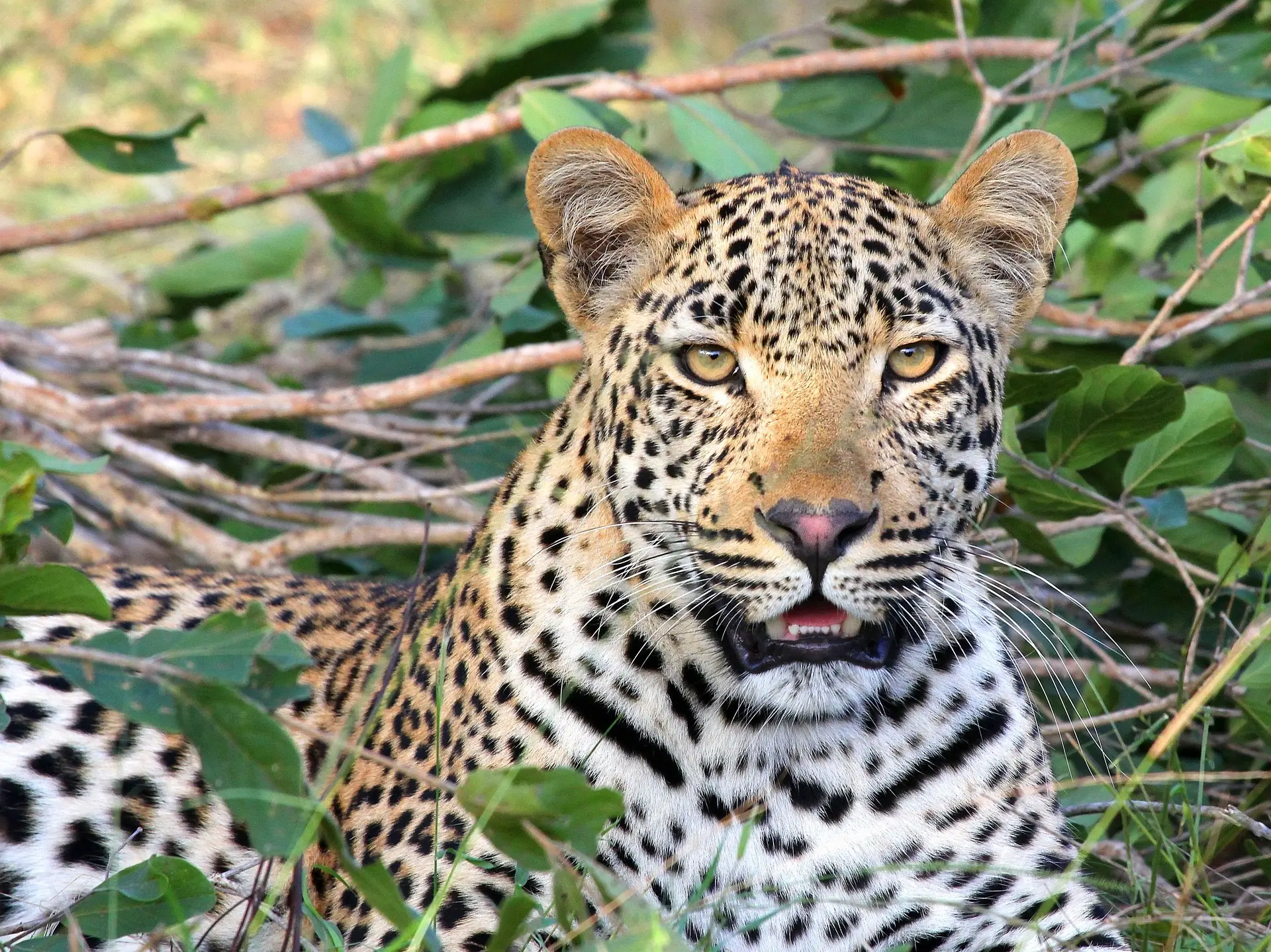
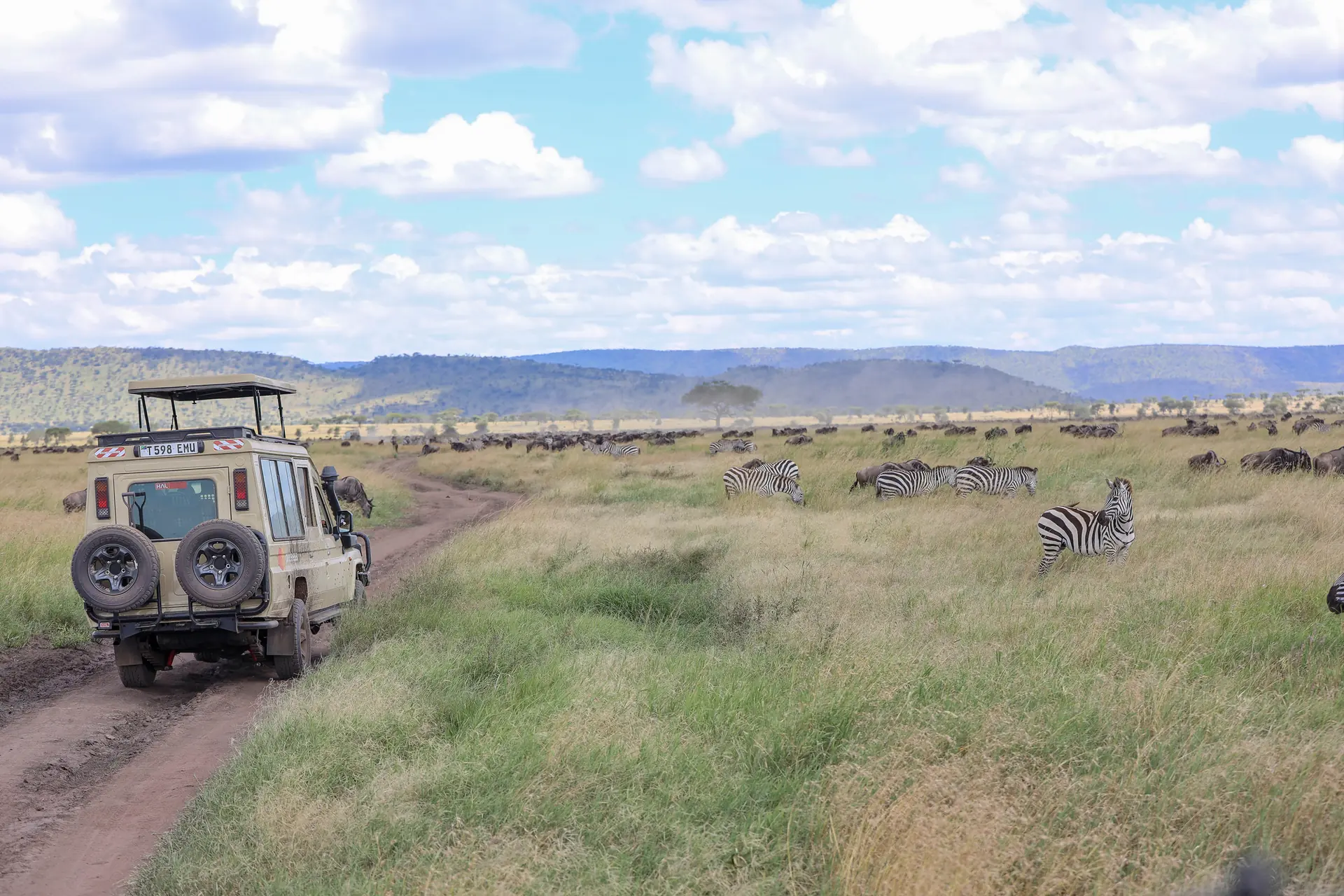
After lunch we drive into the Serengeti itself and the rest of the afternoon is spent game viewing in the vast plains that are broken only by stands of acacia trees and the occasional kopje. In December, January and February we will normally meet the migration with large herds of wildebeest, zebra, and gazelle. There are always plenty of resident animals, such as giraffe, buffalo, and elephant, and many large predators such as lion, cheetah, and leopard. We return to our special tented camp for the night.
Dinner and overnight at Serengeti Wild Tented Lodge: Full board.

We have another full day in this wonderful park, rising early to make the most of our time. Our guides will choose the best spotting locations for the time of year; we can spend time at the Hippo pool watching these majestic animals laze about in the cool water happily living alongside the crocodiles, watch a big pride of lions, be in the middle of the migration, sometimes surrounded by wildebeest, sometimes by zebras, which travel with the wildebeest.
We journey from the wide open plains to the kopjes: these volcanic rocky outcrops provide protection and shelter for a wide variety of animals and from the top we can look out across the vast grasslands of the Serengeti. This diverse and interesting landscape will provide us with the ultimate in game viewing,
we will hopefully see all of the plain games; elephants, giraffe, zebra, wildebeest, lions and it you are lucky the elusive leopard and cheetah, as well as huge amounts of interesting bird life, from the elegant secretary birds to the flightless ostrich. We return to our special tented camp for the night.
We start the day with an early morning game drive before heading to Ngorongoro Conservation Area. Ngorongoro is a special place in that it is a Conservation Area, not a National Park; this means that the whole area is managed for both the animals and the local Masai people who graze their cattle alongside the indigenous wildlife. During the drive in Ngorongoro we have a chance to glimpse something of the Masai way of life.
After stopping at the entrance gate, where there is a chance to learn more about this fascinating volcanic landscape, we will drive around the rim of the Crater itself, and from here we can look down and see the herd of wildebeest or buffalos. Finally we descend into the crater.
The crater walls provide a natural sanctuary for the animals, which means there is plenty to see: lions, elephants, buffalo, rhino and leopard (if you are lucky). The only animal you won’t see in here is a giraffe, whose long legs are unable to cope with the steeps sides of the crater. In the late afternoon we travel back to our special tented camp.
Dinner and overnight at Ngorongoro Wild Tented Lodge: Full board.
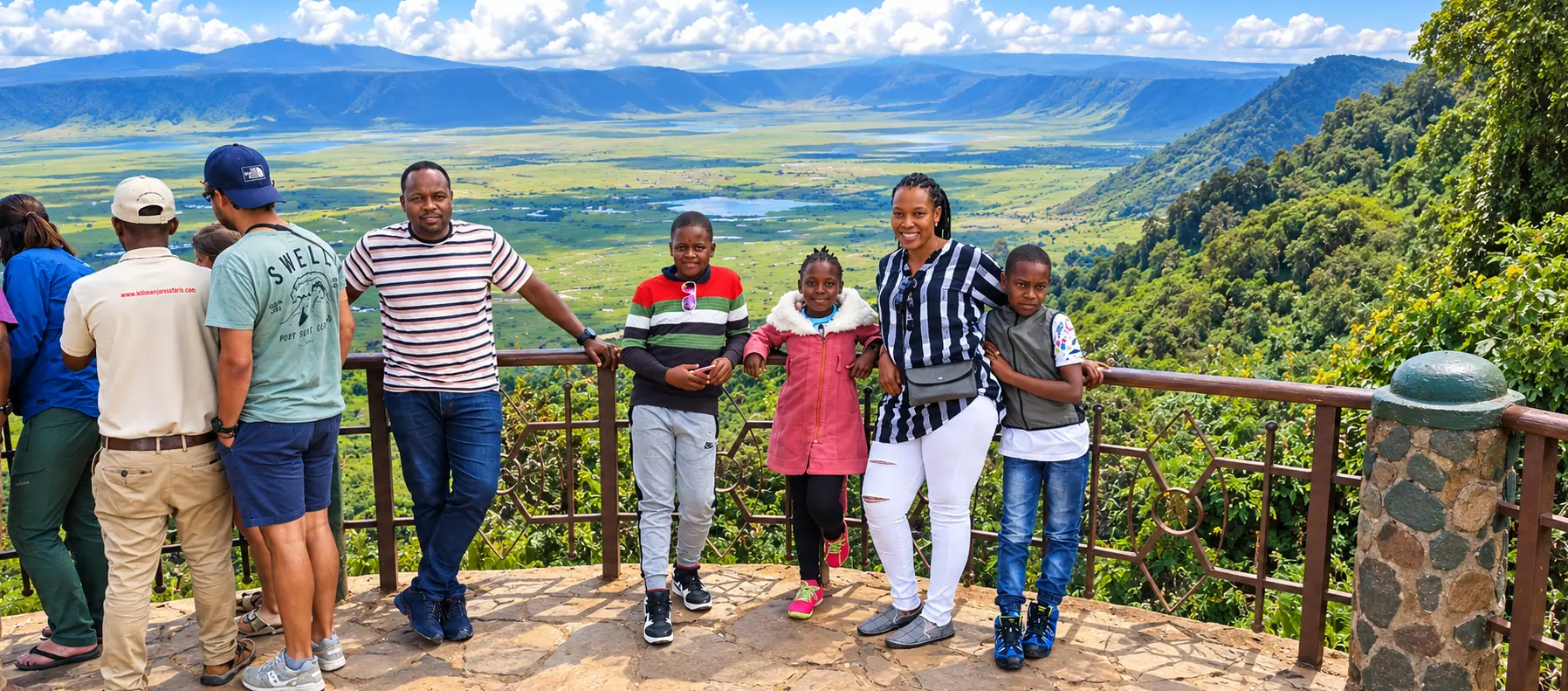
Today we will descend 2000 feet (over 600 meters) to the floor of the Ngorongoro Crater for your crater tour. Here you we will explore the forest areas inhabited by monkeys and elephants, the lake area, where we may see flamingos. We will also visit the open savannah where the lions hunt. Picnic lunch will be served in the crater. In late afternoon we make a short journey to Eileen’s Lodge.
We depart from your lodge in Karatu and proceed to Lake Manyara National Park. Although small in size, this park is one of the most diverse reserves in the country. Lake Manyara covers two thirds of the park. At the backdrop is the wall of the Great Rift Valley, before which lies the ground water forest, areas of open grassland near the lake foreshore and the Soda Lake.
We enjoy a picnic lunch in this area, which consists of open grassy areas, hot springs, dense woodlands and steep mountainsides. Lake Manyara National Park is a birding paradise that has more than 350 species of bird. The park is also famed for its unique and elusive tree-climbing lions.
After lunch time we will drive direct to Kilimanjaro International Airport, we hug together for the evening flight.