
Parque nacional del Serengeti

Parque nacional del Serengeti

Las llanuras infinitas de Tanzania

Sabanas inmensas y la mundialmente famosa Gran Migración. El Serengeti alberga a los Cinco Grandes, y su zona central de Seronera es uno de los hábitats con más fauna de Tanzania.

Sobre Parque nacional del Serengeti

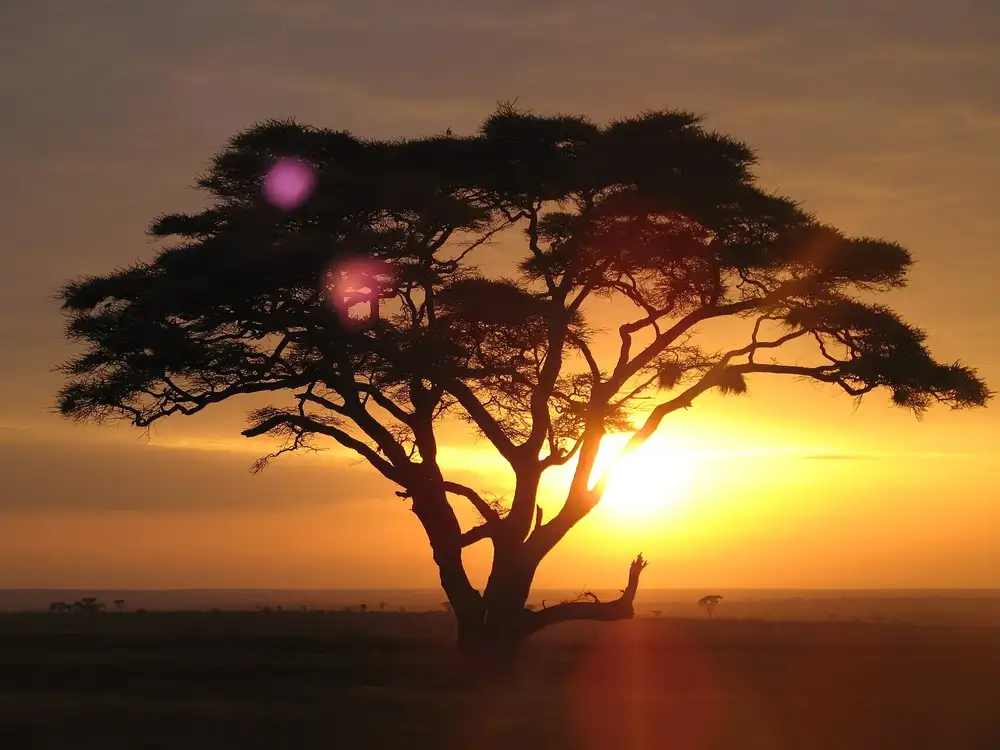
El Serengeti es el parque nacional más antiguo y famoso de Tanzania, un vasto ecosistema de llanuras abiertas, kopjes, bosques de ribera y sabana de acacias. Su nombre procede de la palabra masái que significa "llanuras infinitas".

El parque es lo bastante grande para ofrecer experiencias de safari muy distintas según la zona y la época: el centro de Seronera para avistar animales todo el año, el sur y Ndutu para la época de partos, el corredor occidental y el norte para los cruces de ríos.

Fauna

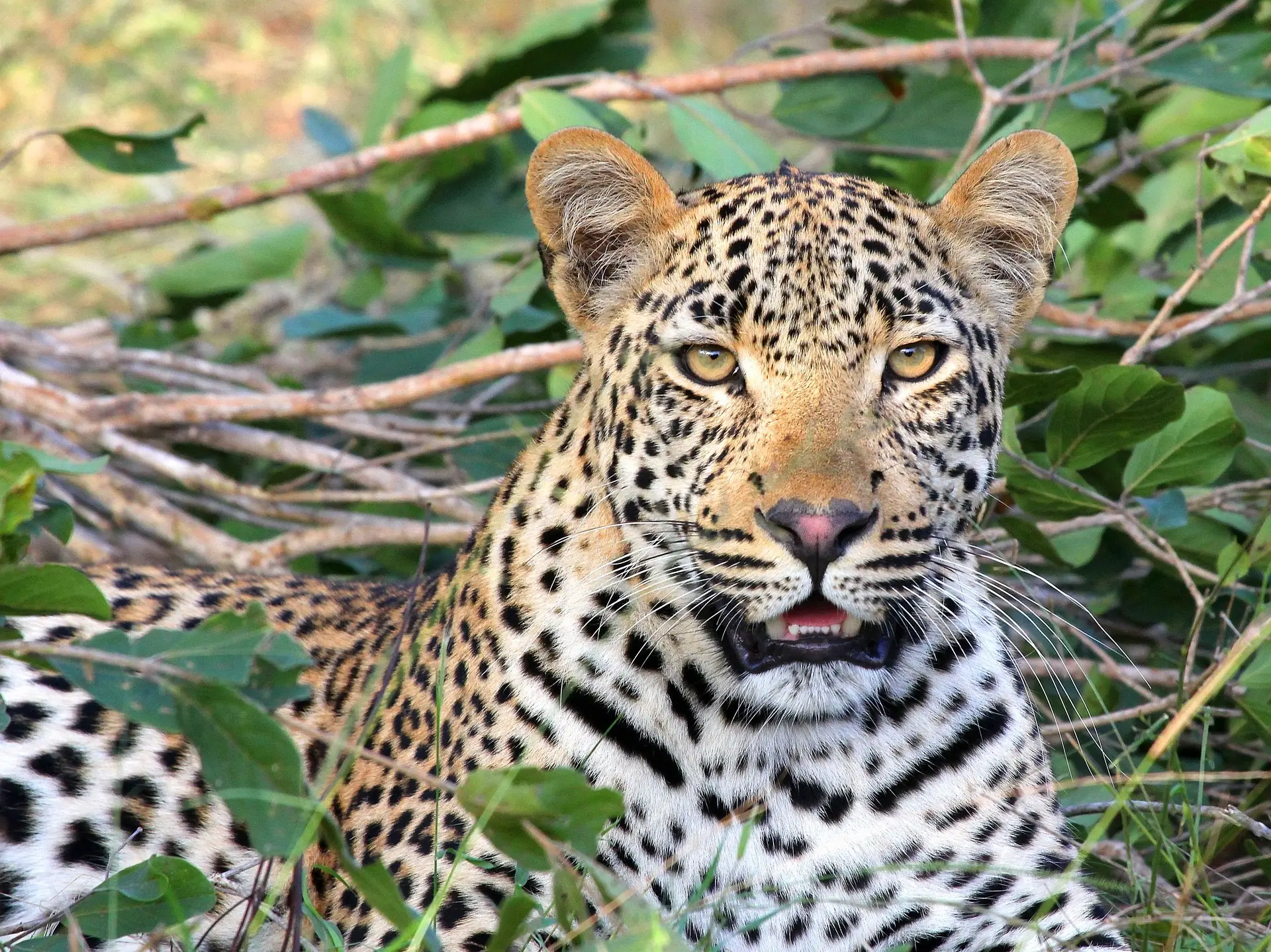
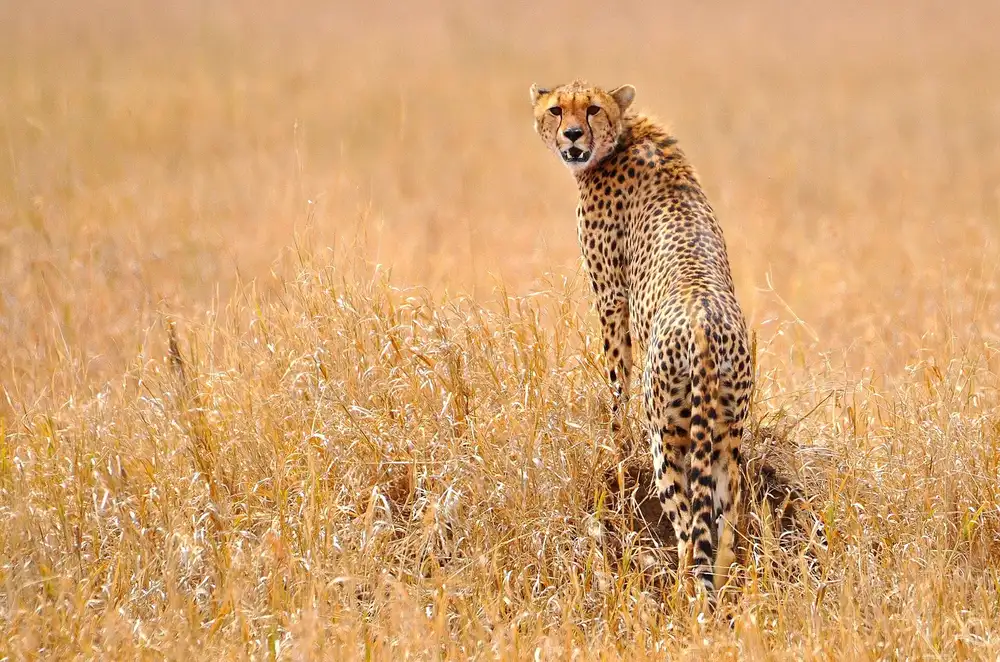
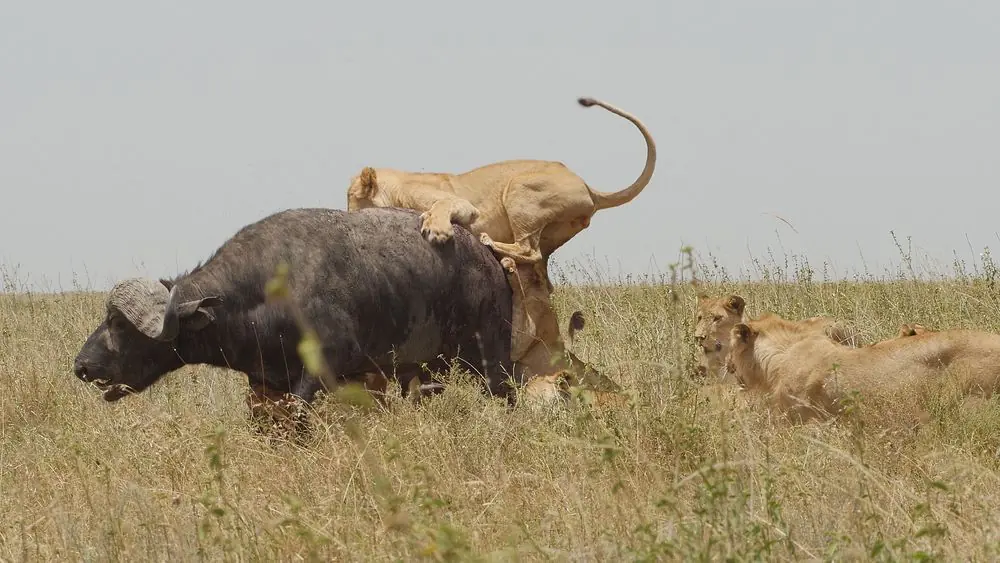
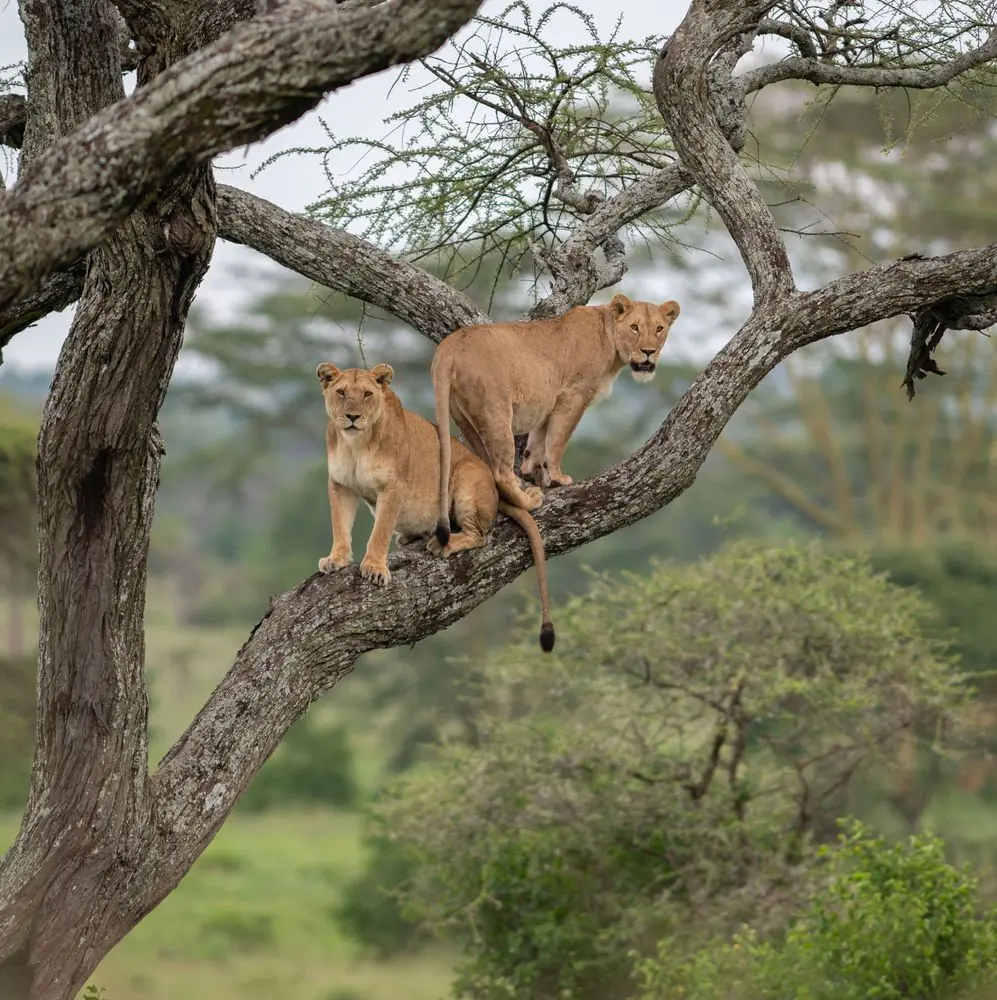
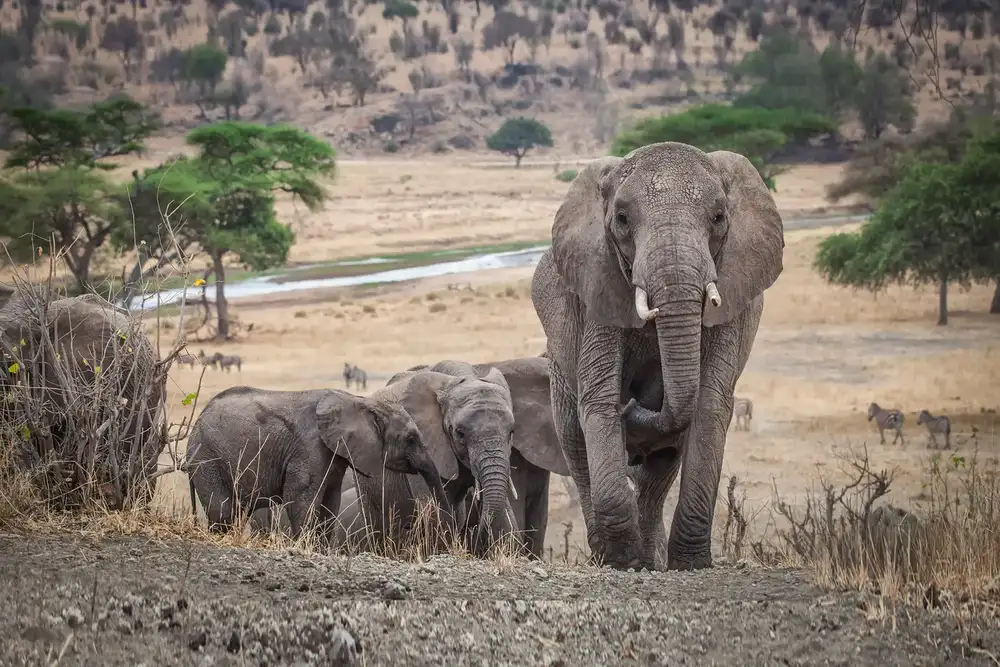
Aquí viven leones, leopardos, guepardos, elefantes, búfalos, jirafas, hipopótamos, cocodrilos, cebras, hienas y varias especies de antílopes, además de más de 500 especies de aves registradas. El valle del río Seronera es uno de los mejores lugares de Tanzania para ver grandes felinos.

Gran Migración

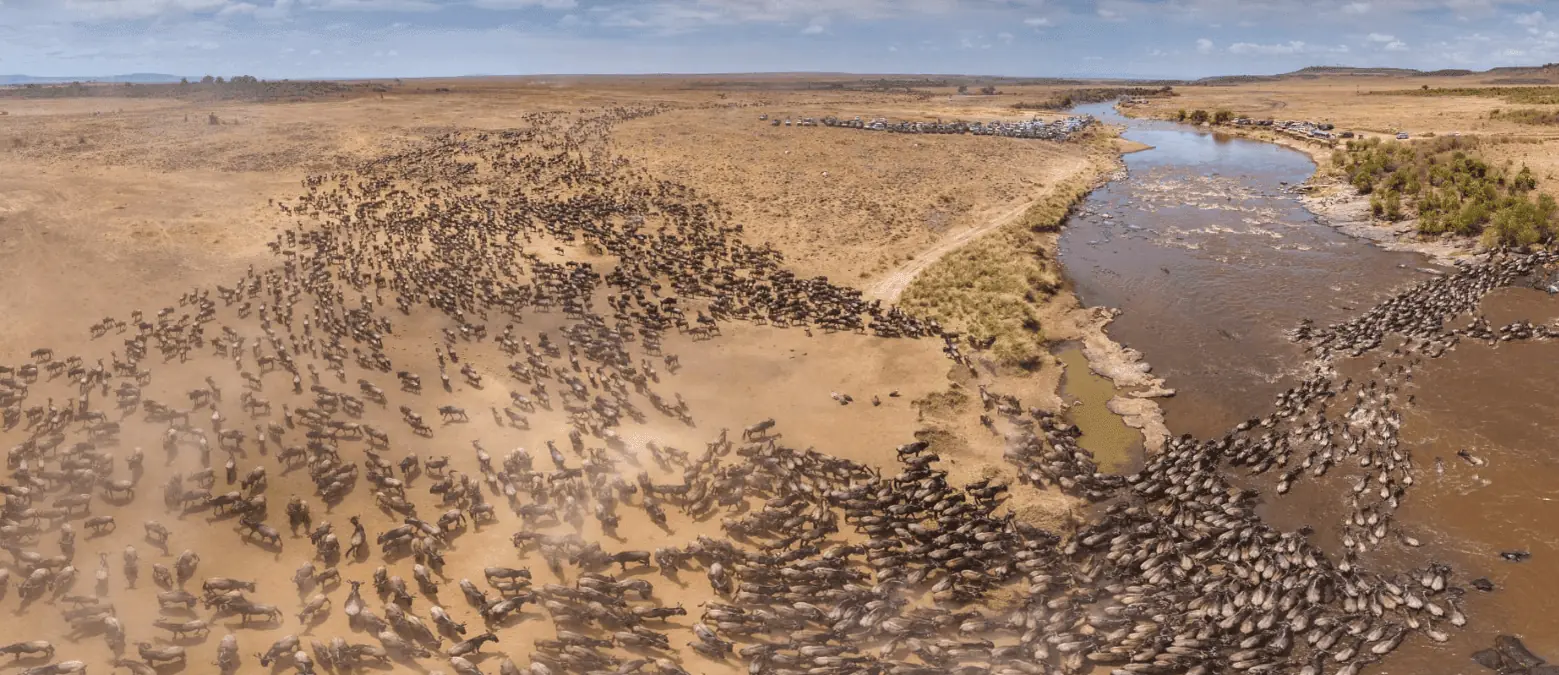
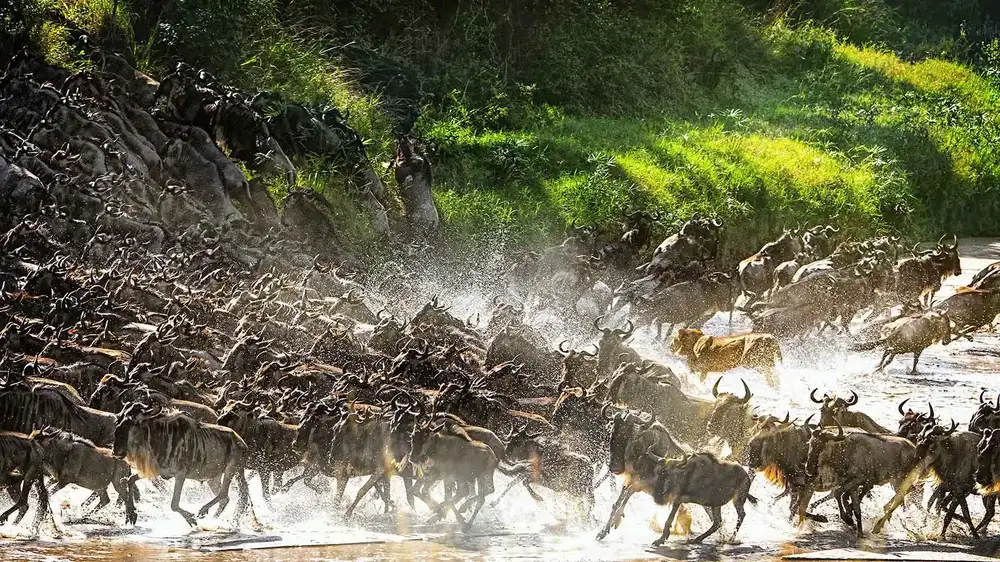
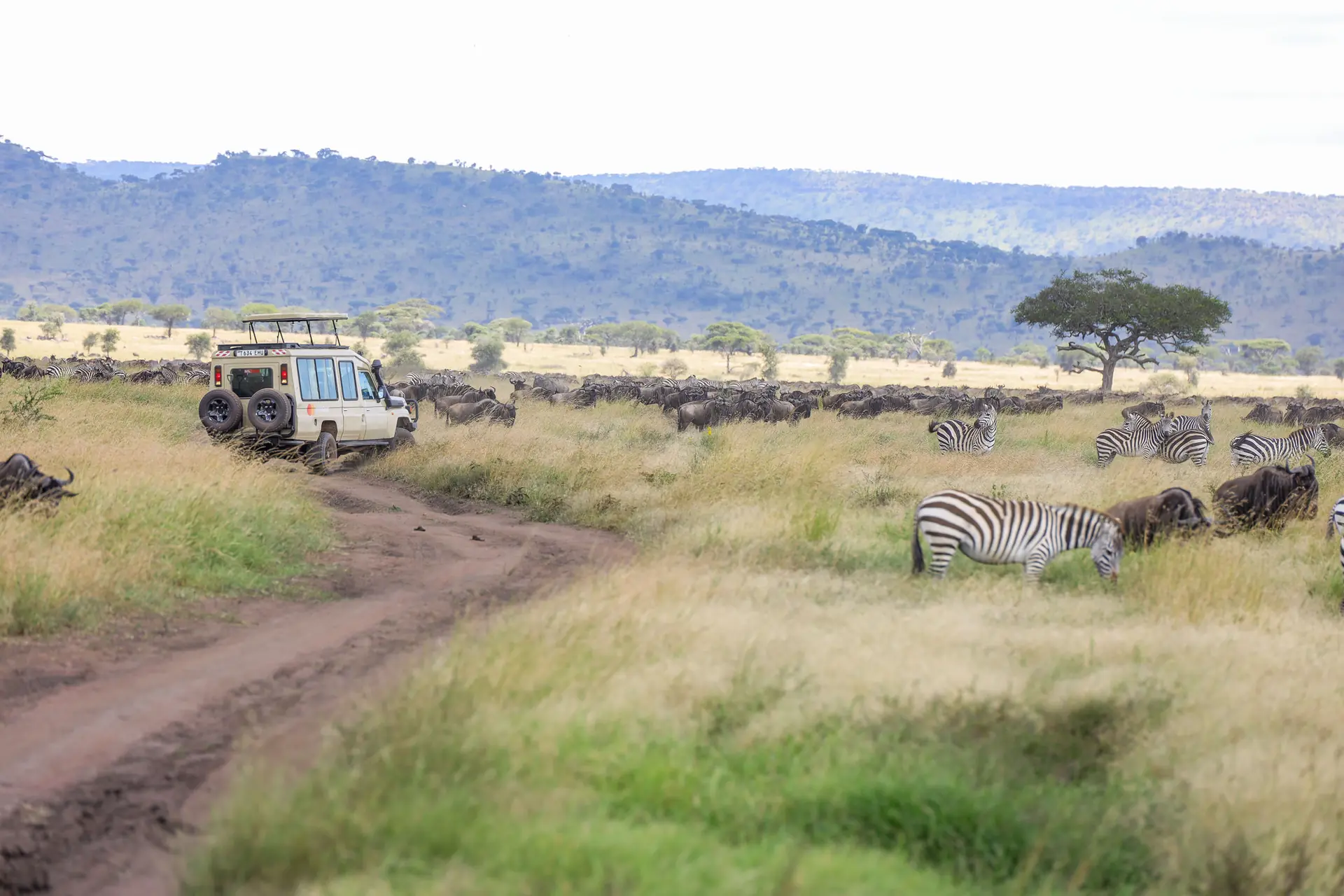
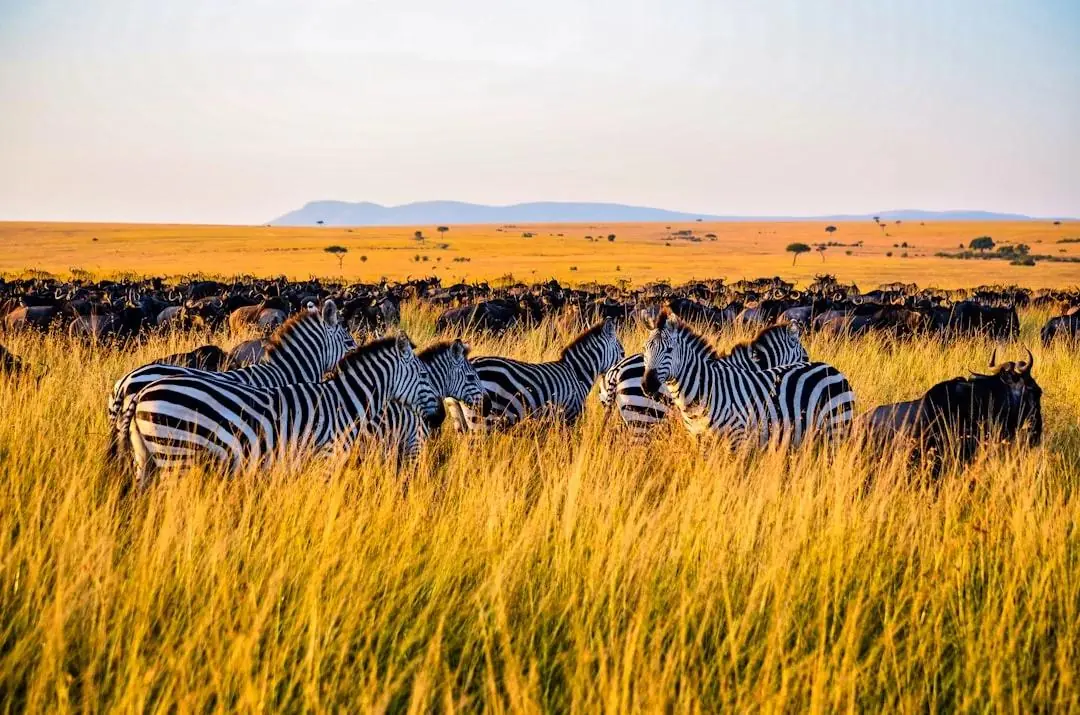
Más de un millón de ñus, junto con cebras y gacelas, siguen las lluvias en una ruta aproximadamente circular por el Serengeti y el Maasai Mara de Kenia. Dónde están depende de la época del año.

La época de partos suele ser de enero a marzo, en las llanuras del sur alrededor de Ndutu. Los cruces de ríos en el norte, en torno a Kogatende y el río Mara, suelen verse entre julio y octubre. Las manadas se desplazan, así que planificamos según su posición más probable y la confirmamos cerca de la fecha de su viaje.

KeniaTanzaniaMara RiverGrumeti RiverLake VictoriaSERENGETILake NatronOl Doinyo LengaiLake EyasiMaswaLoliondoNMasai MaraKogatendeWestern CorridorSeroneraMoru KopjesNdutuLoboNgorongoro Crater

Presencia la Gran Migración

Jan

Partos en las llanuras del sur

En torno a Ndutu y el sur del Serengeti, las manadas se reúnen en las llanuras de hierba corta y nacen las crías, normalmente de enero a marzo.

Solo un patrón típico. Las manadas siguen la lluvia, por lo que las fechas cambian cada año. Mapa ilustrativo, no apto para la navegación.

Mejor época para visitar

El Serengeti se puede visitar todo el año. La estación seca, de junio a octubre, es la mejor época para avistar fauna en general. De enero a marzo es ideal para la época de partos en el sur, y de julio a octubre para los cruces de ríos en el norte. Las lluvias largas de abril y mayo traen paisajes más verdes, menos vehículos y tarifas de alojamiento más bajas.

Dónde alojarse

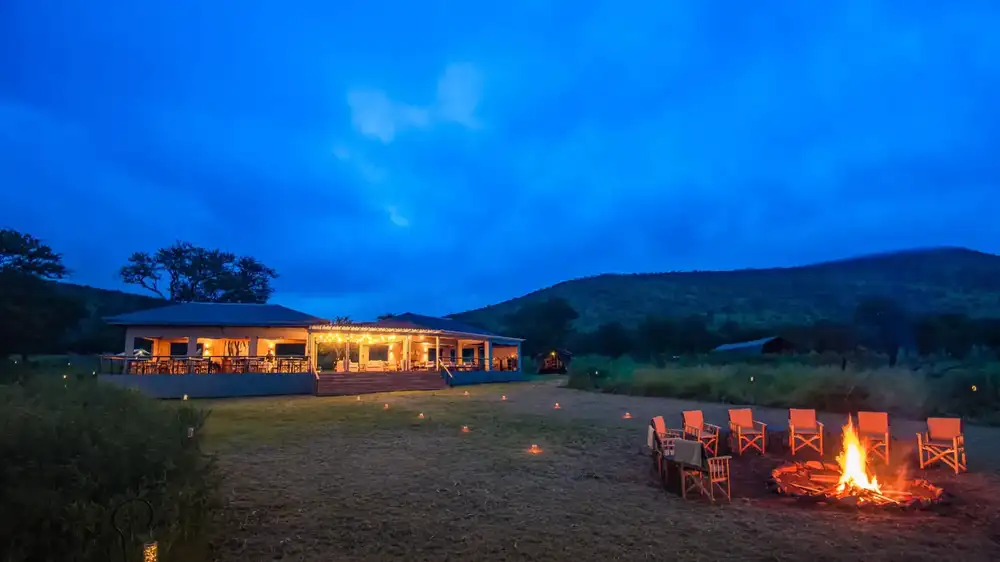
Puede elegir entre lodges, campamentos de tiendas permanentes y campamentos móviles. Alojarse en la zona donde están las manadas ahorra largos trayectos, así que el campamento adecuado depende de sus fechas.

Ver todos los alojamientos

Qué hacer

  1. Recorridos de safari al amanecer y al final de la tarde
  2. Seguir la Gran Migración
  3. Vuelo en globo aerostático al amanecer (opcional)
  4. Desayuno o cena en la sabana
  5. Visita a la garganta de Olduvai a la ida o a la vuelta

Cómo llegar

Por carretera desde Arusha el trayecto lleva un día completo, normalmente combinado con Tarangire, el lago Manyara o Ngorongoro por el camino. Volar es más rápido: los vuelos regulares y chárter aterrizan en pistas de todo el parque, lo que conviene a quienes disponen de poco tiempo.
Duración recomendada del safari

Al menos tres noches; con cuatro o cinco noches se puede recorrer más de una zona.

Itinerarios que visitan Parque nacional del Serengeti

Preguntas frecuentes

¿Es la Gran Migración un único acontecimiento?

No. Es un movimiento de las manadas que dura todo el año, con distintos momentos destacados en cada mes: los partos en el sur, el corredor occidental y los cruces de ríos en el norte.

¿Se pueden ver los Cinco Grandes en el Serengeti?

Leones, leopardos, elefantes y búfalos se ven con regularidad. El rinoceronte negro es raro y suele verse en el cráter del Ngorongoro.

Pedir presupuesto

Cuéntanos qué tienes en mente y te responderemos con consejo honesto y un presupuesto a medida.

1 Tus datos
2 Tu viaje
3 Peticiones especiales

* obligatorio

Todos los destinos

Más detalles

Este texto solo está disponible en inglés.

Serengeti: A Maasai word means that “An endless plain or where the land proceeds onward for eternity”

Serengeti National Park, an incomprehensible and lovely field of 14,763 square kilometers, is maybe the world’s most well-known untamed life asylum. A World Heritage Site and Biosphere Reserve, the Serengeti bolsters the biggest convergence of field diversion on the planet. Notwithstanding viewing the inconceivable parade of practically more than two million wildebeest and zebra that happens every year from early December in the South piece of the Serengeti (Ndutu Area) consistently, many individuals additionally visit the Serengeti to look for enormous felines.

Facts about Serengeti National Park

The Safari to Tanzania would be and in fact, it is incomplete without going to the Serengeti National Park . This is one of a kind sanctuary on the planet and one of the World Heritage Sites since 1972. With an area of 14,763 sq. km. the Park has numerous beautiful components: Grassland Savannah fields, wild, kopjes, more than 500 types of winged animals, etc. By the by, the most outstanding element is its fauna. It contains the best residual grouping of fields game in Africa and on a scale that has no equals on the planet.

The park is the second largest park after Ruaha National Park and obviously the best park in Tanzania and East Africa . Extensive crowds of wild ox, gatherings of elephants and giraffes, and numerous countable quantities of topi, eland, impala, kongoni, give’s gazelle are accessible for seeing whenever of the year. The three major felines (Lions. Panthers and Cheetahs can likewise be seen. As normal lions are frequently discovered murdering something, if not an impala, it is a wildebeest or a zebra, and so forth. Cheetahs are extremely normal on the southeastern fields, while panthers can regularly be discovered resting lethargically in one of the vast trees close to Seronera River.

The Great Wildebeest Migration

The Serengeti National Park is notable for its yearly wildebeest movement when more than 2 million wildebeest joined by around 500,000 Thomson gazelles and around 200,000 zebras cross the Mara River yearning for new waters and fields.

Size And Location

  • The coverage area of 14,763 square kilometers
  • Located in Northern Tanzania at the following coordinates: 2.1540° S, 34.6857° E

Getting There

The best option to get there is to fly into Kilimanjaro International Airport (JRO) which is situated about 50km from Arusha. It is also possible to fly into Julius Nyerere International Airport (DAR), just outside of Dar es Salaam, and use a domestic flight to get to Arusha Airport (ARK). You can also opt to fly to Nairobi in Kenya at Jomo Kenyatta International Airport, NBO Wilson Airport, or Moi Air Base and take a shuttle transfer to Arusha about 300KM

From Arusha by road or scheduled flight to Serengeti.

What To Do

Game review, Cultural visits, picnicking and outdoors, shrubbery lunch/supper, expand safaris,

When To Go

The recreation center offers great natural life seeing consistently. June to October is the greatest month for seeing the movement including Mara River Crossing and February is the greatest month for the wildebeest calving. The dry season begins in June and ends in January every year and these months are best for broad game review.

Accommodation

  • Four Seasons Safari Lodge Serengeti, a 5-star hotel
  • Serengeti Serena Safari Lodge
  • Serengeti Sopa Lodge
  • Mapito Tented Camp
  • Ikoma Tented Camp

Parque Nacional del Serengeti

Serengeti National Park is undoubtedly the best-known wildlife sanctuary in the world, unequalled for its natural beauty and scientific value, it has the greatest concentration of plains game in Africa

Serengeti Wildebeests Migration Map

The Serengeti National Park in Tanzania was established in 1952. It is home to the greatest wildlife spectacle on earth – the great migration of wildebeest and zebra. The resident population of lion, cheetah, elephant, giraffe, and birds is also impressive. There’s a wide variety of accommodation available, from luxury lodges to mobile camps. The park covers 5,700 sq miles, (14,763 sq km), it’s larger than Connecticut, with at most a couple hundred vehicles driving around.

The Park can be divided into 3 sections. The popular southern/central part (Seronera Valley), is what the Maasai called the “serengit”, the land of endless plains. It’s classic savannah, dotted with acacias and filled with wildlife. The western corridor is marked by the Grumeti River, and has more forests and dense bush. The north, Lobo area, meets up with Kenya’s Masai Mara Reserve, is the least visited section.

Two World Heritage Sites and two Biosphere Reserves have been established within the 30,000 km² region. It’s unique ecosystem has inspired writers from Ernest Hemingway to Peter Mattheissen, filmakers like Hugo von Lawick and Alan Root as well as numerous photographers and scientists

The Serengeti ecosystem is one of the oldest on earth. The essential features of climate, vegetation and fauna have barely changed in the past million years. Early man himself made an appearance in Olduvai Gorge about two million years ago. Some patterns of life, death, adaptation and migration are as old as the hills themselves.

It is the migration for which Serengeti is perhaps most famous. Over a million wildebeest and about 200,000 zebras flow south from the northern hills to the southern plains for the short rains every October and November, and then swirl west and north after the long rains in April, May and June. So strong is the ancient instinct to move that no drought, gorge or crocodile infested river can hold them back.

The Wildebeest travel through a variety of parks, reserves and protected areas and through a variety of habitat. Join us to explore the different forms of vegetation and landscapes of the Serengeti ecosystem and meet some of their most fascinating inhabitants.