
4 Days Safari to Serengeti and Ngorongoro
Arusha → Lake Manyara → Serengeti → Ngorongoro → Arusha
Accommodation: Hotel and rim lodge
View itinerary
Vast savannahs and the world-famous Great Migration. The Serengeti is home to the Big Five, and its central Seronera area is one of the richest wildlife habitats in Tanzania.
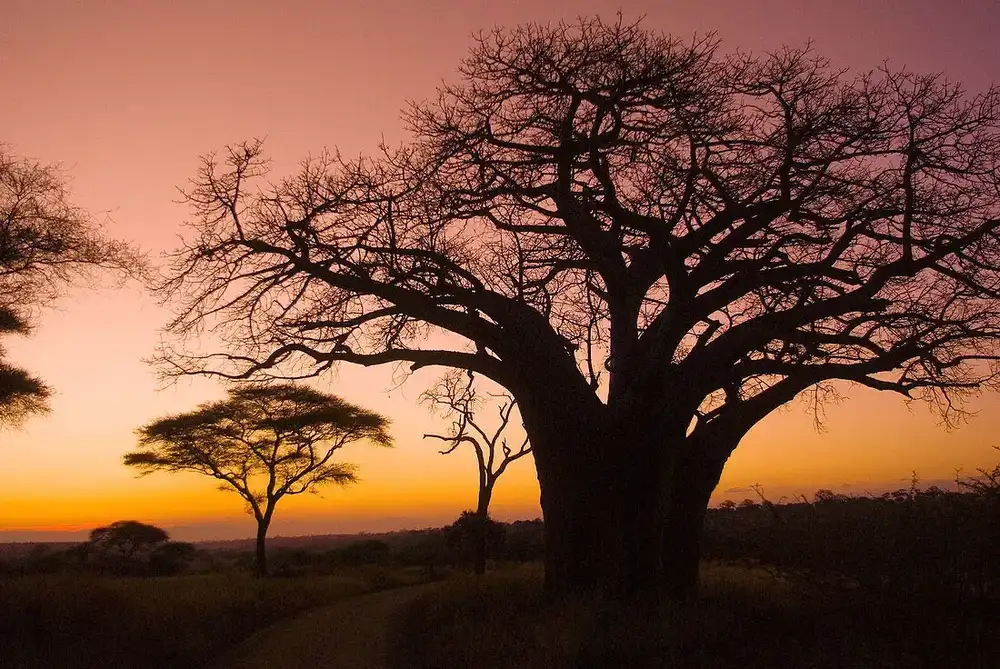
The Serengeti is Tanzania's oldest and most famous national park, a vast ecosystem of open plains, kopjes, riverine woodland and acacia savannah. Its name comes from the Maasai word for "endless plains".
The park is large enough to offer very different safari experiences depending on the area and the season: central Seronera for year-round game viewing, the south and Ndutu for the calving season, the western corridor, and the north for river crossings.
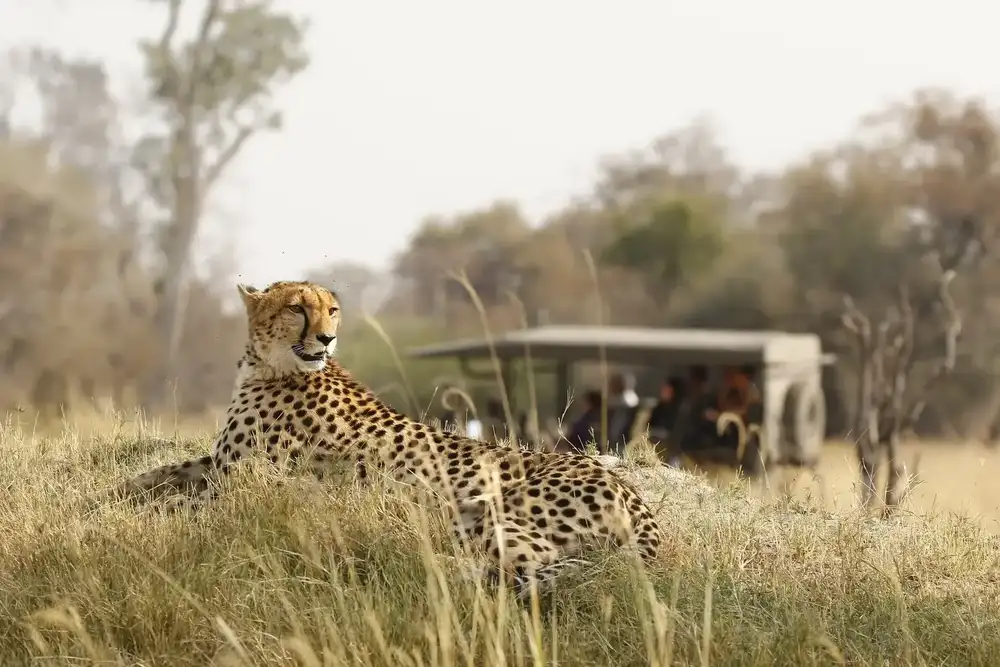
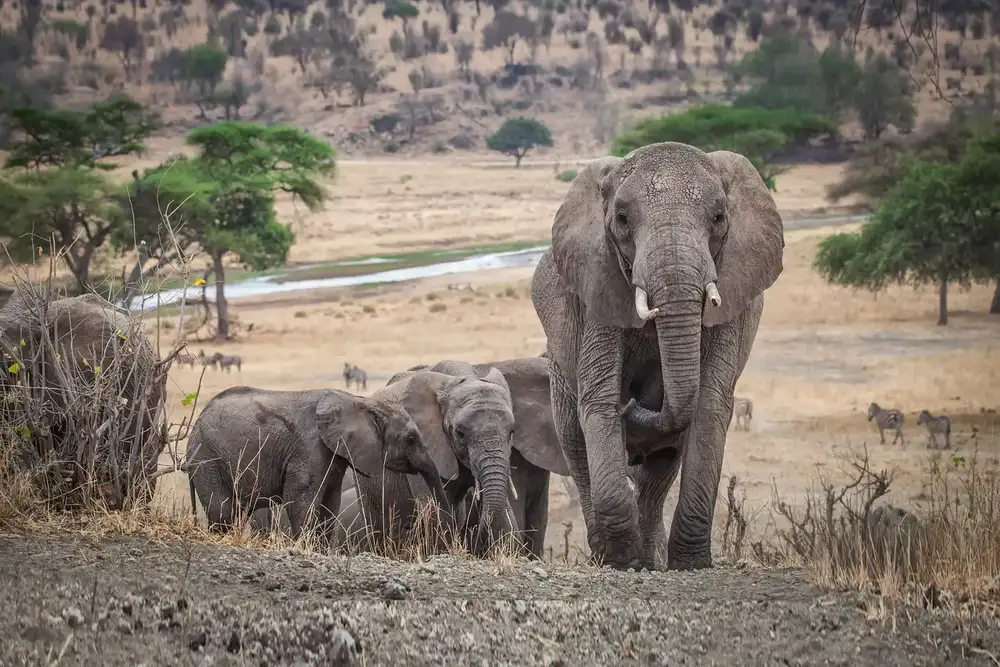
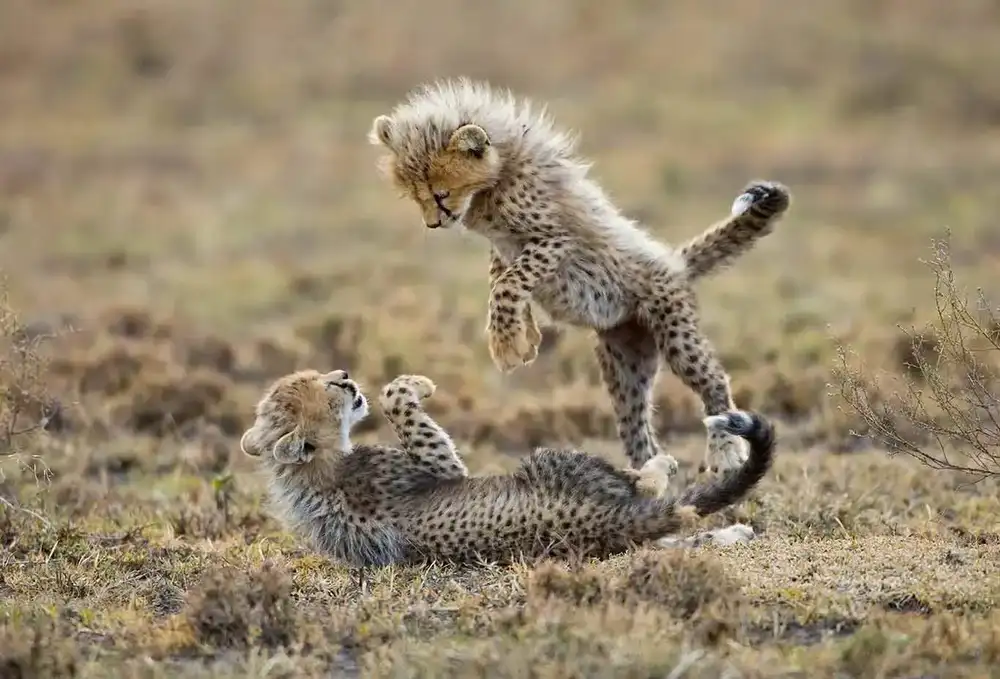
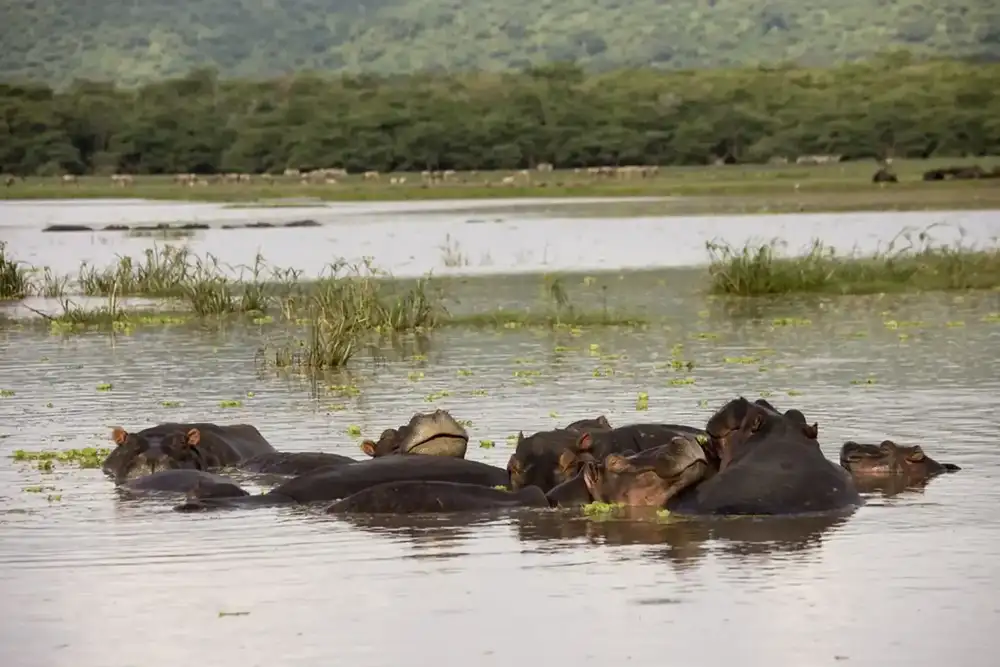
Lion, leopard, cheetah, elephant, buffalo, giraffe, hippo, crocodile, zebra, hyena and several antelope species live here, along with more than 500 recorded bird species. The Seronera River valley is one of the best places in Tanzania to see big cats.
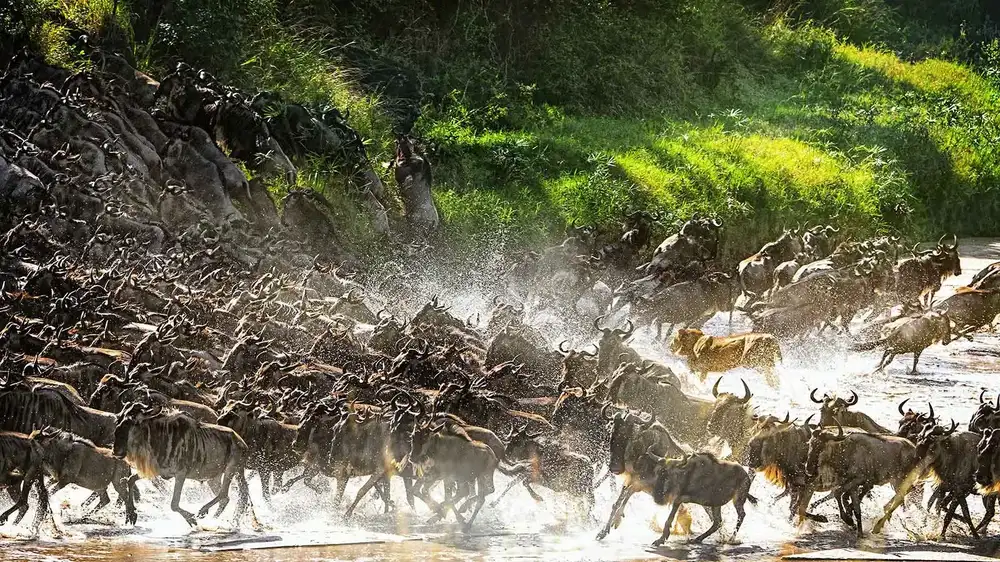
More than a million wildebeest, together with zebra and gazelle, follow the rains in a roughly circular route through the Serengeti and Kenya's Maasai Mara. Where they are depends on the time of year.
Calving season is usually from January to March on the southern plains around Ndutu. River crossings in the north, around Kogatende and the Mara River, are usually seen between July and October. The herds move, so we plan around the likely position and confirm it close to your travel date.
The Serengeti can be visited all year. The dry season from June to October is the easiest time for general game viewing. January to March suits the calving season in the south, and July to October the river crossings in the north. The long rains in April and May mean greener scenery, fewer vehicles and lower accommodation rates.
Choose from lodges, permanent tented camps and mobile camps. Staying in the area the herds are in saves long drives, so the right camp depends on your dates.
By road from Arusha the drive takes a full day, usually combined with Tarangire, Lake Manyara or Ngorongoro on the way. Flying is faster: scheduled and charter flights land at airstrips across the park, which suits travellers with limited time.
At least three nights; four to five nights lets you cover more than one area.
Arusha → Lake Manyara → Serengeti → Ngorongoro → Arusha
Accommodation: Hotel and rim lodge
View itineraryArusha → Serengeti → Arusha
Accommodation: Lodge or camp, as quoted
View itineraryArusha → Tarangire → Lake Manyara → Serengeti → Ngorongoro → Arusha
Accommodation: Lodges and tented camps
View itineraryArusha → Tarangire → Ndutu → Serengeti → Ngorongoro → Lake Manyara → Arusha
Accommodation: Lodges and tented camps
View itineraryArusha → Tarangire → Serengeti → Ngorongoro → Lake Eyasi → Lake Manyara → Arusha
Accommodation: Lodges and tented camps
View itineraryKilimanjaro → Tarangire → Serengeti → Ngorongoro
Accommodation: Mountain camps, then lodges
View itineraryNo. It is a year-round movement of the herds, with different highlights in different months: calving in the south, the western corridor, and river crossings in the north.
Lion, leopard, elephant and buffalo are seen regularly. Black rhino are rare and usually seen at Ngorongoro Crater.
Tell us what you have in mind and we will reply with honest advice and a tailor-made quote.