
Parc national du Serengeti

Parc national du Serengeti

Les plaines infinies de la Tanzanie

De vastes savanes et la célèbre Grande Migration. Le Serengeti abrite les Big Five, et sa zone centrale de Seronera compte parmi les habitats les plus riches en faune de Tanzanie.

À propos de Parc national du Serengeti

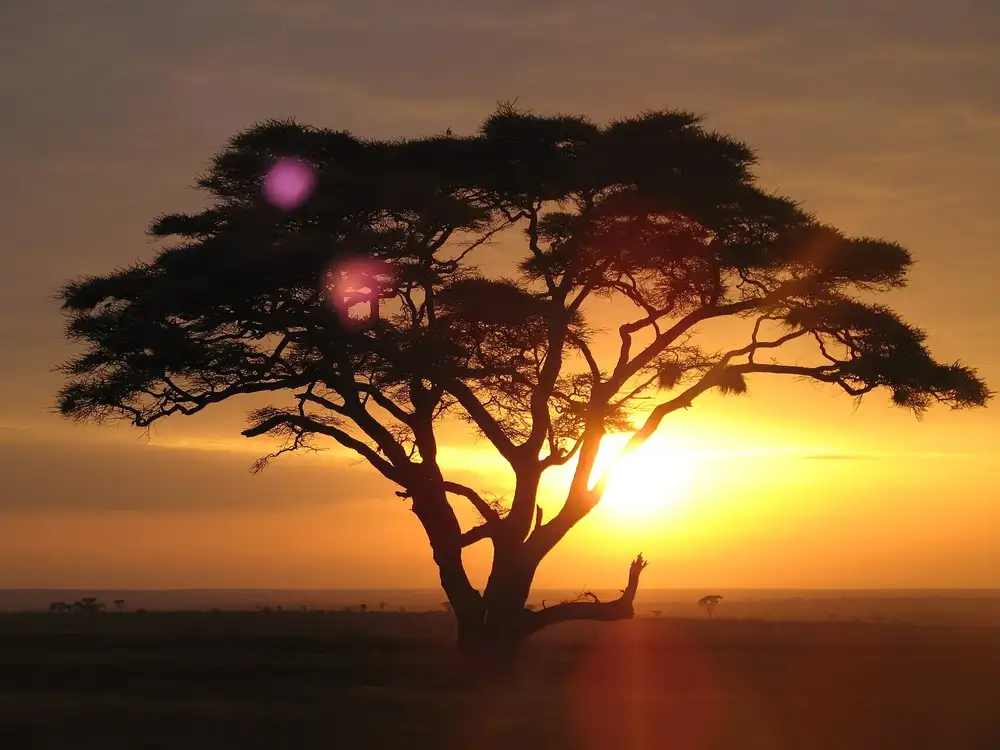
Le Serengeti est le plus ancien et le plus célèbre parc national de Tanzanie, un vaste écosystème de plaines ouvertes, de kopjes, de forêts-galeries et de savane à acacias. Son nom vient du mot masaï signifiant « plaines infinies ».

Le parc est assez grand pour offrir des expériences de safari très différentes selon la zone et la saison : Seronera, au centre, pour l'observation de la faune toute l'année, le sud et Ndutu pour la saison des naissances, le corridor ouest et le nord pour les traversées de rivière.

Faune

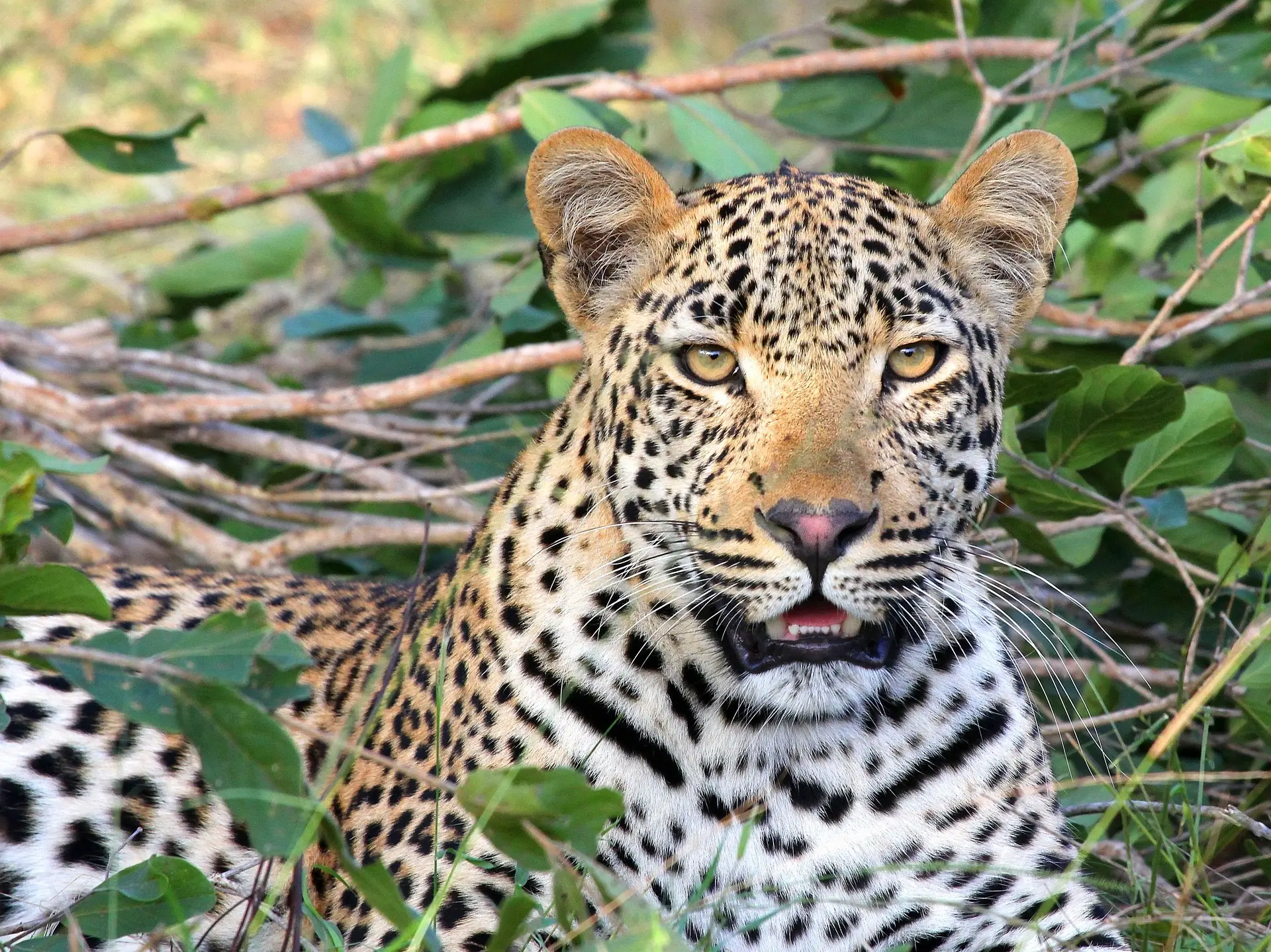
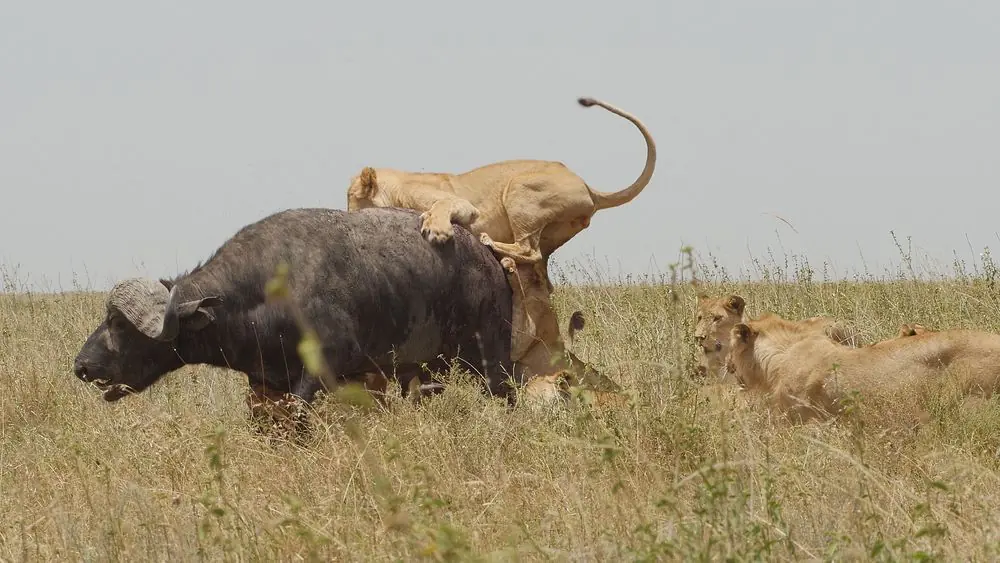
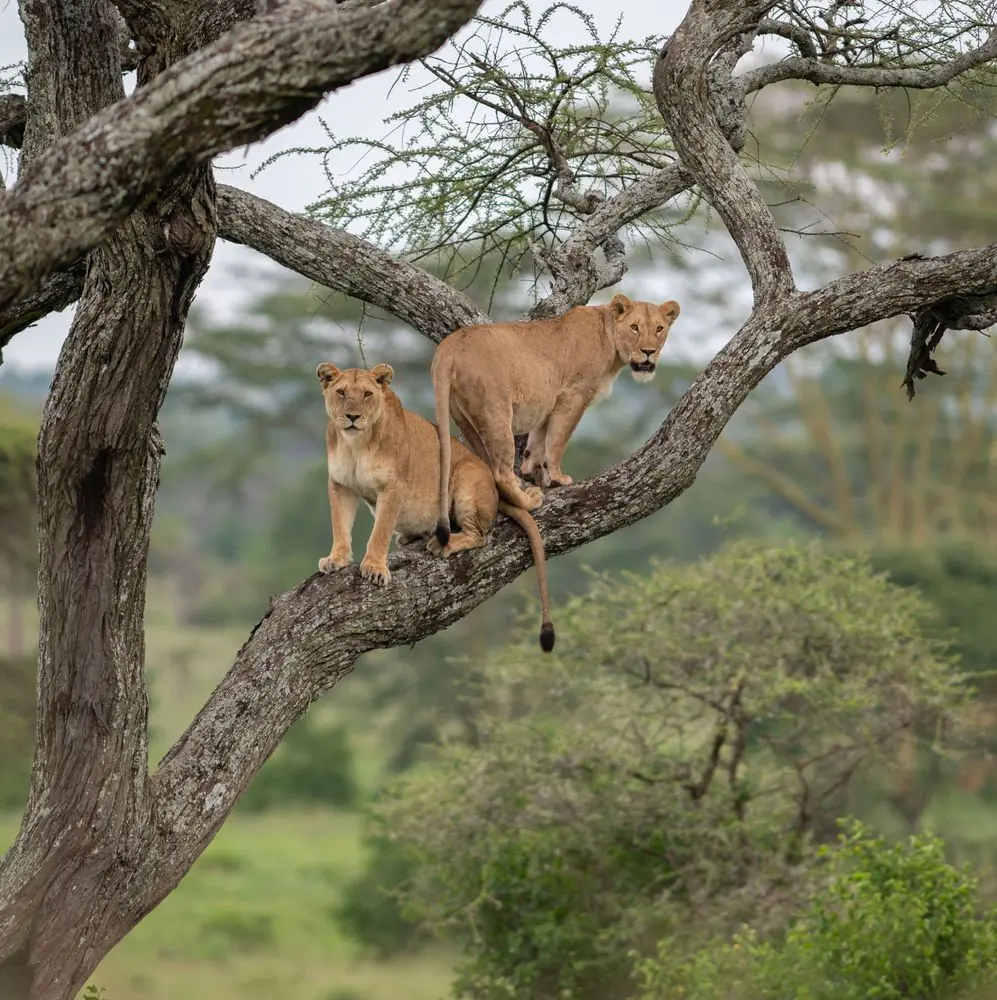
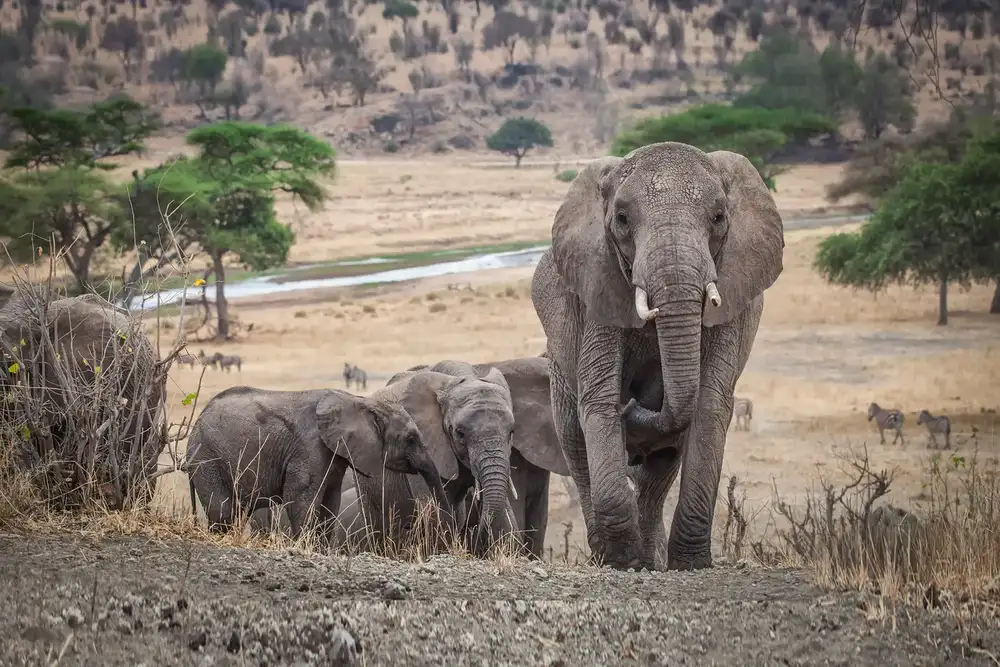
Lions, léopards, guépards, éléphants, buffles, girafes, hippopotames, crocodiles, zèbres, hyènes et plusieurs espèces d'antilopes y vivent, ainsi que plus de 500 espèces d'oiseaux recensées. La vallée de la rivière Seronera est l'un des meilleurs endroits de Tanzanie pour voir les grands félins.

Grande Migration

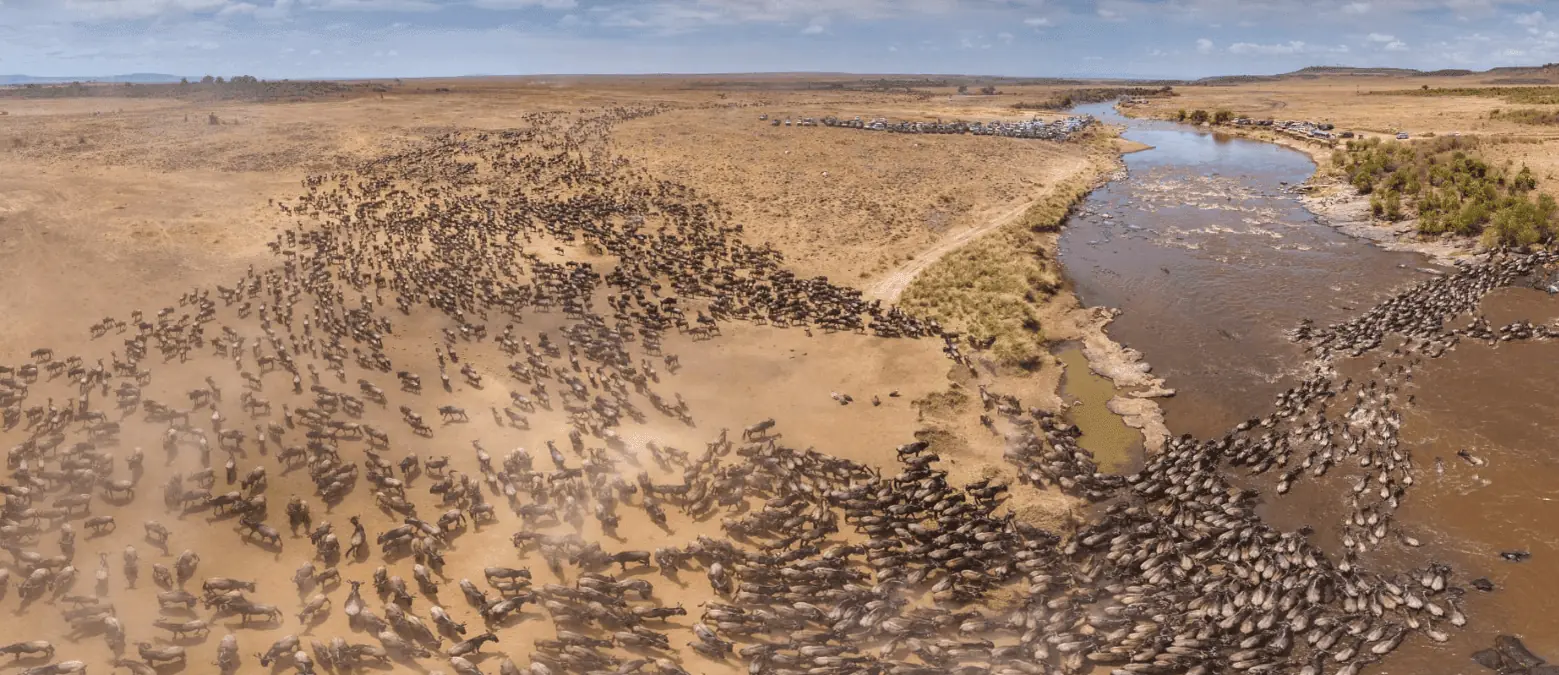
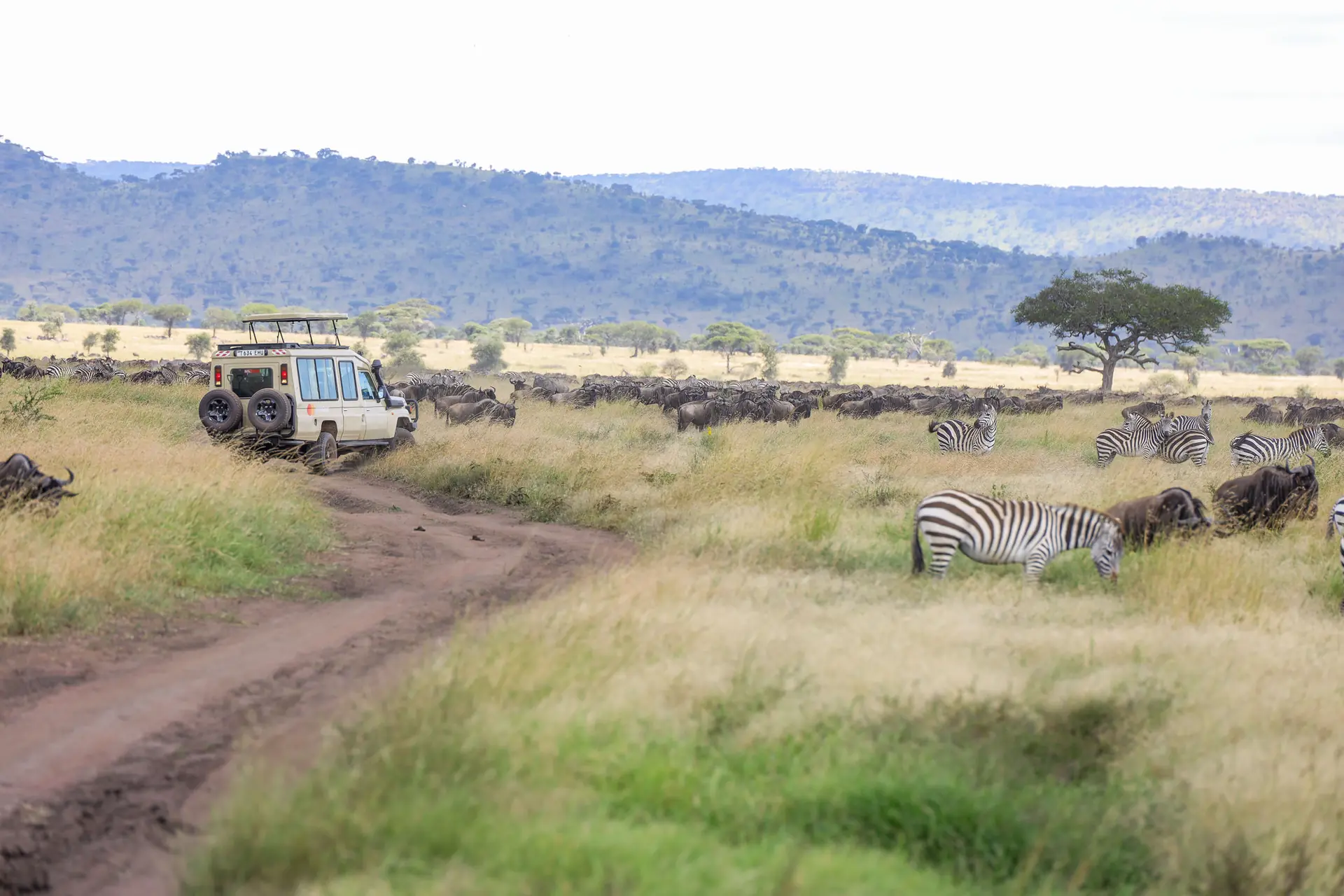
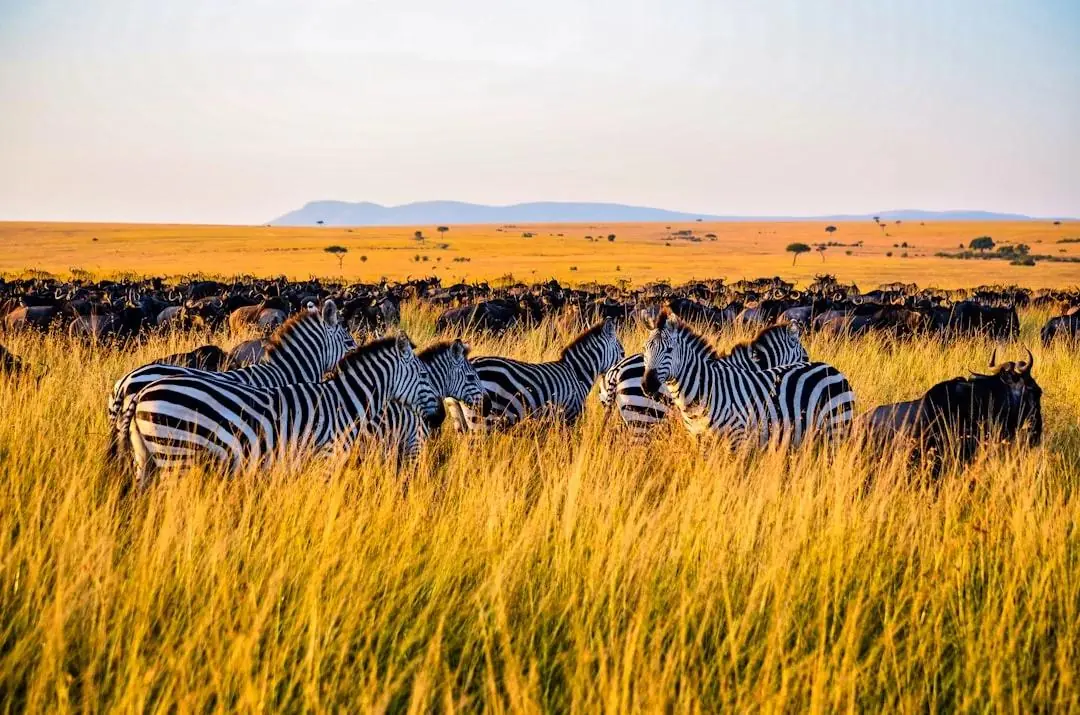
Plus d'un million de gnous, avec des zèbres et des gazelles, suivent les pluies selon un parcours à peu près circulaire à travers le Serengeti et le Maasai Mara au Kenya. Leur position dépend de la période de l'année.

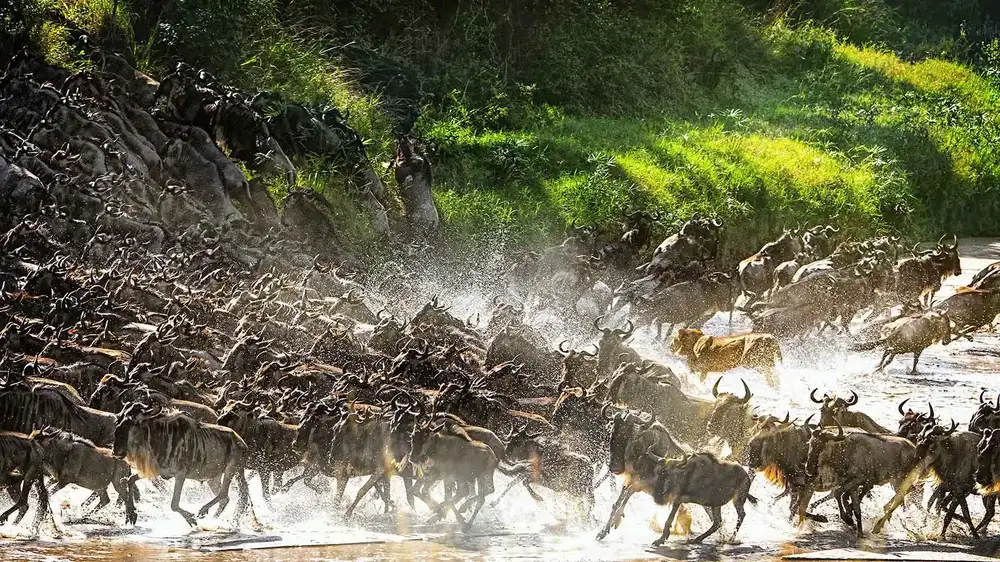
La saison des naissances va généralement de janvier à mars sur les plaines du sud, autour de Ndutu. Les traversées de rivière dans le nord, autour de Kogatende et de la rivière Mara, s'observent généralement entre juillet et octobre. Les troupeaux se déplacent ; nous planifions donc en fonction de leur position probable et la confirmons à l'approche de votre date de voyage.

KenyaTanzanieMara RiverGrumeti RiverLake VictoriaSERENGETILake NatronOl Doinyo LengaiLake EyasiMaswaLoliondoNMasai MaraKogatendeWestern CorridorSeroneraMoru KopjesNdutuLoboNgorongoro Crater

Assister à la Grande Migration

Jan

Mise bas dans les plaines du sud

Autour de Ndutu et dans le sud du Serengeti, les troupeaux se regroupent sur les plaines d'herbe rase et les petits naissent, généralement de janvier à mars.

Schéma typique uniquement. Les troupeaux suivent la pluie, le calendrier change donc chaque année. Carte illustrative, non destinée à la navigation.

Meilleure période pour y aller

Le Serengeti se visite toute l'année. La saison sèche, de juin à octobre, est la période la plus simple pour l'observation générale de la faune. Janvier à mars convient à la saison des naissances dans le sud, et juillet à octobre aux traversées de rivière dans le nord. Les grandes pluies d'avril et mai apportent des paysages plus verts, moins de véhicules et des tarifs d'hébergement plus bas.

Où séjourner

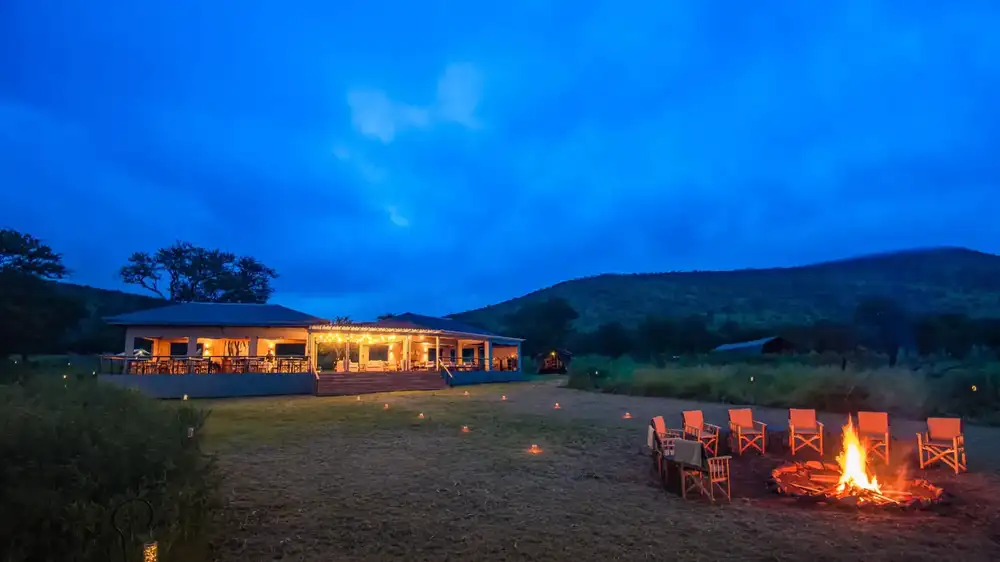
Choisissez entre lodges, camps de tentes permanents et camps mobiles. Séjourner dans la zone où se trouvent les troupeaux évite de longs trajets, et le bon camp dépend donc de vos dates.

Voir tous les hébergements

Que faire

  1. Safaris en voiture au lever du soleil et en fin d'après-midi
  2. Suivre la Grande Migration
  3. Vol en montgolfière à l'aube (optionnel)
  4. Petit-déjeuner ou dîner dans la brousse
  5. Visite des gorges d'Olduvai à l'aller ou au retour

Comment s'y rendre

Par la route depuis Arusha, le trajet prend une journée entière, généralement combiné avec Tarangire, le lac Manyara ou le Ngorongoro en chemin. Voyager en avion est plus rapide : des vols réguliers et affrétés atterrissent sur des pistes dans tout le parc, ce qui convient aux voyageurs disposant de peu de temps.
Durée de safari recommandée

Au moins trois nuits ; quatre à cinq nuits permettent de couvrir plus d'une zone.

Itinéraires passant par Parc national du Serengeti

Questions fréquentes

La Grande Migration est-elle un événement unique ?

Non. C'est un mouvement des troupeaux qui dure toute l'année, avec des temps forts différents selon les mois : les naissances dans le sud, le corridor ouest et les traversées de rivière dans le nord.

Peut-on voir les Big Five au Serengeti ?

Lions, léopards, éléphants et buffles s'y voient régulièrement. Les rhinocéros noirs sont rares et se voient généralement dans le cratère du Ngorongoro.

Demander un devis

Dites-nous ce que vous avez en tête, nous répondrons avec des conseils honnêtes et un devis sur mesure.

1 Vos coordonnées
2 Votre voyage
3 Demandes particulières

* obligatoire

Toutes les destinations

Plus de détails

Ce texte est disponible en anglais uniquement.

Serengeti: A Maasai word means that “An endless plain or where the land proceeds onward for eternity”

Serengeti National Park, an incomprehensible and lovely field of 14,763 square kilometers, is maybe the world’s most well-known untamed life asylum. A World Heritage Site and Biosphere Reserve, the Serengeti bolsters the biggest convergence of field diversion on the planet. Notwithstanding viewing the inconceivable parade of practically more than two million wildebeest and zebra that happens every year from early December in the South piece of the Serengeti (Ndutu Area) consistently, many individuals additionally visit the Serengeti to look for enormous felines.

Facts about Serengeti National Park

The Safari to Tanzania would be and in fact, it is incomplete without going to the Serengeti National Park . This is one of a kind sanctuary on the planet and one of the World Heritage Sites since 1972. With an area of 14,763 sq. km. the Park has numerous beautiful components: Grassland Savannah fields, wild, kopjes, more than 500 types of winged animals, etc. By the by, the most outstanding element is its fauna. It contains the best residual grouping of fields game in Africa and on a scale that has no equals on the planet.

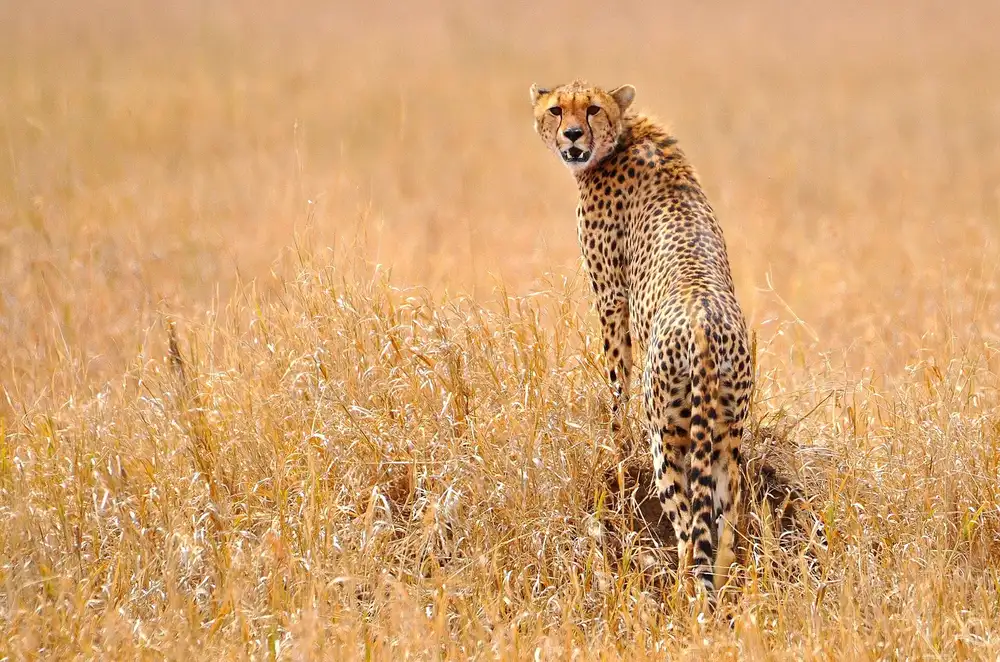
The park is the second largest park after Ruaha National Park and obviously the best park in Tanzania and East Africa . Extensive crowds of wild ox, gatherings of elephants and giraffes, and numerous countable quantities of topi, eland, impala, kongoni, give’s gazelle are accessible for seeing whenever of the year. The three major felines (Lions. Panthers and Cheetahs can likewise be seen. As normal lions are frequently discovered murdering something, if not an impala, it is a wildebeest or a zebra, and so forth. Cheetahs are extremely normal on the southeastern fields, while panthers can regularly be discovered resting lethargically in one of the vast trees close to Seronera River.

The Great Wildebeest Migration

The Serengeti National Park is notable for its yearly wildebeest movement when more than 2 million wildebeest joined by around 500,000 Thomson gazelles and around 200,000 zebras cross the Mara River yearning for new waters and fields.

Size And Location

  • The coverage area of 14,763 square kilometers
  • Located in Northern Tanzania at the following coordinates: 2.1540° S, 34.6857° E

Getting There

The best option to get there is to fly into Kilimanjaro International Airport (JRO) which is situated about 50km from Arusha. It is also possible to fly into Julius Nyerere International Airport (DAR), just outside of Dar es Salaam, and use a domestic flight to get to Arusha Airport (ARK). You can also opt to fly to Nairobi in Kenya at Jomo Kenyatta International Airport, NBO Wilson Airport, or Moi Air Base and take a shuttle transfer to Arusha about 300KM

From Arusha by road or scheduled flight to Serengeti.

What To Do

Game review, Cultural visits, picnicking and outdoors, shrubbery lunch/supper, expand safaris,

When To Go

The recreation center offers great natural life seeing consistently. June to October is the greatest month for seeing the movement including Mara River Crossing and February is the greatest month for the wildebeest calving. The dry season begins in June and ends in January every year and these months are best for broad game review.

Accommodation

  • Four Seasons Safari Lodge Serengeti, a 5-star hotel
  • Serengeti Serena Safari Lodge
  • Serengeti Sopa Lodge
  • Mapito Tented Camp
  • Ikoma Tented Camp

Parc national du Serengeti

Serengeti National Park is undoubtedly the best-known wildlife sanctuary in the world, unequalled for its natural beauty and scientific value, it has the greatest concentration of plains game in Africa

Serengeti Wildebeests Migration Map

The Serengeti National Park in Tanzania was established in 1952. It is home to the greatest wildlife spectacle on earth – the great migration of wildebeest and zebra. The resident population of lion, cheetah, elephant, giraffe, and birds is also impressive. There’s a wide variety of accommodation available, from luxury lodges to mobile camps. The park covers 5,700 sq miles, (14,763 sq km), it’s larger than Connecticut, with at most a couple hundred vehicles driving around.

The Park can be divided into 3 sections. The popular southern/central part (Seronera Valley), is what the Maasai called the “serengit”, the land of endless plains. It’s classic savannah, dotted with acacias and filled with wildlife. The western corridor is marked by the Grumeti River, and has more forests and dense bush. The north, Lobo area, meets up with Kenya’s Masai Mara Reserve, is the least visited section.

Two World Heritage Sites and two Biosphere Reserves have been established within the 30,000 km² region. It’s unique ecosystem has inspired writers from Ernest Hemingway to Peter Mattheissen, filmakers like Hugo von Lawick and Alan Root as well as numerous photographers and scientists

The Serengeti ecosystem is one of the oldest on earth. The essential features of climate, vegetation and fauna have barely changed in the past million years. Early man himself made an appearance in Olduvai Gorge about two million years ago. Some patterns of life, death, adaptation and migration are as old as the hills themselves.

It is the migration for which Serengeti is perhaps most famous. Over a million wildebeest and about 200,000 zebras flow south from the northern hills to the southern plains for the short rains every October and November, and then swirl west and north after the long rains in April, May and June. So strong is the ancient instinct to move that no drought, gorge or crocodile infested river can hold them back.

The Wildebeest travel through a variety of parks, reserves and protected areas and through a variety of habitat. Join us to explore the different forms of vegetation and landscapes of the Serengeti ecosystem and meet some of their most fascinating inhabitants.