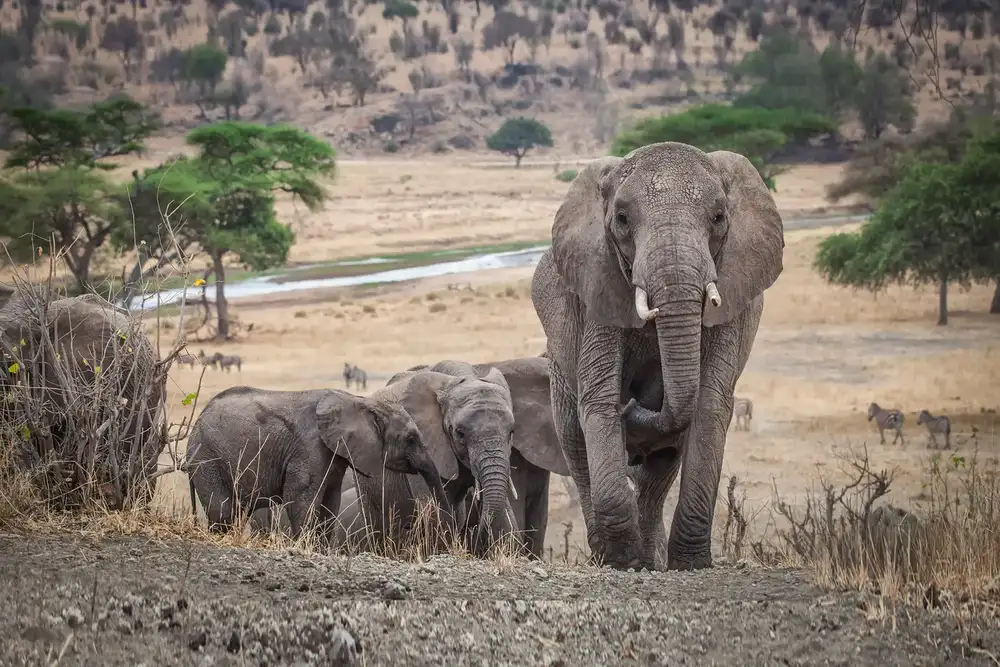


7TageKilimandscharo-Treks
7 Tage Kilimandscharo-Trekking, Machame-Route
Machame Gate · Shira · Barranco · Barafu · Uhuru Peak · Mweka GateUnterkunft: Camping am Berg
Preis auf Anfrage
Reiseverlauf ansehen
Ein ruhiger Start im Westen durch abgelegenen Regenwald, dann über das Shira-Plateau zu den südlichen Gletschern und zum Gipfel. Eine landschaftlich schöne Route mit guter Zeit zur Akklimatisierung.
Gilt als eine der schönsten Routen am Kilimandscharo.
Jede Reiseroute lässt sich anpassen, mit Unterkünften der Budget-, Mittel- oder Luxusklasse.

Tag 1
Anmeldung am Londorossi-Gate, Fahrt durch Ackerland zum Lemosho-Ausgangspunkt und leichter Waldpfad zum Camp.
Tag 2
Aus dem Wald ins Moorland mit riesigem Heidekraut und stetiger Aufstieg zum Rand des Shira-Plateaus, dann ein Stück über das Plateau zum Camp.
Tag 3
Ein Vormittagsaufstieg zum Mittagessen nahe der Lava-Tower-Abzweigung, dann Abstieg auf den Grund des Great Barranco Valley, einen von Felswänden geschützten Lagerplatz.
Tag 4
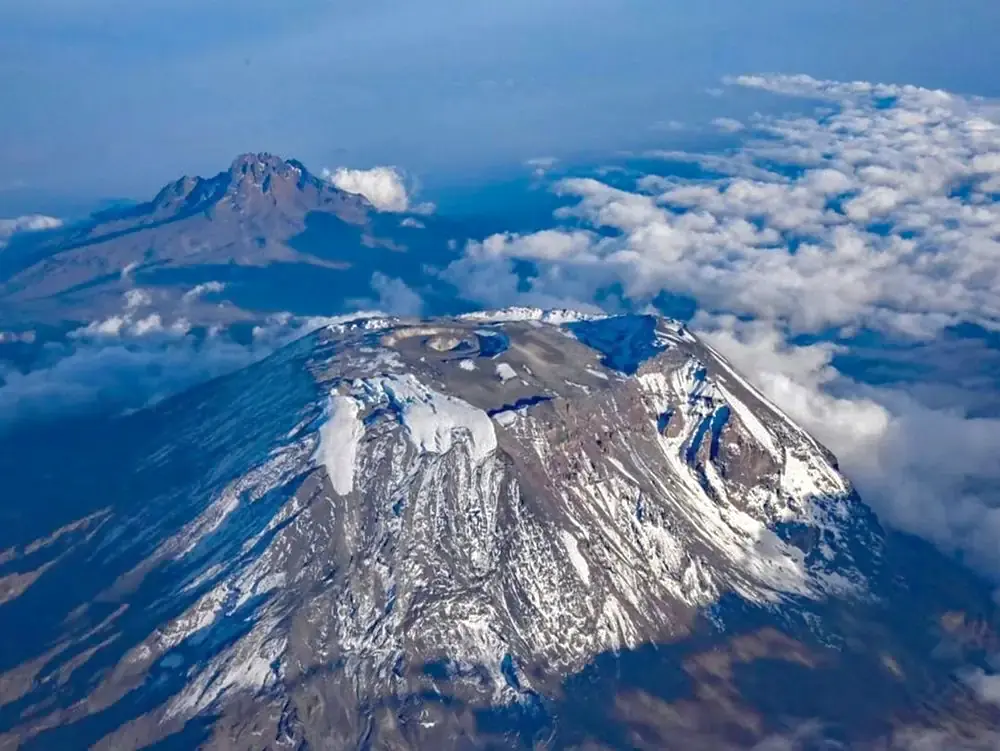
Aufstieg über die steile Barranco Wall, dann entlang der südöstlichen Flanke des Kibo mit Blick auf die Südlichen Eisfelder nach Karanga, dem letzten Wasserpunkt vor dem Gipfel.
Tag 5
Ein leichter Weg über festes Geröll nach Barafu, mit einem kurzen Akklimatisierungsweg auf 4.800 m. Früh ausruhen vor dem Gipfel.
Tag 6
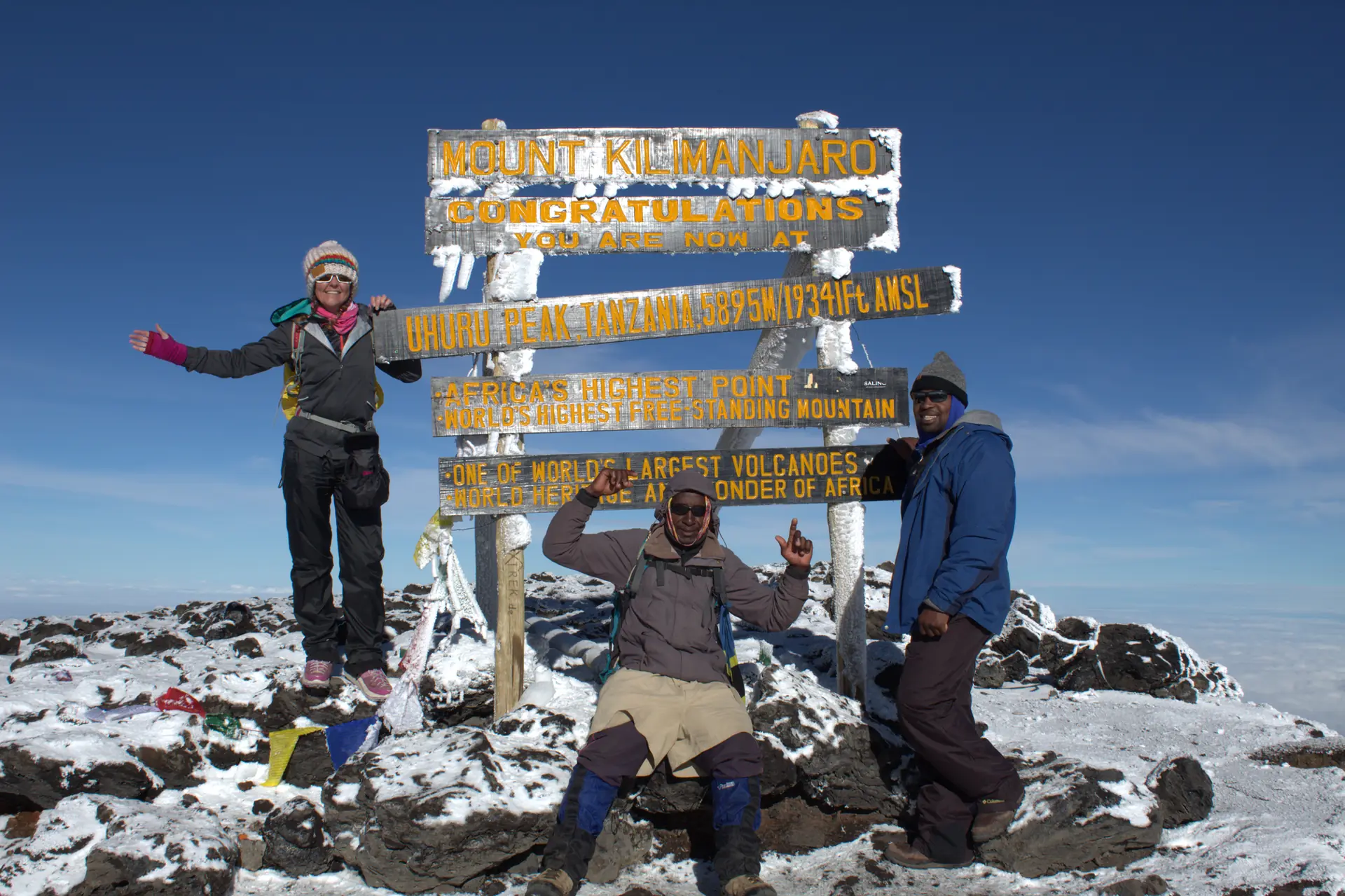
Start gegen 1 Uhr mit Stirnlampe, um zum Sonnenaufgang den Stella Point (5.735 m) zu erreichen, dann weiter zum Uhuru Peak, wenn Sie sich stark fühlen. Abstieg zum Millennium Camp.
Tag 7
Langer Abstieg durch Wald zum Mweka-Gate, dann durch Kaffee- und Bananenplantagen ins Dorf Mweka.
Inklusivleistungen und Ausschlüsse werden in Ihrem schriftlichen Angebot bestätigt.
Wir zeigen nur echte, überprüfbare Bewertungen von den Plattformen, auf denen unsere Gäste sie geschrieben haben.
Nein. Der Kilimandscharo ist ein Trek und keine technische Kletterei und erfordert weder besondere Ausrüstung noch Kletterkenntnisse. Sie müssen aber fit sein.
Auf der siebentägigen Machame-Route erreichen mehr als 95 % unserer Teilnehmer den Gipfel, dank des zusätzlichen Akklimatisierungstages und sorgfältiger Planung. Auf kürzeren Routen sind die Erfolgsquoten niedriger.
Ja. Für die Besteigung ist eine umfassende Reise- und Krankenversicherung erforderlich.
Nein. Trinkgelder für Guides, Träger und Koch sind üblich und nicht im Preis enthalten.
Ja. Das ist eine beliebte Kombination, und wir planen die ganze Reise für Sie. Siehe unsere Seiten Safari + Kilimandscharo und Safari + Sansibar.
Erzählen Sie uns, was Sie vorhaben, und wir antworten mit ehrlicher Beratung und einem individuellen Angebot.
Anzahlung, Zahlungsarten, Stornierung und Erstattung sind in unseren Buchungsbedingungen geregelt. Buchungsbedingungen lesen
Unterkunft: Camping am Berg
Preis auf Anfrage
Reiseverlauf ansehenUnterkunft: Berghütten
Preis auf Anfrage
Reiseverlauf ansehenUnterkunft: Berglager, danach Lodges
Preis auf Anfrage
Reiseverlauf ansehenUnterkunft: Hotel und Lodge am Kraterrand
Preis auf Anfrage
Reiseverlauf ansehenUnterkunft: Lodge oder Camp laut Angebot
Preis auf Anfrage
Reiseverlauf ansehenUnterkunft: Lodges und Zeltcamps
Preis auf Anfrage
Reiseverlauf ansehenDieser Text ist nur auf Englisch verfügbar.

This is regarded as one of the prettiest route on Kilimanjaro. We begin trekking in the thick, fertile rainforest until we reach the wildflowers and shrubs of the heath ecosystem. Approaching from the west, we cross one of most beautiful areas on Kilimanjaro, the vast Shira Plateau, before traversing the mountain along the southern circuit. The Lemosho route is for those with previous backpacking experience.

After completing the necessary registration formalities at Londorossi National Park gate, we drive through varied farmland with open views over the plains to reach the Lemosho road head. The last section of the road is of poor quality and difficult to drive after rain, sometimes we start walking a kilometer or two below the road head. We often have our lunch at the road head before starting to walk. It is an easy day of walking up a small path through beautiful and lush forest. We camp at Lemosho Big Tree C amp (2,650 m); [2-3 hours walking]
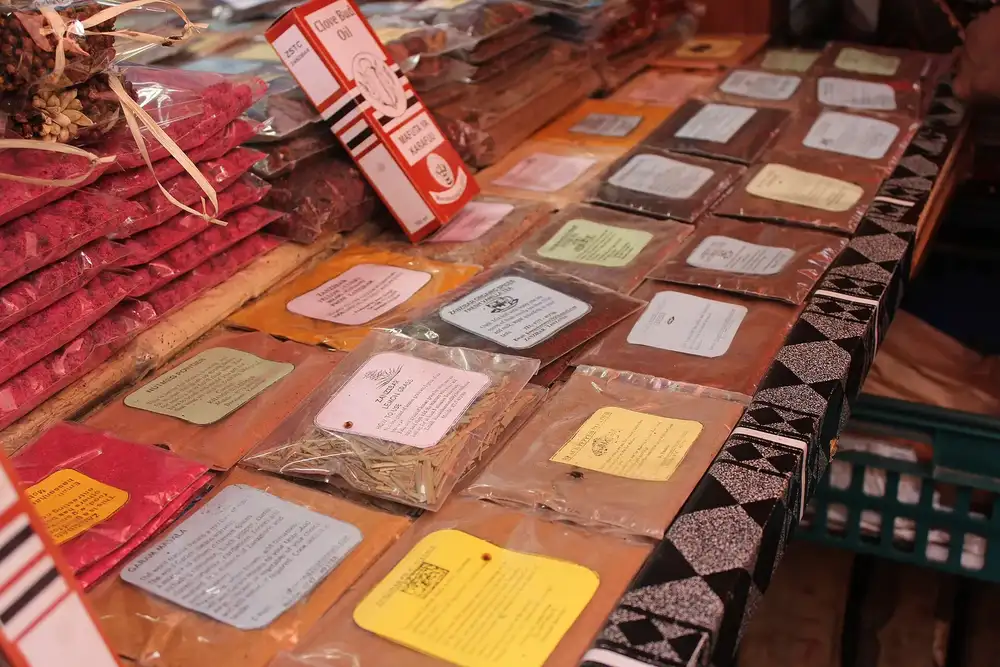
We soon leave the forest behind and enter the moorland zone of giant heather. The trail climbs steadily with wide views to reach the rim of the Shira Plateau . There is a tangible sense of wilderness, especially if afternoon mists come in! We walk part way across the plateau to Shira One Camp (3,550 m) [6-8 hours walking]
A morning of sustained ascent and panoramic views brings us to lunch near the Lava Tower junction (4,550 m.). The trail then descends to the bottom of the Great Barranco valley (3,900 m); another spectacular campsite sheltered by towering cliffs and with extensive views of the plains far below. [7-9 hours walking]
A steep climb up the Barranco Wall leads us to an undulating trail on the south-eastern flank of Kibo, with superb vistas of the Southern Icefields. The terrain changes to scree, with pockets of lush vegetation in sheltered hollows, and there is only a short distance to our camp at Karanga (4,000 m), the last water point on the way to the summit. [4-5 hours walking]
We follow an easy path on compacted scree with wide views that gains altitude unrelentingly to reach the Barafu campsite (4,600 m) for lunch. There is a short acclimatization walk to the plateau at the bottom of the South-East valley (4,800 m). The remainder of the day is spent resting in preparation for the final ascent before a very early night. [3-5 hours walking]
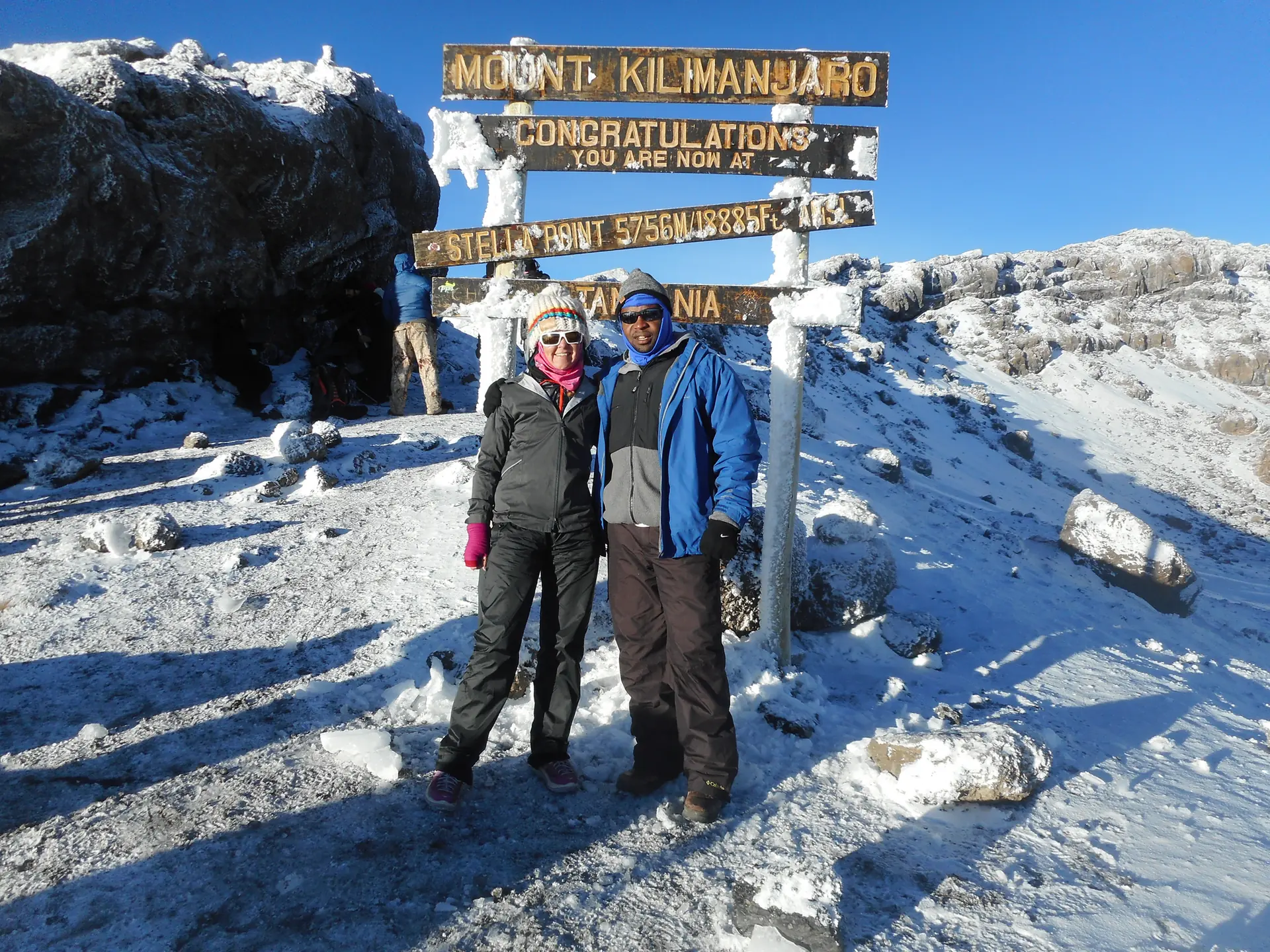
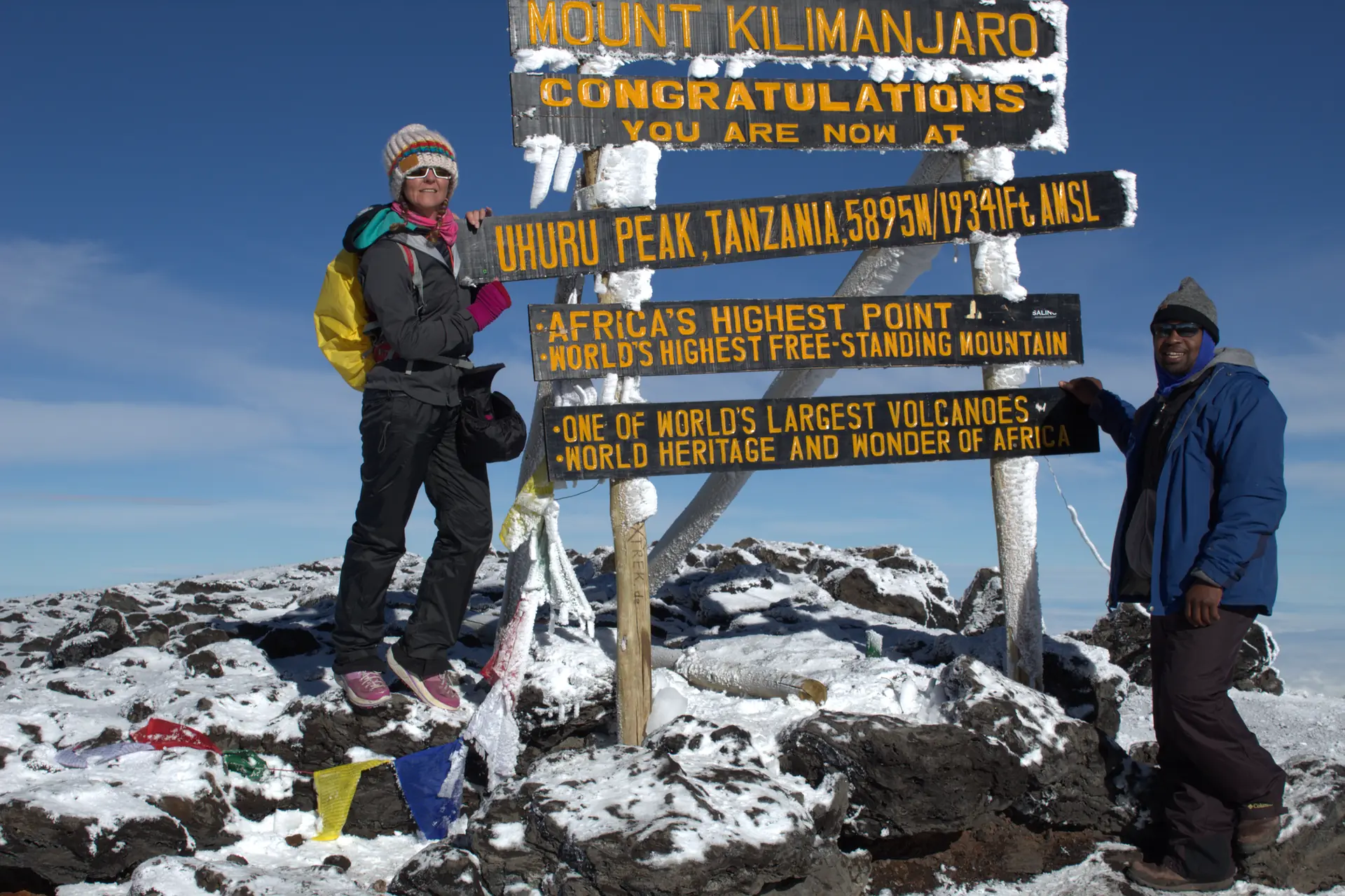
We will start our ascent by torchlight at about 1 a.m. so that we can be up on the Crater rim by sunrise. The steep climb over loose volcanic scree has some well-graded zig-zags and a slow but steady pace will take us to Stella Point (5,735 m), in about five or six hours. We will rest there for a short time to enjoy the sunrise over Mawenzi. Those who are still feeling strong can make the two hour round trip from here along the crater rim to Uhuru Peak (5,896 m), passing close to the spectacular glaciers and ice cliffs that still occupy most of the summit area. The descent to Barafu is surprisingly fast, and after some refreshment, we continue to descend to reach Millennium Camp (3,800 m). [10-15 hours walking]
A sustained descent through lovely forest with lush undergrowth takes us to the National Park gate at Mweka (1,650 m); and on through coffee and banana farms to Mweka village. [4-6 hours walking]