
Quando andare
Non esiste un periodo davvero sbagliato per visitare la Tanzania; i mesi ottimali dipendono dalle zone del Paese che si intende visitare e dai propri interessi principali.
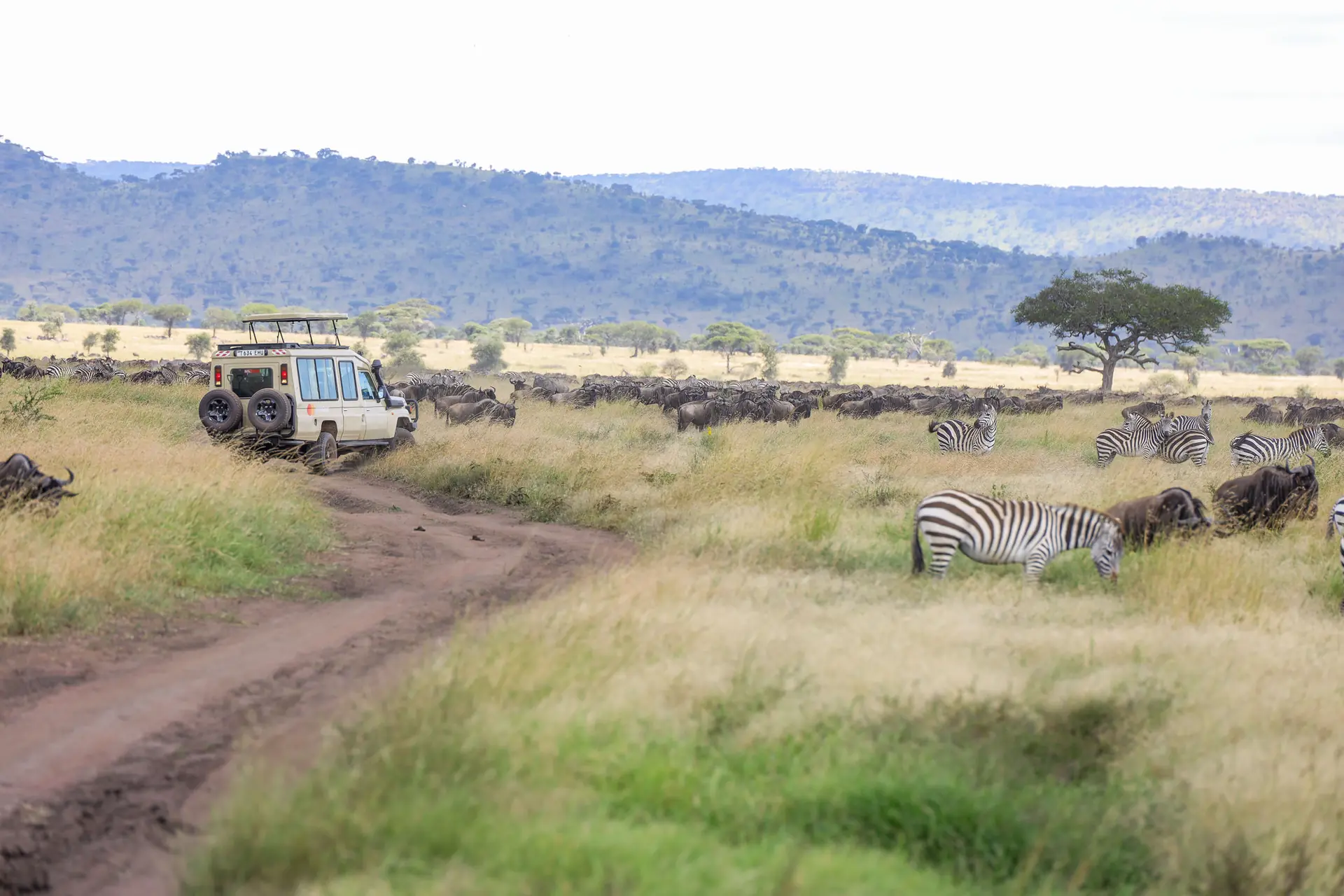
L'alta stagione turistica nel nord coincide con l'inverno europeo, e gennaio e febbraio sono particolarmente buoni perché è il periodo in cui gli gnu partoriscono. La bassa stagione va in genere da metà aprile a settembre, ma il turismo aumenta in giugno e luglio, quando l'attività migratoria raggiunge il picco nel Serengeti. Maggio, benché a volte piovoso, può essere un mese eccellente per la visita, con buone possibilità di assistere alla migrazione nell'estremo sud e relativamente pochi altri turisti.
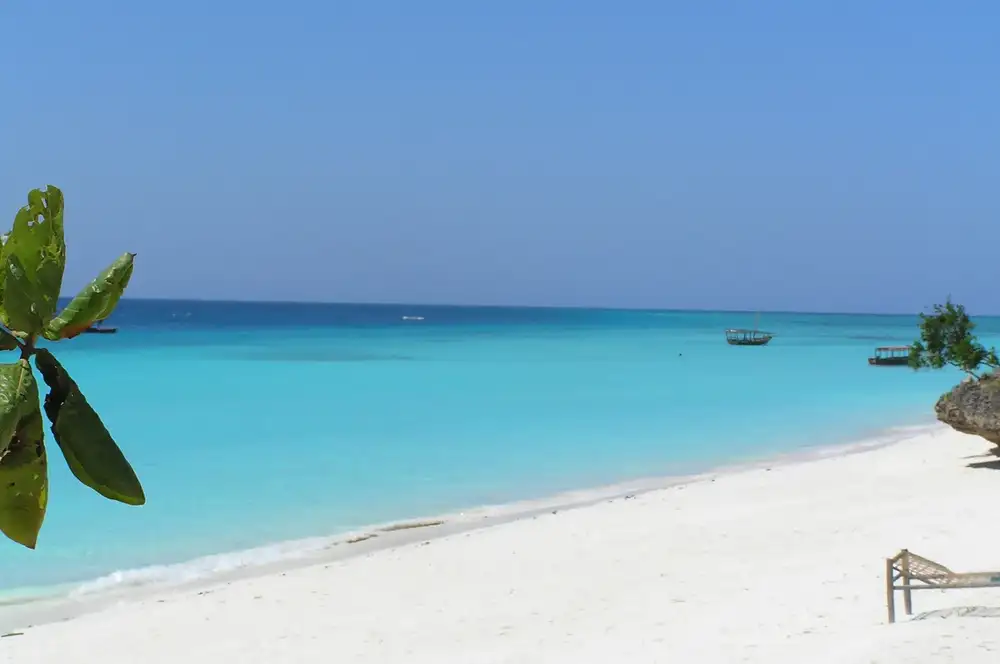
La costa e le isole al largo sono da evitare nei mesi di forti precipitazioni, da marzo a maggio. Questa parte calda e umida del Paese è più piacevole nei mesi relativamente freschi e asciutti, da giugno a ottobre, che sono anche il periodo in cui il rischio di malaria è più basso.
Il circuito sud è meglio tra luglio e novembre e va evitato da aprile a giugno, quando diversi lodge chiudono in previsione del picco della stagione delle piogge.
I mesi asciutti di marzo e settembre sono in genere considerati i migliori per il trekking sul Monte Kilimangiaro e sul Monte Meru, anche se entrambe le montagne si possono scalare in qualsiasi periodo dell'anno.
Da novembre ad aprile si ha il miglior birdwatching, con le specie residenti integrate da diversi migratori paleartici e intra-africani.
Requisiti
Il passaporto valido è obbligatorio e non deve scadere entro sei mesi dalla data prevista di partenza dalla Tanzania.
Il visto è richiesto dalla maggior parte dei visitatori e costa 30-60 USD, a seconda della nazionalità. Si può ottenere all'arrivo in qualsiasi aeroporto internazionale o valico di frontiera terrestre, una procedura semplice che non richiede fotografie né altri documenti oltre al passaporto.
Un normale visto turistico è di solito valido per tre mesi dall'arrivo e consente più ingressi in Tanzania dai vicini Kenya, Uganda e Ruanda, ma non da altri Paesi.
Per chi preferisce ottenere il visto in anticipo, esistono ambasciate o alti commissariati della Tanzania in Angola, Belgio, Regno Unito, Burundi, Canada, Cina, CSI, Congo, Egitto, Etiopia, Francia, Germania, Guinea, India, Giappone, Kenya, Mozambico, Namibia, Paesi Bassi, Nigeria, Ruanda, Sudan, Svezia, Uganda, Stati Uniti, Zambia e Zimbabwe.
Come arrivare
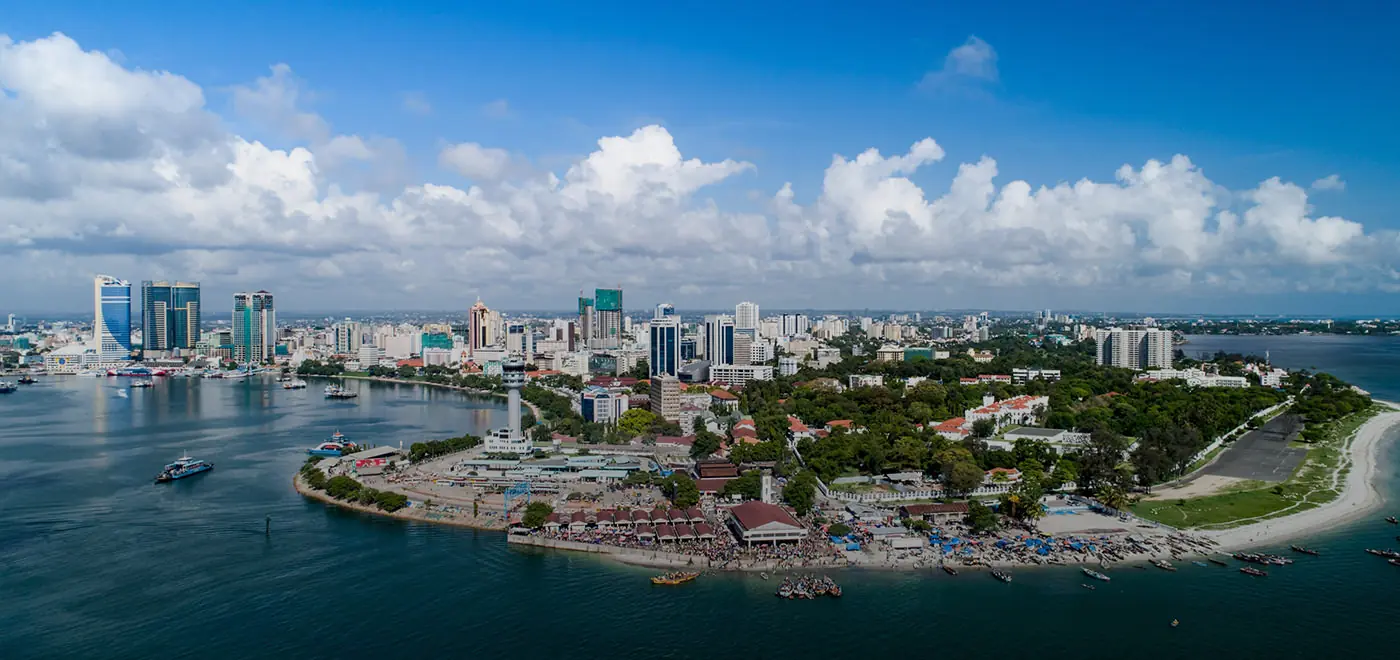
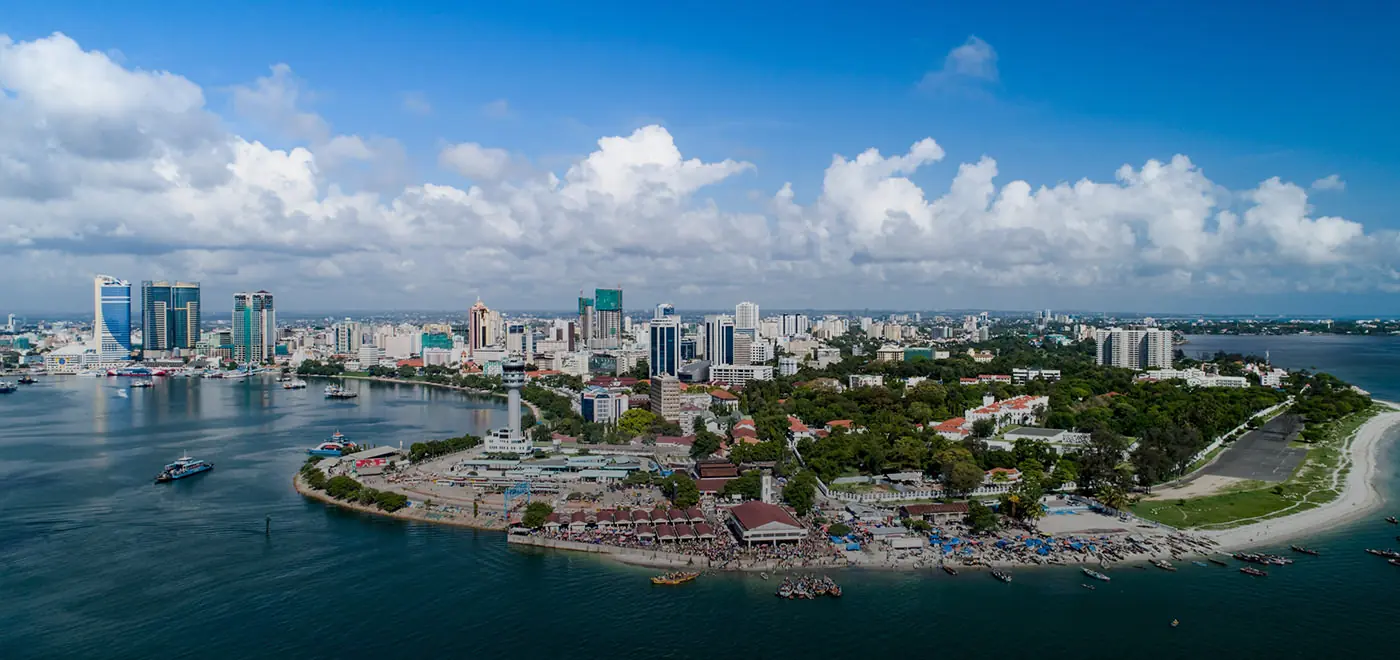
Gli aeroporti internazionali sono tre. Dar es Salaam è utilizzato dalla maggior parte delle compagnie aeree internazionali ed è comodo per chi viaggia per lavoro o per chi esplora il circuito safari del sud. L'alternativa sulla terraferma è l'Aeroporto Internazionale del Kilimangiaro (KIA), che si trova a metà strada tra Moshi e Arusha ed è ben posizionato come punto di partenza per i safari nel Serengeti e nelle altre riserve del nord. Alcuni voli internazionali atterrano a Zanzibar.
Air Tanzania, British Airways, Gulf Air, KLM, Lufthansa e Swissair volano tutte in Tanzania dall'Europa, mentre tra le compagnie africane che servono la Tanzania ci sono EgyptAir, Ethiopian Airlines, Kenya Airways e South African Airways.
Una volta in Tanzania, una buona rete di voli interni collega il Kilimangiaro, Dar es Salaam e Zanzibar, oltre ad altre località meno visitate. Anche compagnie private gestiscono voli di linea verso la maggior parte del Paese, tra cui Dar es Salaam, Zanzibar, Pemba, Mafia, Serengeti (Grumeti e Seronera), Ngorongoro, lago Manyara, Mwanza, isola di Rubondo, Kigoma, Selous, Ruaha, Katavi e Mahale.
Molti turisti atterrano a Nairobi (Kenya) e poi proseguono in volo per Arusha con uno dei diversi operatori regionali. Diversi servizi di navetta sicuri e convenienti collegano le due città attraverso il posto di frontiera di Namanga, con partenze intorno alle 08:00 e alle 14:00 ogni giorno e quattro ore di viaggio in entrambe le direzioni.
Cosa portare in Tanzania
Si porti almeno un cambio di camicia e di biancheria intima per ogni giorno di safari, perché organizzare il bucato lungo il percorso può essere noioso. La polvere rende quasi obbligatorio cambiarsi ogni giorno, perciò può essere una buona idea tenere da parte una o due camicie da usare solo la sera.
Pantaloncini e maglietta sono perfettamente adeguati come abbigliamento diurno in safari, ma di notte possono servire pantaloni lunghi e abiti più caldi, per proteggersi dal freddo e dalle zanzare. Calze e biancheria intima dovrebbero essere in tessuti naturali.
Chi intende scalare il Kilimangiaro dovrebbe chiedere al proprio operatore consigli specifici sull'abbigliamento.
Gli abitanti della costa e delle isole al largo, in prevalenza musulmani, sono abituati ai turisti e abbastanza tolleranti verso i codici di abbigliamento occidentali. Ciononostante è consigliabile propendere per un abbigliamento sobrio, soprattutto in ambito urbano e nelle zone abitate.
Il binocolo è essenziale per osservare gli animali lontani nelle riserve. Per la maggior parte degli usi vanno bene binocoli compatti 7x21, ma chi pratica il birdwatching troverà più utile un ingrandimento 10x e dovrebbe portare con sé una buona guida da campo.
Chi porta le lenti a contatto si porti tutti i liquidi necessari e, se possibile, un paio di occhiali di riserva; molti partecipanti ai safari trovano che la combinazione di sole, polvere e secchezza irriti gli occhi.
Contanti, traveller's cheque, carte di credito, passaporti e altri documenti importanti vanno portati preferibilmente in una cintura portavalori da nascondere sotto i vestiti. Dovrebbe essere di cotone o di un altro tessuto naturale e il contenuto potrebbe essere avvolto nella plastica per proteggerlo dal sudore.
Altri articoli utili sono una torcia, un coltellino, una piccola sveglia e un repellente per zanzare efficace.
Denaro
L'unità monetaria è lo scellino tanzaniano, diviso in 100 cent. Il tasso di cambio di circa 1 USD = 1.150 Tsh è abbastanza stabile, ma come la maggior parte delle valute africane lo scellino si è costantemente svalutato rispetto alle valute forti negli ultimi anni. Le banconote sono da 10.000, 5.000, 1.000, 500 e 200 Tsh ed è spesso molto difficile trovare il resto per i tagli più grandi, perciò si portino banconote di vario taglio.
La maggior parte delle compagnie di safari e degli hotel di categoria turistica indica le tariffe in dollari USA e molti si aspettano di essere pagati in valuta forte. Le tariffe dei parchi nazionali e le tasse portuali e aeroportuali devono essere pagate in valuta forte e sono trattate come operazioni in valuta estera. Per il resto, i conti di ristoranti o bar, gli acquisti in mercati o negozi e la maggior parte degli altri acquisti occasionali si pagano preferibilmente in valuta locale; i fornitori di servizi rivolti all'economia locale raramente hanno infatti la possibilità di accettare banconote straniere.
Contanti in valuta estera e traveller's cheque possono essere cambiati in scellini tanzaniani in qualsiasi banca o ufficio di cambio (noti localmente come forex bureau). Gli orari delle banche sono 08:30-12:30 nei giorni feriali, con apertura fino alle 15:00 nelle città più grandi, e 08:30-11:30 il sabato. La maggior parte degli uffici di cambio privati resta aperta fino alle 16:00 o più tardi, ma tratta solo contanti.
La legalizzazione degli uffici di cambio privati ha eliminato il mercato nero che un tempo prosperava in Tanzania e si può dare per scontato che chiunque offra di cambiare denaro per strada sia un truffatore.
Le banconote in dollari USA stampate prima del 2002, in particolare i tagli più grandi come 100 e 50 USD, possono essere rifiutate da banche e uffici di cambio.
Le carte di credito sono ampiamente accettate nei negozi e nelle strutture simili rivolti ai turisti ad Arusha, Dar es Salaam e Zanzibar, oltre che nella maggior parte dei lodge nei parchi e negli hotel di fascia alta. Possono anche essere usate per prelevare contanti direttamente da un bancomat a Dar es Salaam, Arusha e Mwanza. Lontano da questi pochi centri principali e dai lodge turistici di alto livello le carte servono poco ed è meglio portarle come riserva e non come fonte primaria di fondi. Visa è di gran lunga la carta più accettata, ma anche MasterCard e American Express sono accettate in un numero limitato di esercizi.
Fotografia
La fotografia naturalistica sarà molto frustrante senza un obiettivo piuttosto grande, idealmente da 300 mm o più. Gli obiettivi fissi luminosi offrono la qualità migliore ma sono costosi e ingombranti, perciò la maggior parte delle persone ripiega su uno zoom, che permette di giocare con la composizione senza cambiare obiettivo. I moltiplicatori di focale sono un modo economico e compatto per aumentare l'ingrandimento, ma comportano una perdita di qualità.
Un solido sacchetto di appoggio (beanbag), che si può realizzare da soli con pochissima spesa, aiuta a evitare immagini mosse quando si fotografano animali da un veicolo. Un'altra possibilità è un morsetto con una testa per treppiede avvitata.
Si pianifichi in anticipo la ricarica delle batterie della fotocamera digitale e dei dispositivi di memoria. La maggior parte degli hotel e dei lodge ha prese di ricarica, ma è meglio informarsi prima. In campeggio può essere necessario ricaricare dalla batteria dell'auto. In ogni caso, ci si assicuri di avere con sé tutti i caricabatterie, i cavi e i convertitori, oltre a una memoria sufficiente per conservare le foto.
In genere i tanzaniani trovano inaccettabile essere fotografati senza permesso e molte persone si aspettano un'offerta prima di accettare di essere fotografate. Non si cerchi di scattare foto di nascosto, perché si potrebbe incorrere in problemi, soprattutto con i masai, molto suscettibili su questo punto.
Giorni festivi
Oltre al Venerdì Santo, al Lunedì dell'Angelo, all'Idd-ul-Fitr, al Capodanno islamico e al compleanno del Profeta, che cadono in date diverse ogni anno, in Tanzania si osservano i seguenti giorni festivi:
- 1 gennaio: Capodanno
- 12 gennaio: Giorno della Rivoluzione di Zanzibar
- 5 febbraio: Giorno del CCM
- 26 aprile: Giorno dell'Unione (anniversario dell'unione tra Tanganica e Zanzibar)
- 1 maggio: Festa internazionale dei lavoratori
- 7 luglio: Saba Saba (Giorno dei contadini)
- 8 agosto: Nane Nane (Giorno degli agricoltori)
- 14 ottobre: Giorno della memoria di Nyerere
- 9 dicembre: Giorno dell'Indipendenza
- 25 dicembre: Natale
- 26 dicembre: Santo Stefano
Comunicazioni
Gli internet café sono numerosissimi nelle città più grandi come Dar es Salaam, Zanzibar, Arusha, Mwanza e Moshi, e la navigazione è più veloce e conveniente che nella maggior parte dei Paesi africani, anche se può sembrare piuttosto lenta agli europei abituati alla banda larga ultraveloce.
L'accesso a internet di solito non è disponibile nelle riserve di caccia e nei parchi nazionali e i pochi lodge che offrono servizi di navigazione o e-mail tendono ad applicare tariffe molto alte. Semplifica molto le cose avvisare chi è a casa che durante il safari si sarà fuori dalla copertura internet.
Le telefonate internazionali si possono fare in qualsiasi centro TCC Extelcomms o in hotel di alto livello.
La rete di telefonia mobile è eccellente in città e nei dintorni, ma più discontinua nei parchi nazionali e nelle riserve di caccia.
Un'alternativa alle costose tariffe internazionali applicate alle chiamate effettuate dalla Tanzania con un cellulare non tanzaniano sarebbe acquistare una SIM locale e usare il servizio locale a consumo, molto economico per chiamate locali e internazionali e per gli SMS.
I numeri tanzaniani che iniziano con 07 sono cellulari, mentre tutti gli altri sono linee fisse. In entrambi i casi bisogna eliminare lo zero iniziale e aggiungere il prefisso internazionale +255 se si chiama dall'esterno della Tanzania (ad esempio 0767 338 733 diventa 00255 767 338 733 se composto dal Regno Unito o da altri Paesi dell'UE).
Per qualsiasi numero internazionale composto dall'interno della Tanzania bisogna anteporre tre zeri.
Alloggio
Una buona scelta di alloggi, dalle pensioni economiche locali agli hotel d'affari e boutique di livello internazionale, è disponibile nei centri urbani visitati regolarmente come Dar es Salaam, Arusha e Zanzibar, ma gli hotel nelle città meno frequentate tendono a non raggiungere gli standard internazionali.
Gli alloggi nelle riserve di caccia e nei parchi nazionali sono quasi sempre eccellenti e vanno dai grandi «hotel nella savana» ben gestiti ma impersonali, con fino a 100 camere, ai campi tendati esclusivi che di solito hanno da 6 a 20 unità abitative.
Strutture per il campeggio relativamente economiche sono disponibili nella maggior parte dei parchi nazionali e delle riserve di caccia della Tanzania.
Cibo e bevande
In safari tutti i pasti si consumano di solito al lodge o al campo e la qualità va da adeguata a eccellente. La maggior parte dei lodge offre un menu fisso giornaliero, perciò è consigliabile indicare in anticipo se si è vegetariani o si hanno altre esigenze alimentari specifiche.
La maggior parte dei lodge offre la possibilità di una colazione e/o un pranzo al sacco, di qualità variabile, che permettono però di mangiare al volo senza dover organizzare le ore di osservazione degli animali intorno agli orari dei pasti.
Nelle città più grandi come Dar es Salaam, Mwanza, Morogoro, Arusha e Moshi, diversi ristoranti propongono cucina internazionale di alta qualità, con una presenza particolarmente forte di locali indiani.
I piatti base locali comprendono un denso porridge di mais chiamato ugali o un piatto a base di platano cotto chiamato matoke, entrambi di solito serviti con uno stufato insipido di pollo, manzo, montone o fagioli. Lungo la costa è disponibile ottimo pesce e frutti di mare.
Sono disponibili le consuete bibite analcoliche in bottiglia (note localmente come soda). Vengono imbottigliate localmente circa dieci diverse birre lager, tra cui le più diffuse sembrano essere Castle, Kilimanjaro e Serengeti.
I vini sudafricani sono ampiamente disponibili nei lodge e negli hotel e sono in genere di alto livello e a prezzi ragionevoli per gli standard internazionali.
Acquisti di artigianato
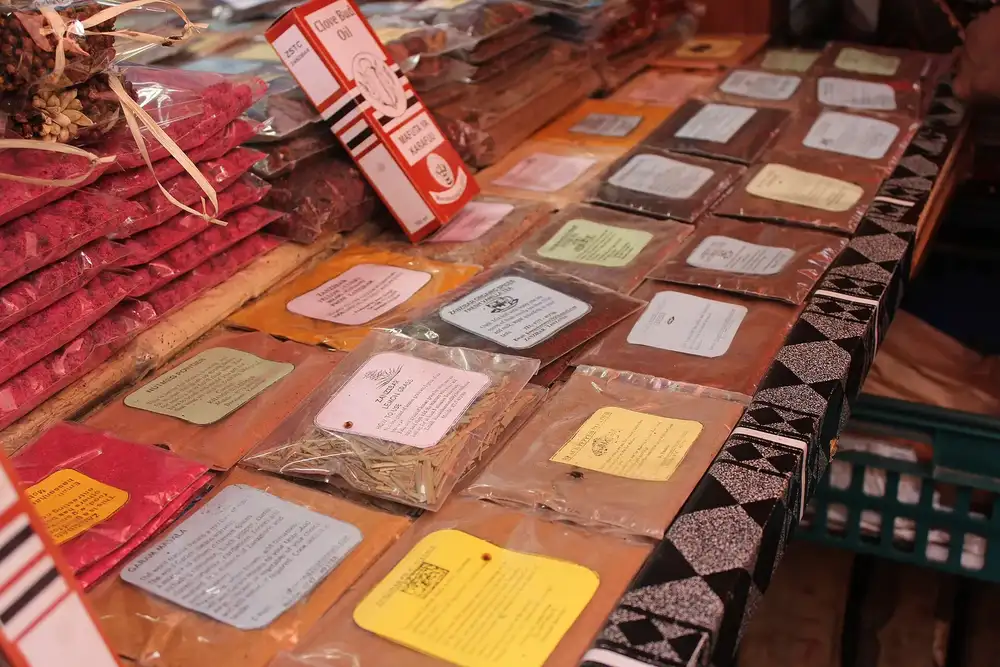
Tra gli articoli più diffusi ci sono sculture makonde, dipinti tingatinga, batik, strumenti musicali, cucchiai di legno e varie piccole sculture in pietra ollare e malachite.
I colorati vitenge (singolare: kitenge) indossati dalla maggior parte delle donne tanzaniane si trovano a poco prezzo in qualsiasi mercato del Paese.
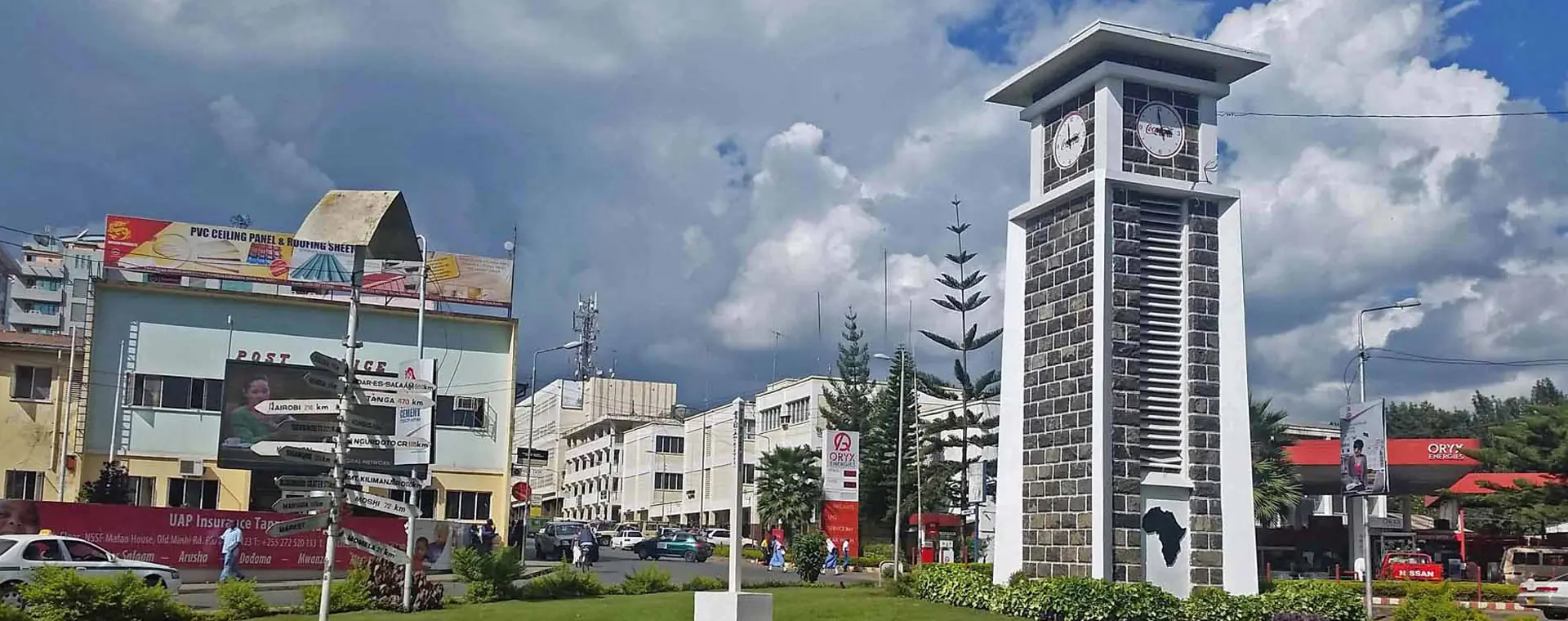
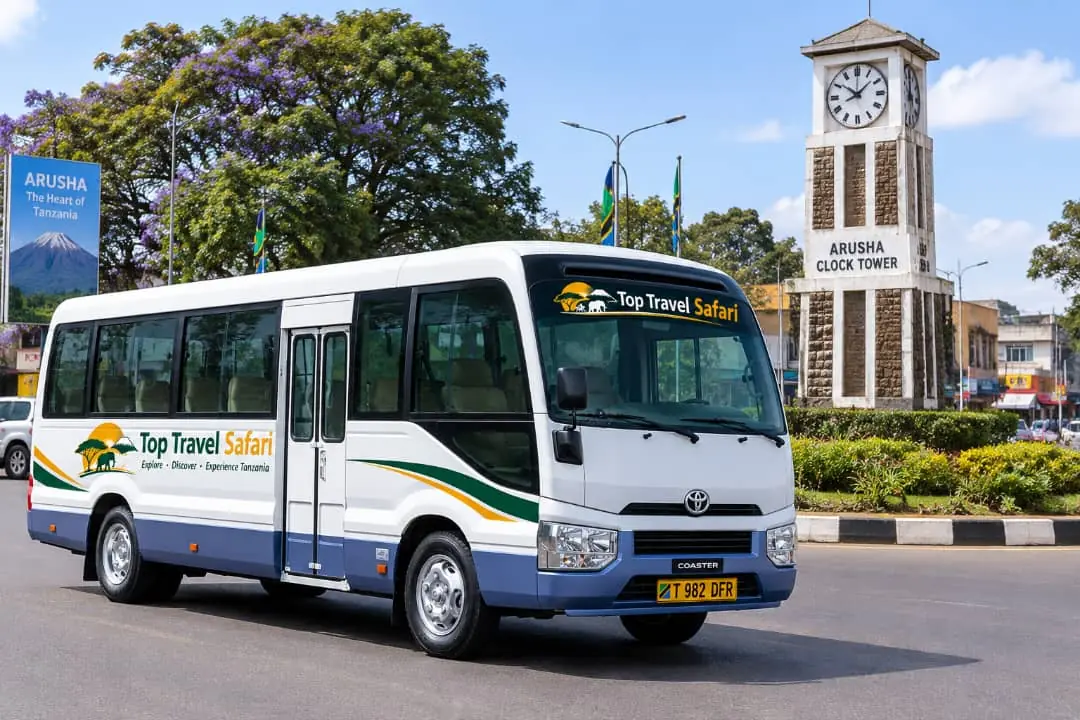
I negozi di curiosità vicino alla torre dell'orologio di Arusha sono il posto migliore per acquistare souvenir, con una qualità discreta a prezzi competitivi, ma una buona scelta è disponibile anche a Zanzibar e in molti negozi degli hotel di alto livello.
I prezzi nei negozi sono fissi, mentre quelli proposti alle bancarelle sono molto negoziabili. A meno che non si sia bravi a contrattare, alla bancarella si rischia di pagare più che in un negozio.
Etichetta
I saluti formali sono presi sul serio; anche se non si parla swahili è educato salutare una persona con un sorridente «jambo» o «habari» prima di iniziare a conversare.
È considerato di cattivo gusto che uomini e donne mostrino affetto in pubblico; tenersi per mano, baciarsi o abbracciarsi sarebbe seriamente offensivo. Stranamente, è del tutto normale che amici dello stesso sesso camminino tenendosi per mano.
Nelle società islamiche è considerato offensivo che una donna scopra le ginocchia o le spalle, un'usanza di cui le viaggiatrici dovrebbero tenere conto, soprattutto in alcune zone della costa dove i turisti sono ancora una relativa novità.
È consuetudine dare una mancia alla guida alla fine di un safari o di una scalata del Kilimangiaro, così come all'eventuale cuoco o portatore che accompagna il gruppo. Una cifra di circa 15-20 USD al giorno è accettata come riferimento, anche se è consigliabile verificarla in anticipo con la propria compagnia di safari.
Nei ristoranti è accettabile una mancia tra il 5 e il 15%, a seconda delle circostanze.
Criminalità
I livelli di criminalità sono relativamente bassi, anche se è saggio non aggirarsi in una città sconosciuta dopo il tramonto; i taxi sono facilmente reperibili.
Il rischio di piccoli furti è maggiore nelle stazioni degli autobus e nei mercati, dove è meglio evitare di portare oggetti di valore sciolti in tasca o nello zaino da giornata.
In qualsiasi contesto urbano, si cerchi di evitare di ostentare la propria ricchezza con una fotocamera appesa al collo, gioielli costosi, borse o cinture portavalori portate all'esterno.
Salute
La preoccupazione principale è la malaria. Tutti i visitatori dovrebbero assumere farmaci profilattici. È inoltre vivamente consigliato coprirsi la sera, usare repellente e dormire sotto una zanzariera o bruciare una spirale antizanzare per ridurre il rischio di punture.
L'acqua del rubinetto è sospetta, ma l'acqua minerale è ampiamente disponibile e a prezzi ragionevoli.