


Destinations in Tanzania
From the Serengeti plains to the beaches of Zanzibar, the places we take you.
Northern circuit
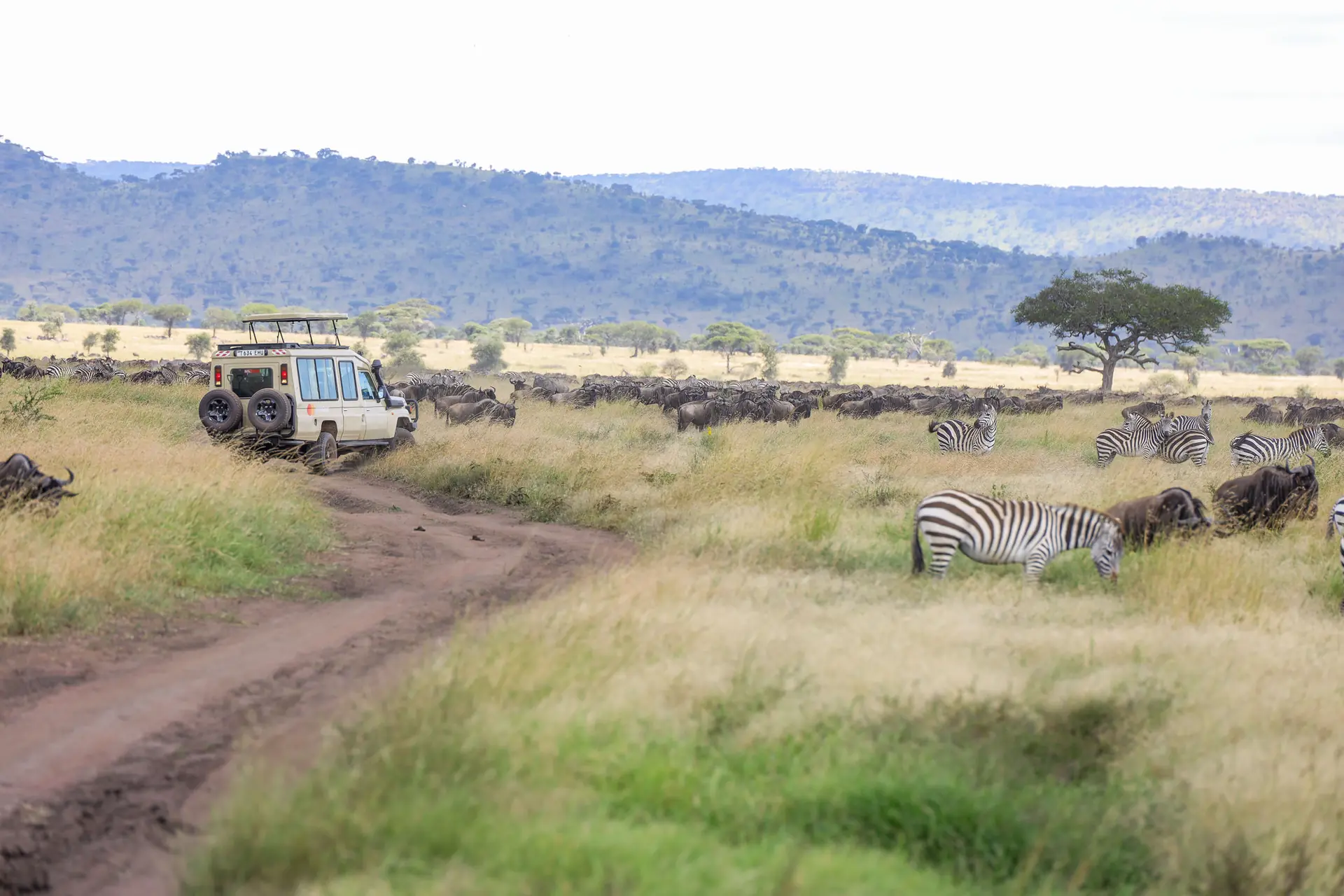
Serengeti National Park
Vast savannahs and the world-famous Great Migration. The Serengeti is home to the Big Five, and its central Seronera area is one of the richest wildlife habitats in Tanzania.Itineraries: 6
Ngorongoro Crater
One of the planet's most remarkable wildlife sanctuaries, often called Africa's Garden of Eden. A conservation area rather than a national park, shared by wildlife and the local Maasai.Itineraries: 4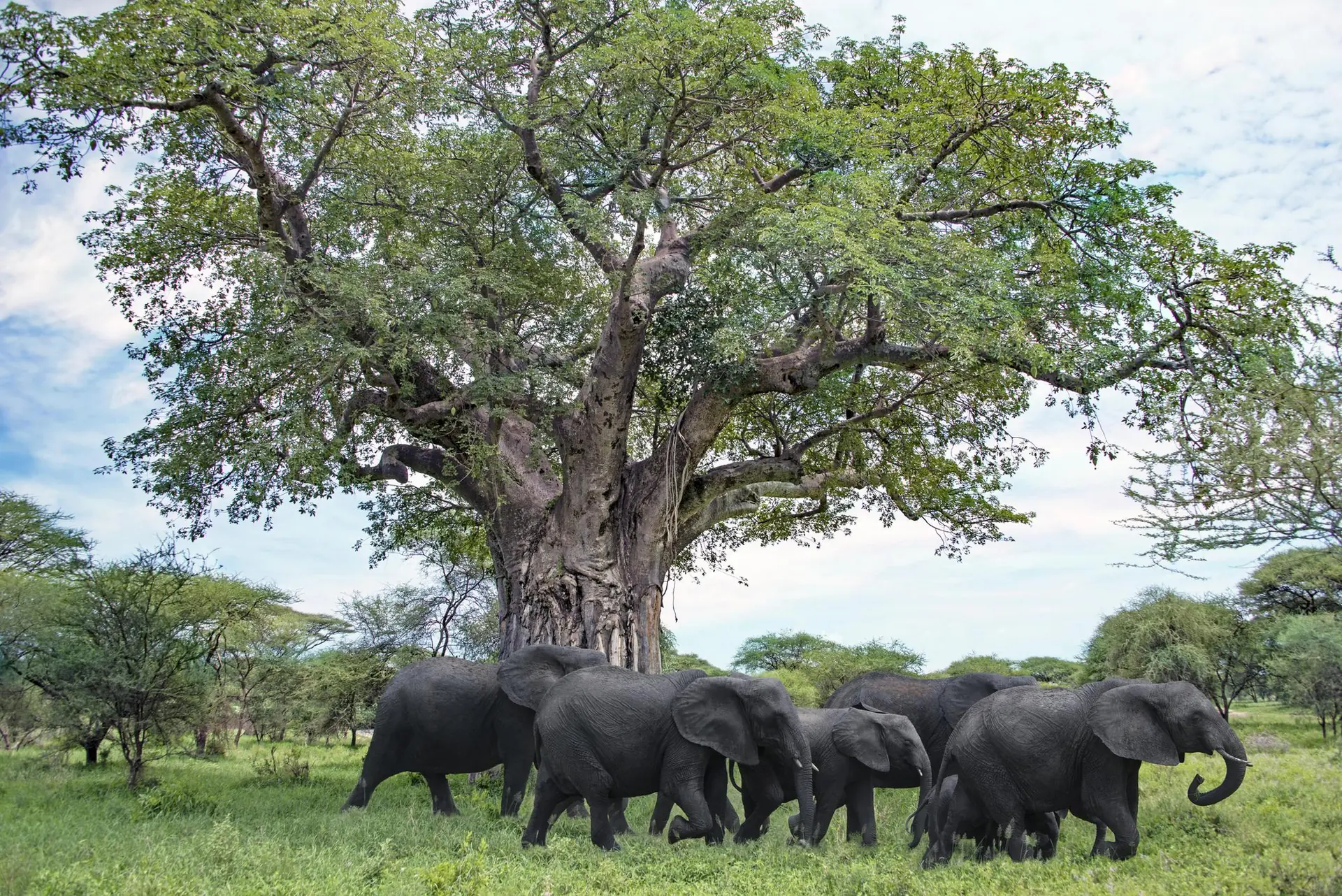
Tarangire National Park
Celebrated for its massive elephant herds and baobab-dotted landscapes.Itineraries: 3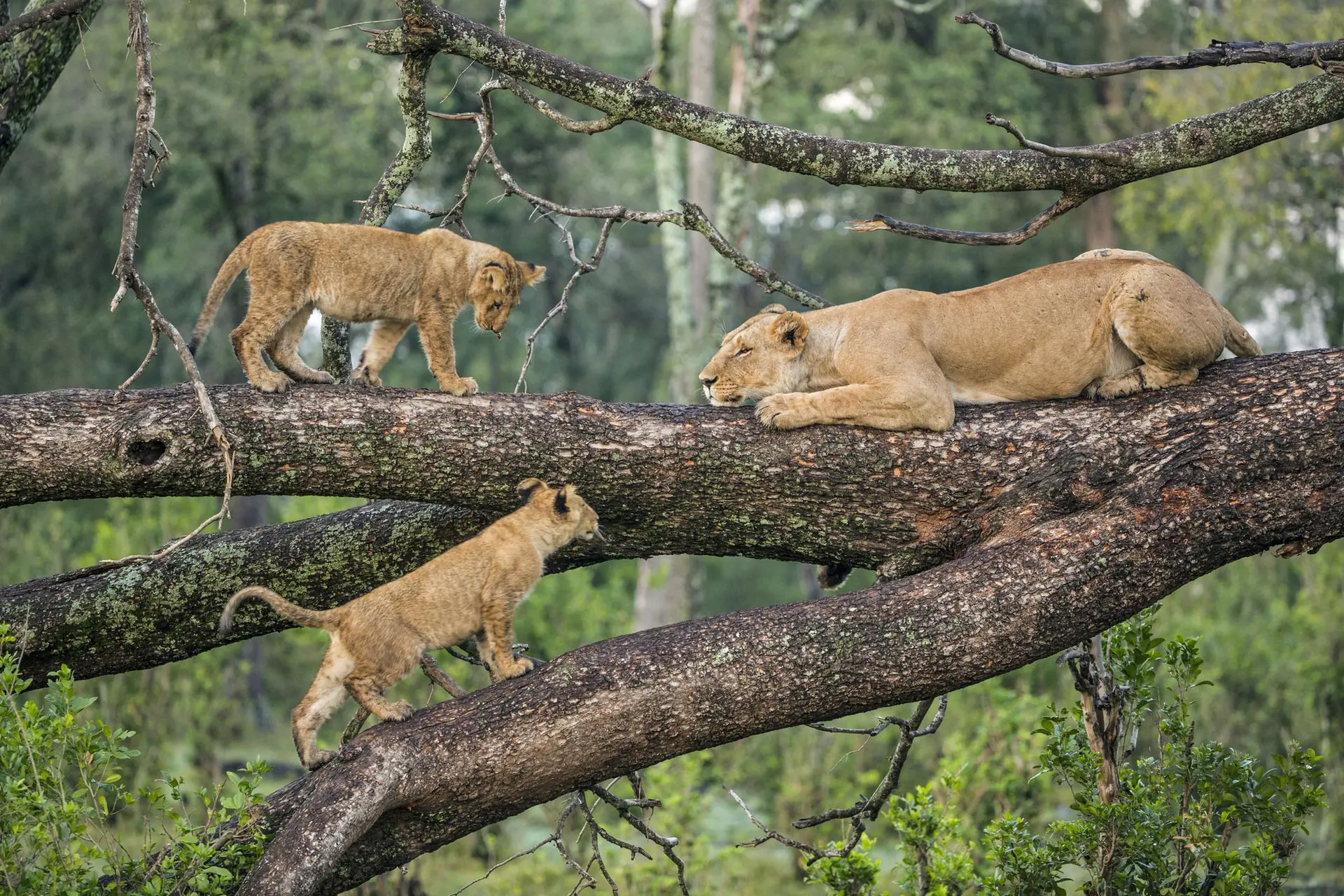
Lake Manyara
Known for its tree-climbing lions and pink flamingos, with groundwater forest, baobab cliffs and more than 400 recorded bird species.Itineraries: 2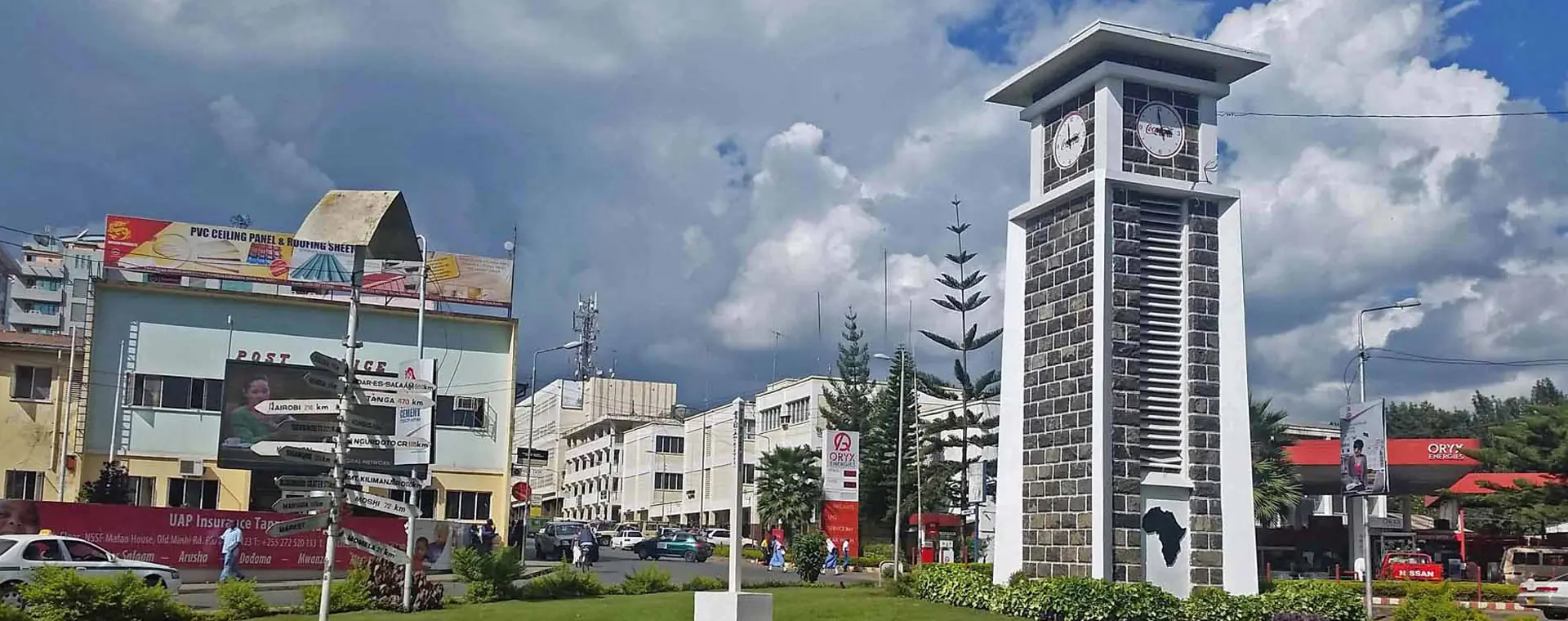
Arusha
The gateway to the northern safari circuit and Kilimanjaro, at the foot of Mount Meru, with Arusha National Park close by.
The peak and the island


The wild south and west

Nyerere National Park
The former northern Selous, a wild southern park along the Rufiji River, with boat safaris, walking safaris and few other visitors.
Ruaha National Park
A remote park in central Tanzania known for large lion prides, elephants and the Great Ruaha River, far from the northern crowds.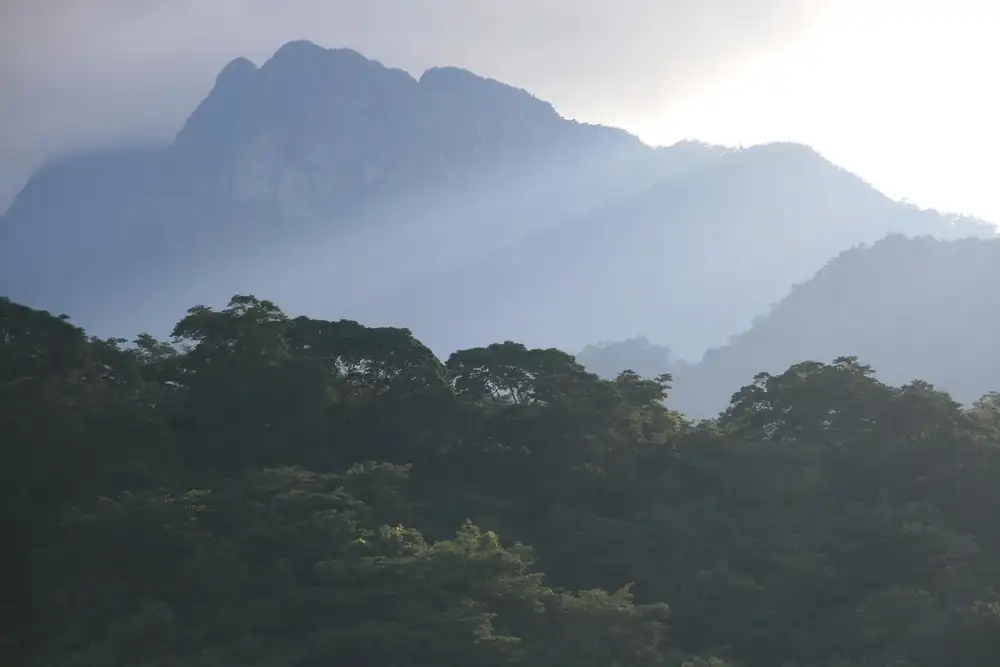
Udzungwa Mountains
The largest and most biodiverse of a chain of about a dozen large, forest-covered mountains.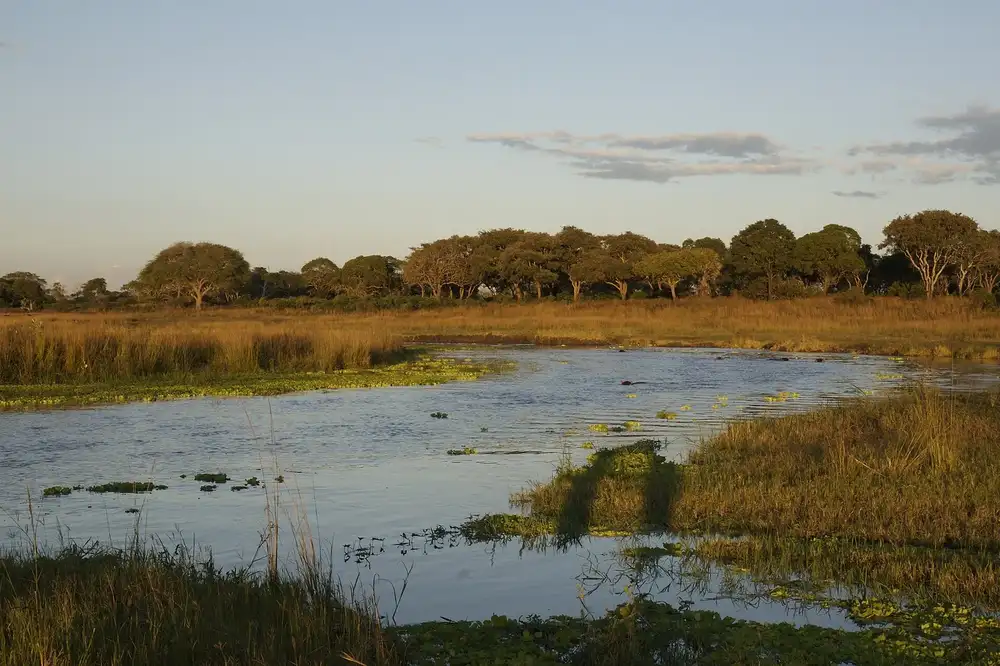
Katavi National Park
In Tanzania's far west, Katavi and neighbouring Mahale Mountains are two of the country's lesser-known national parks.
Tanzania's parks at a glance
Tanzania's best-known parks are in the north: the Serengeti for the Great Migration and big cats, the Ngorongoro Crater for its dense wildlife in a volcanic caldera, Tarangire for elephants and baobabs, and Lake Manyara for forest, birdlife and views of the Rift Valley escarpment. Each of these parks shows a different side of Tanzania. In a single trip you can move from open grassland to a volcanic crater, from baobab woodland to a forested lakeshore, and the wildlife changes with the landscape: cheetahs on the plains, elephants under the baobabs, flamingos on the soda lakes and black rhino on the crater floor.
Further south, Nyerere National Park and Ruaha are larger and far less visited. They suit travellers who have been on safari before or who want boat safaris, walking safaris and a stronger sense of wilderness. Distances in the south are large, and the camps are small and widely spread, which gives a feeling of space that is hard to find elsewhere. Activities such as boat trips on the rivers and guided walks bring you closer to the details of the bush, and the parks combine well with a few days on Zanzibar, which is a short flight away.
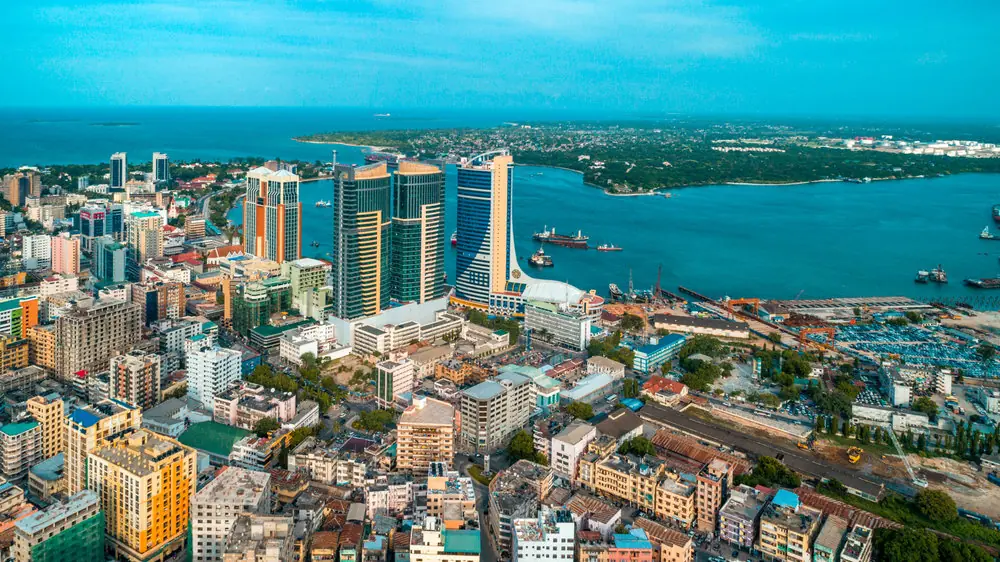
Combining destinations
The northern parks are close enough to link by road, which keeps a safari simple and gives you time to watch wildlife between parks. The southern parks are usually reached by light aircraft from Dar es Salaam, Arusha or Zanzibar. A typical northern route starts in Arusha and makes a loop through Tarangire, Lake Manyara, the Ngorongoro Crater and the Serengeti, returning by road or by a short flight. Driving lets you see the villages, farms and changing scenery between the parks, while flying saves time when you want to spend more of your trip in the Serengeti.
Many travellers combine the north with Zanzibar, or with a Kilimanjaro climb before the safari. Your consultant can suggest an order that limits long drives and makes the most of the season. If you are climbing Kilimanjaro, the safari is the perfect way to recover afterwards, and finishing with a beach stay gives the trip a relaxed ending. We arrange the flights between the mainland and the coast, and we plan the overall order so that the busiest days come early and the quieter, more restful days come at the end.
When to visit each area
Tarangire is at its best in the dry season, when elephants gather along the river. The Serengeti is good all year, but the herds move: the south in the early months of the year, the west around May and June, and the north from July to October. In practice, every month has something to offer. The wet months bring green landscapes, newborn animals and migratory birds, and far fewer vehicles at the sightings, while the dry months concentrate wildlife around water and make game viewing easier. Knowing what you most want to see helps us choose the right parks for your dates.
The Ngorongoro Crater has resident wildlife and can be visited in any month. The southern parks are best from June to November, and some of their camps close in the long rains. The crater is busy in the peak months, so we plan an early start to enjoy it before most other vehicles arrive. In the south, the dry season offers excellent game viewing along the rivers, and some camps remain open in the green season for travellers who do not mind the rain and enjoy having the landscape to themselves.