


Stone Town
A UNESCO World Heritage Site
Zanzibar's historic heart, with narrow alleys, carved doors, markets and a long history of trade across the Indian Ocean.
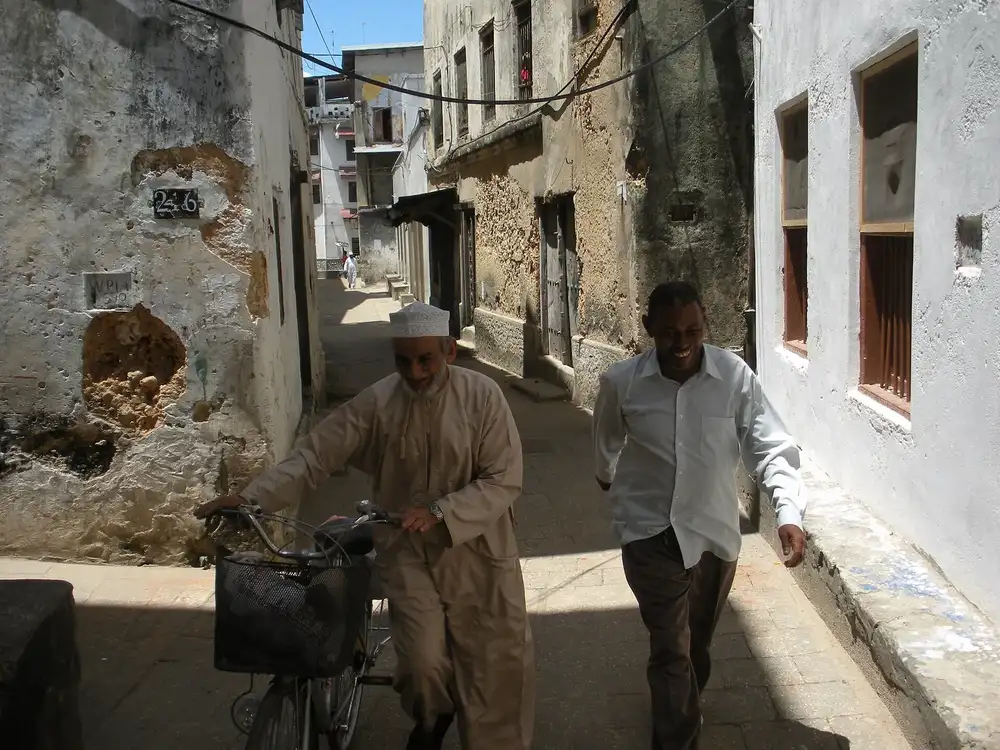
Stone Town, also known as Mji Mkongwe (the old town), is the historic heart of Zanzibar. Its narrow alleys, carved wooden doors, bazaars and merchants' houses show a mix of Arab, Persian, Indian and European influences, and the town is a UNESCO World Heritage Site.
A guided walk takes you to the site of the old slave market, the City Market and fish auction, the Palace Museum, House of Wonders, Old Fort and Forodhani Gardens, where the evening food market serves grilled seafood and Zanzibari snacks.
Highlights
- Old Slave Market and Anglican cathedral
- City Market and fish auction
- House of Wonders and Old Fort
- Forodhani night market
Best for
History, culture, food and photography.
A town shaped by trade
For centuries, dhows sailed with the monsoon winds between Zanzibar, Arabia, Persia and India, and in the 19th century the island became the capital of the Omani sultans. Stone Town grew from that trade, with merchants' houses, mosques, churches, Hindu temples and bazaars side by side. Walking through the town today, you can still see the layers of that history: Omani palaces, Indian shopfronts with balconies, British colonial offices and Swahili houses with shaded courtyards. Many buildings are made of coral stone and lime, which gave the town its name, and some have been carefully restored as hotels, museums and restaurants.
The town also has a darker history as a centre of the East African slave trade. The memorial and exhibition at the site of the former slave market, beside the Anglican cathedral, tell that story with care. Visiting the site is a moving experience, and a local guide can explain the history with care and context. It is an important part of understanding Zanzibar and the wider Swahili coast, and many visitors find it one of the most meaningful parts of their stay.
The doors of Zanzibar
Stone Town is famous for its carved wooden doors, many with brass studs. Doors with rectangular frames are often described as Arab or Omani in style, while doors with rounded tops are usually called Indian. Some doors date back more than a century, and craftsmen in town still carve new ones using traditional tools and designs. The brass studs are said to recall the doors of India, where they kept elephants from pushing doors open, though on Zanzibar they were mainly decorative.
The carvings show patterns such as lotus flowers, chains and fish, and a grand door was a sign of the owner's wealth and status. Spotting them is one of the pleasures of a walk through the alleys. Photographers love the doors, and many visitors bring home a small carved box or panel made in the same style. Your guide can point out the most famous doors and explain the symbols on each one.
Tips for your visit
The alleys are a maze, so a local guide is the easiest way to see the main sights and learn their history. Mornings and late afternoons are cooler for walking. Take water, a hat and comfortable shoes, as the streets are narrow and the town can be hot in the middle of the day. Evening is a pleasant time to walk along the seafront and visit the night food market, where you can try grilled seafood, Zanzibar pizza and fresh sugarcane juice.
Dress modestly in town, with shoulders and knees covered. Many visitors stay one or two nights in a restored Stone Town house before moving on to the beach. Staying in the old town lets you explore at your own pace, hear the call to prayer over the rooftops and enjoy dinner on a rooftop terrace overlooking the sea. It makes a perfect contrast with the beach and is a good place to rest after a long journey.
More in Zanzibar
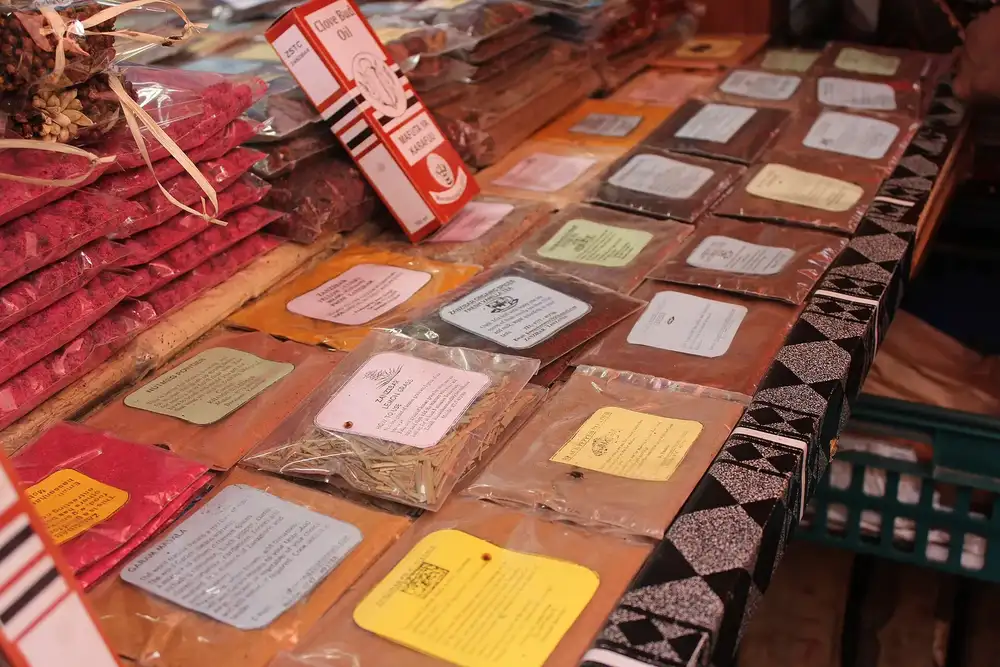 Spice FarmZanzibar, the Spice IslandTouch, smell and taste clove, nutmeg, cinnamon and vanilla.
 Prison IslandChanguu Island and its giant tortoisesA short boat trip from Stone Town to giant tortoises and clear water.
 Safari BlueA full-day dhow trip from FumbaSandbank, snorkelling and a seafood lunch under the sail.