


Chagga Culture
Life on the slopes of Kilimanjaro: farms, waterfalls and traditional food.
Discover Chagga culture on the slopes of Mount Kilimanjaro, with farm visits, waterfalls, coffee and a traditional lunch.
Overview
The Chagga people live on the fertile slopes of Mount Kilimanjaro, where they grow coffee and bananas in terraced farms with a long tradition of water channels.
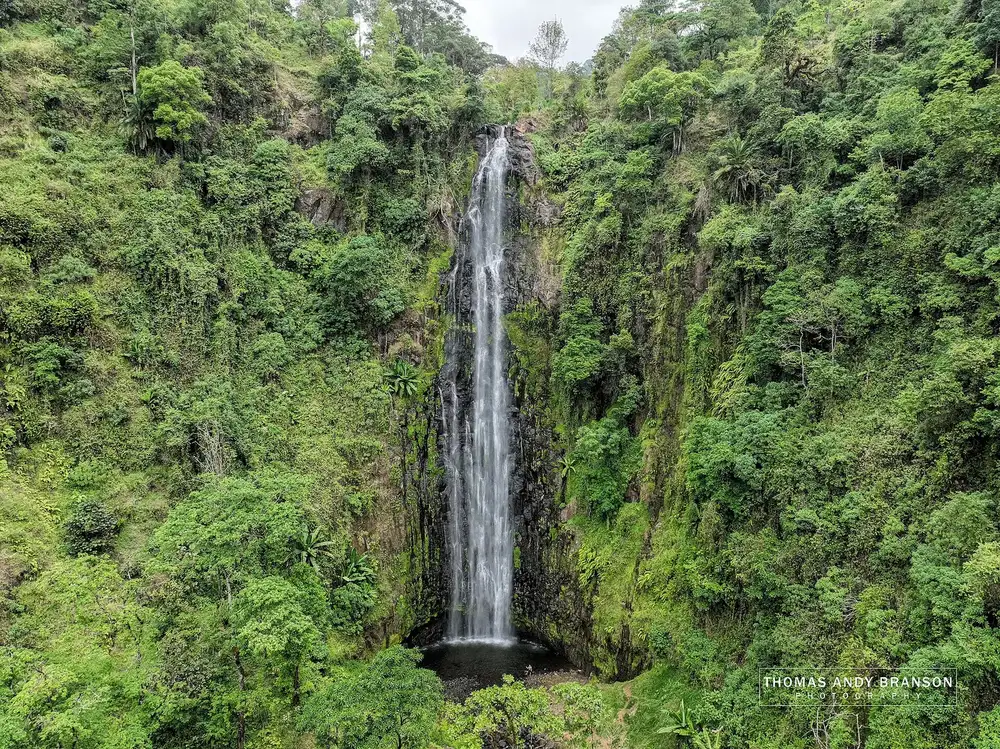
A visit on the lower slopes can include meeting women's groups, visiting the market and a cheese factory, a walk to a waterfall and a traditional Chagga lunch. It combines well with a Kilimanjaro climb or as a stop on the way to the safari parks.


Highlights
- Farm and village visit
- Traditional Chagga lunch
- Waterfall walk
- Market and local women's groups

Farming on the mountain
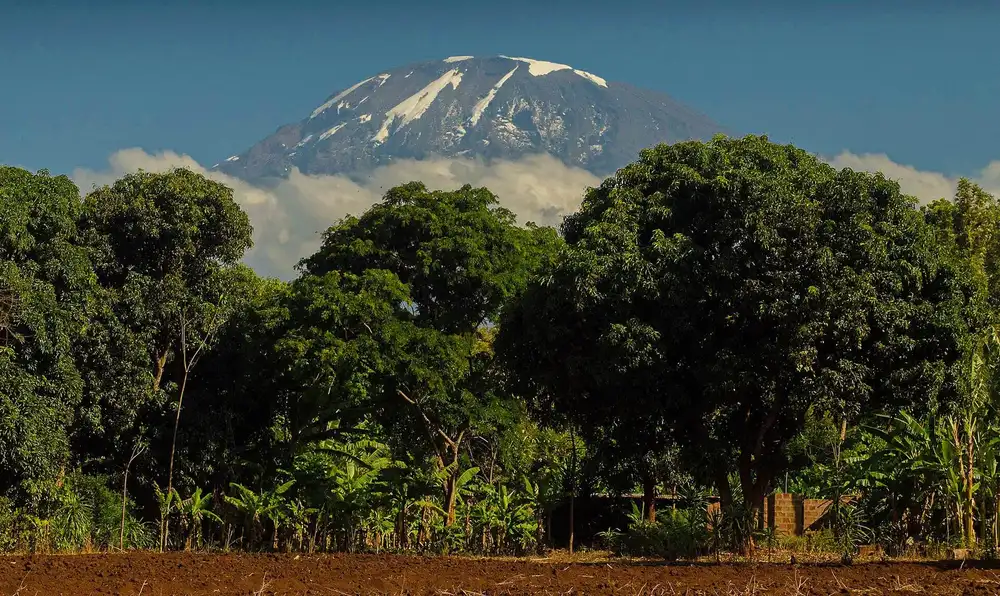
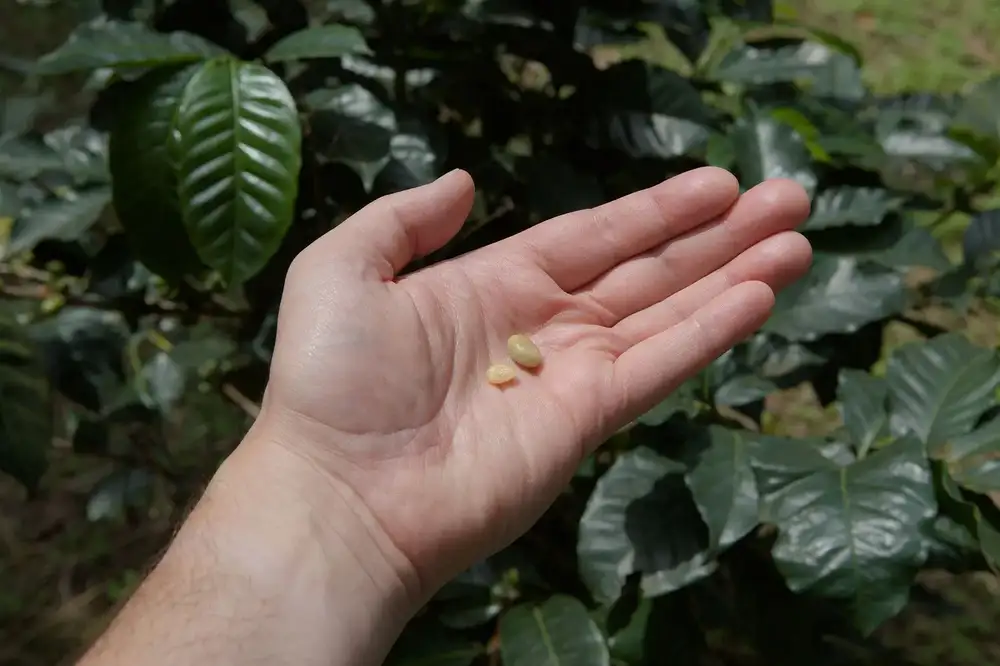
The Chagga have farmed the southern and eastern slopes of Kilimanjaro for centuries. Their traditional home gardens mix bananas, coffee, beans, vegetables and fruit trees in layers, an efficient system that still feeds many families today. The fertile volcanic soil and regular rainfall on the slopes make farming productive, and the green landscape is a striking contrast to the dry plains below. Walking through the home gardens, with bananas overhead and coffee bushes in the shade, is a pleasant and educational experience in its own right.
Water channels carry streams from high on the mountain to the farms below. Some of these channels are very old, and they are still maintained by the community. Your guide can explain how the water is shared between families and how the channels have been kept in use for generations. Along the way you may also visit a small waterfall, a traditional blacksmith or a local workshop where tools and crafts are made.
History and the Chagga caves
Near Marangu, visitors can see underground tunnels dug by the Chagga in the past to hide their families and cattle during raids. A local guide explains how they were built and used. The caves are narrow and low, so the visit can involve crouching and walking in the dark, but it gives a vivid sense of how people protected themselves in the past. Visitors who prefer not to go inside can still learn about the history from the entrance and from the guide's stories.
Chagga chiefdoms once governed the mountain slopes, and their history, songs and stories are still told. A visit gives a good sense of how the mountain has shaped the people who live on it. Many Chagga today are farmers, traders, teachers and professionals, and the community has played an important role in the history and development of Tanzania. Visiting their villages helps you understand how life on the mountain has changed and what remains of the old ways.
Food and banana beer
A traditional Chagga meal often includes bananas cooked in many ways, from stews with meat or beans to roasted plantain. Lunch is usually served at a family home or a small local restaurant. Lunch is often prepared with ingredients from the family garden, and you may help with the cooking or learn how traditional dishes are made. Vegetarian options are easy to arrange, as many traditional dishes are based on bananas, beans and vegetables.
Mbege, a traditional beer brewed from bananas and millet, plays a part in Chagga celebrations and gatherings. You may be offered a taste on your visit. The beer is made in small batches, often by women, and is usually shared from a common cup as a sign of friendship. If you prefer not to drink alcohol, simply say so politely; there is no pressure, and coffee or tea is always offered.
Tell us about your trip
Share your dates, interests and budget, and we will reply with a plan built around you.
Plan your safari