



Cultural Experiences
Meet local communities and learn how people live in northern Tanzania.
Meet Maasai, Chagga, Meru and Hadzabe communities, visit markets and farms and add culture to your Tanzania safari.
Overview
Tanzania is more than wildlife. Northern Tanzania is home to many peoples, each with their own language, food and traditions, and a visit can turn a safari into a richer trip.
Our itineraries can include a Maasai village visit, a Chagga lunch on the slopes of Kilimanjaro, a coffee tour, a Meru culture day near Arusha, or time with the Hadzabe at Lake Eyasi. We keep visits small, respectful and arranged with the community.


Highlights
- Maasai village visit
- Chagga culture on the slopes of Kilimanjaro
- Coffee from harvest to cup
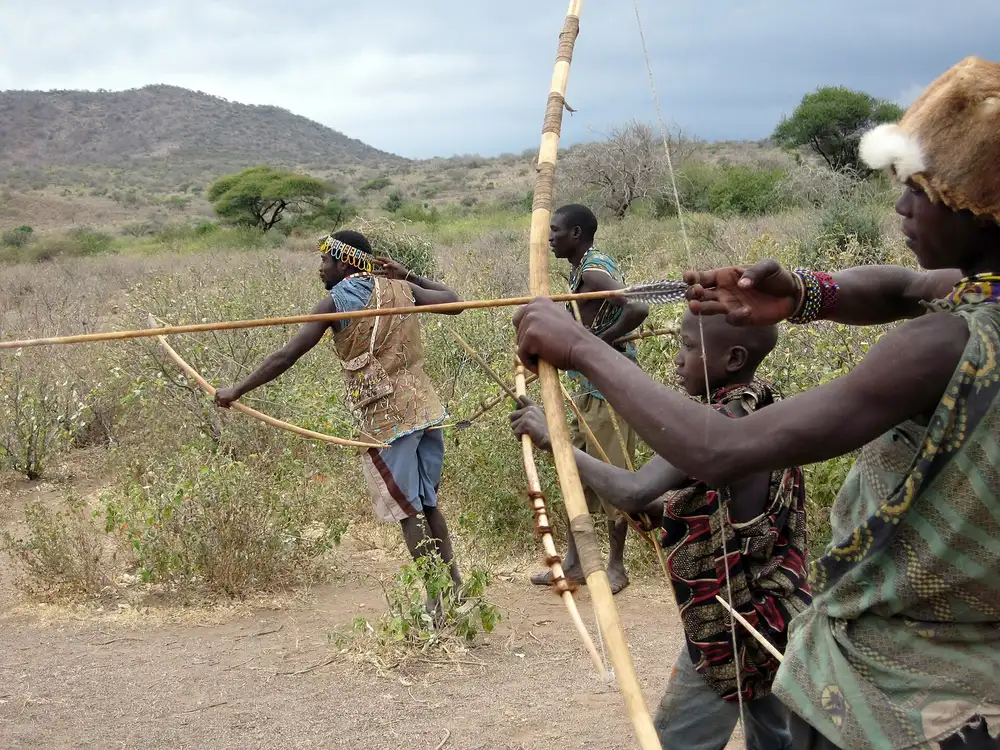
- Time with Hadzabe hunters at Lake Eyasi
- Arusha city tour, markets and cooking class

The peoples of northern Tanzania
Tanzania is home to more than a hundred ethnic groups, and northern Tanzania alone has a remarkable mix: Maasai herders on the plains, Chagga and Meru farmers on the mountain slopes, Iraqw farmers in the Karatu highlands, Datoga pastoralists and Hadzabe hunter-gatherers around Lake Eyasi. These communities have adapted to very different landscapes, from the dry plains to the cool, fertile highlands and the shores of the Rift Valley lakes. Their ways of life reflect that, from herding and farming to hunting and gathering, and many families today combine traditional ways with school, trade and work in towns.
Swahili connects them all as a shared language, but each community keeps its own language, food, music and customs. Meeting people is often what travellers remember most after a safari. A visit is a chance to listen and ask questions, not just to look. Guides from the community explain daily life, history and change, and many visitors leave with a better understanding of the challenges and hopes of the people they meet, as well as memories of songs, food and conversation.
Visiting respectfully
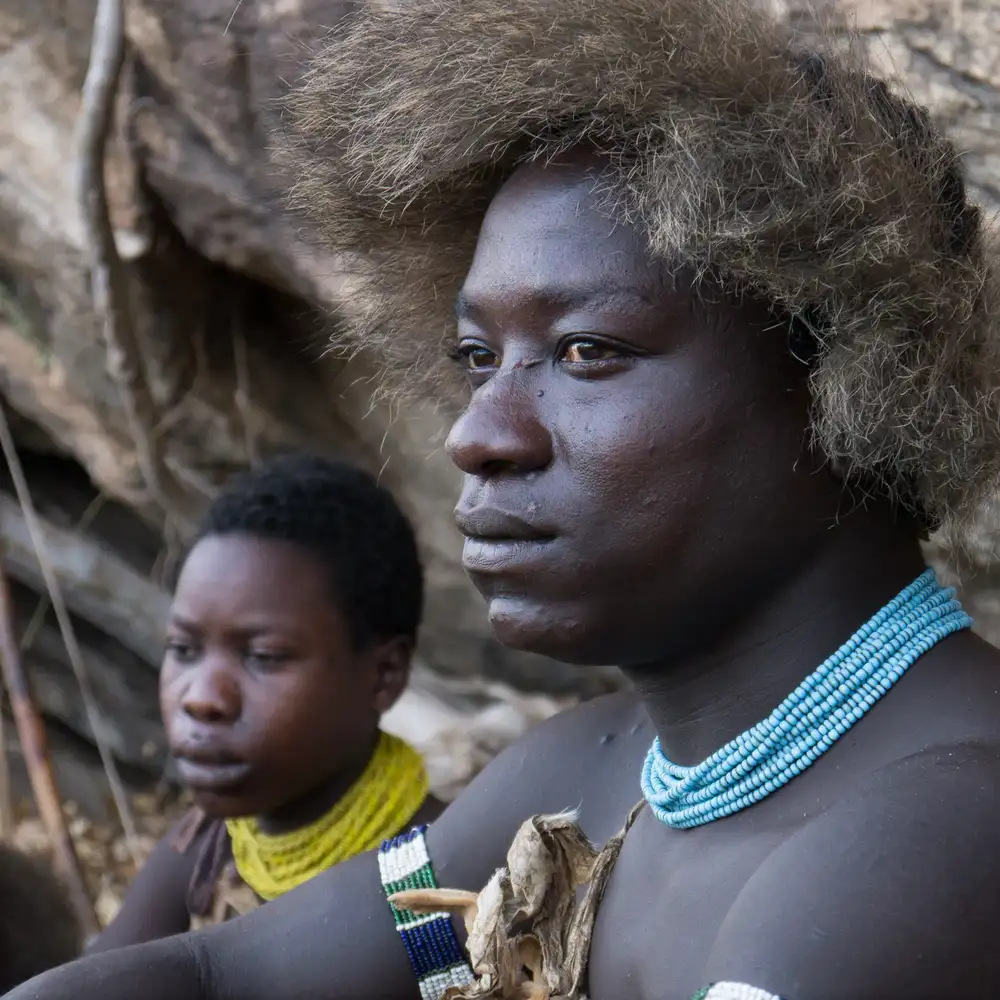
Always ask before taking photographs of people, and follow your guide's advice on greetings and behaviour. Modest clothing is appreciated in villages, especially on the coast and in Muslim communities. A few words of Swahili, a handshake and a smile go a long way. Elders are shown particular respect, so greet them first, and accept food or drink with your right hand. If you are unsure about anything, ask your guide quietly, who will be happy to explain.
Buying crafts directly from the people who make them, such as beadwork, carvings or baskets, is a good way to support a community. Your guide can tell you what a fair price is. Visits that are arranged with the community, with fees going to local projects or families, help to make tourism fair. We choose visits where the community decides what it wants to share, and we keep groups small so that the experience feels like a genuine meeting rather than a show.
Fitting culture into your safari
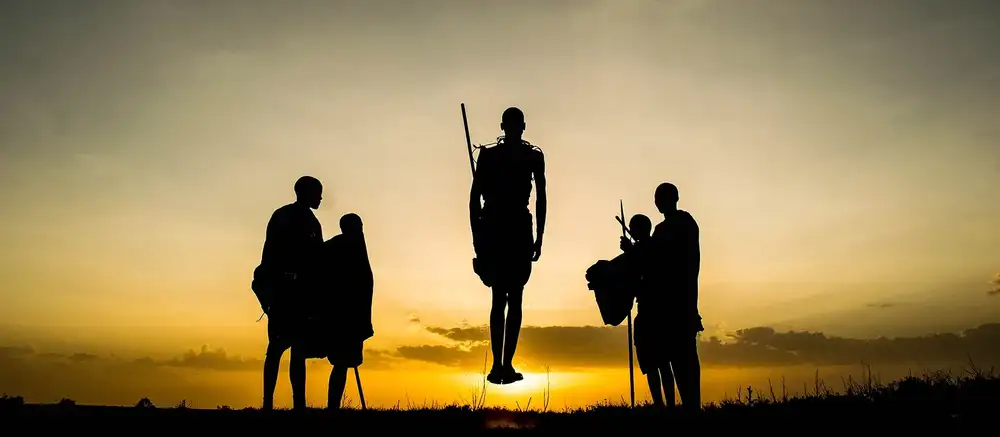
Many cultural visits lie on the way between the parks. Mto wa Mbu, a busy village near Lake Manyara, is a good stop for a walk through banana plantations and a lunch of local food. Karatu and the Lake Eyasi area are close to the Ngorongoro Crater. A visit to the Hadzabe or Datoga near Lake Eyasi usually means an early start and a night nearby, so it works best as an extra day in a longer safari. Visits to Maasai communities can be arranged near Arusha or in the Ngorongoro highlands, often on the same day as a game drive.
Arusha and Moshi are good bases for a half-day visit before or after the safari, such as a coffee tour, a market visit or a cooking class. Short visits are also possible on the first or last day of a trip, when there is time before or after the flight. Tell us which communities interest you and how much time you have, and we will suggest the visits that fit your route best.
Tell us about your trip
Share your dates, interests and budget, and we will reply with a plan built around you.
Plan your safari